I Paid for an Audit and the Agency Vanished: How to Spot Report-and-Run Answer Engine Optimization

Report-and-run Answer Engine Optimization describes a specific agency failure pattern: a diagnostic report is delivered, payment is collected, and no structural work is ever performed on the business's AI-readable infrastructure.

The report itself — typically 40 to 60 pages — documents visibility gaps. It does not close them. Closing them requires schema implementation, entity signal validation, semantic content architecture, and ongoing AEO content execution that compounds over time. A PDF does none of that.

The Federal Trade Commission has warned business owners about B2B scams involving automated optimization audits that demand upfront payment and deliver zero ongoing execution. The FTC has also stated that companies selling AI-related optimization tools must back their claims with verifiable, scientific evidence. Report-and-run engagements operate in exactly that gap.

Conversational AI engines — ChatGPT, Gemini, Grok — do not recommend businesses because an agency filed a report about them. They recommend businesses because verified entity signals, structured data, and authoritative content have been built and maintained over time. McKinsey research found that 53% of organizations experienced digital trust breaches, which is why these engines require deep, verifiable infrastructure before surfacing any name in a response.

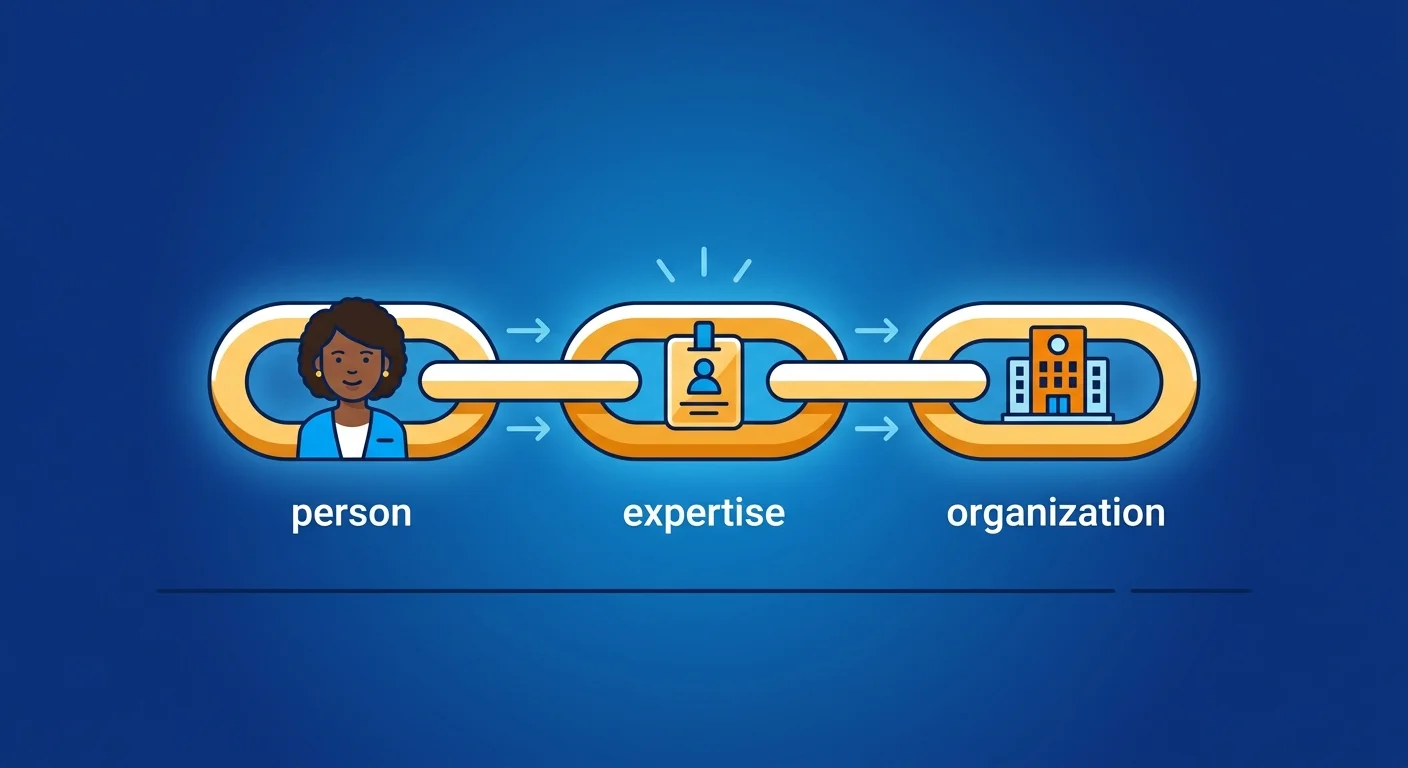
Five observable signals separate a report-and-run engagement from a real authority infrastructure build: The Deliverable Swap, The Execution Void, The Vanishing Timeline, The Unverifiable Claim, and The Infrastructure Gap. Each is a specific, documentable behavior. Identifying them before signing an agreement allows any business owner to qualify an agency on evidence rather than on the production quality of their slide deck.

Last Updated: July 15, 2026

What Report-and-Run AEO Actually Means

report and run AEO agency delivering PDF audit then disappearing

Report-and-run Answer Engine Optimization isn't a vague frustration. It's a specific business model. Agency sells a diagnostic, collects payment, produces a report — and disappears before a single structural change has been made to your AI-readable infrastructure.

That one distinction changes every agency conversation you'll ever have. A burned practitioner says 'I paid for an audit and nothing happened.' An informed buyer says 'show me the execution plan — not the PDF.'

The FTC warns that B2B scams in the optimization space follow a consistent structure: upfront payment, automated reporting, zero ongoing execution. Report-and-run AEO fits that pattern exactly. The report is the product. The moment it's delivered, the agency's obligation ends — and you're left holding a document and an infrastructure that still can't be read by a single AI engine.

The Anatomy of a Passive Report Collector

Here's the thing: a passive report collector looks completely legitimate. The deck is polished. The findings are real. The recommendations are technically accurate. None of that tells you whether the agency intends to build anything.

And this is exactly what published analysis documents: static diagnostic reporting gets substituted for compounding execution. The agency produces a deliverable. The client assumes work has begun. Both parties are operating from completely different definitions of what was purchased. Only one of them knows it.

A diagnostic snapshot can be genuinely useful. But useful only if execution follows. The practices that turn a snapshot into a working authority build are the ones compounding AI visibility month over month. The ones that file the report and wait are just paying for the feeling of progress.

Why the PDF Feels Like Progress (But Isn't)

A well-designed PDF is built to feel like progress. Executive summary up front. Color-coded severity ratings. A detailed breakdown of everything broken. Scroll through it and your brain registers a problem being solved. It isn't. That feeling is the product. The agency designed the entire experience to manufacture it.

Conversational AI engines don't read PDFs. They read structured data, entity signals, and validated content architecture. The report documents the gap. It doesn't close it. And closing it is the only thing that actually matters.

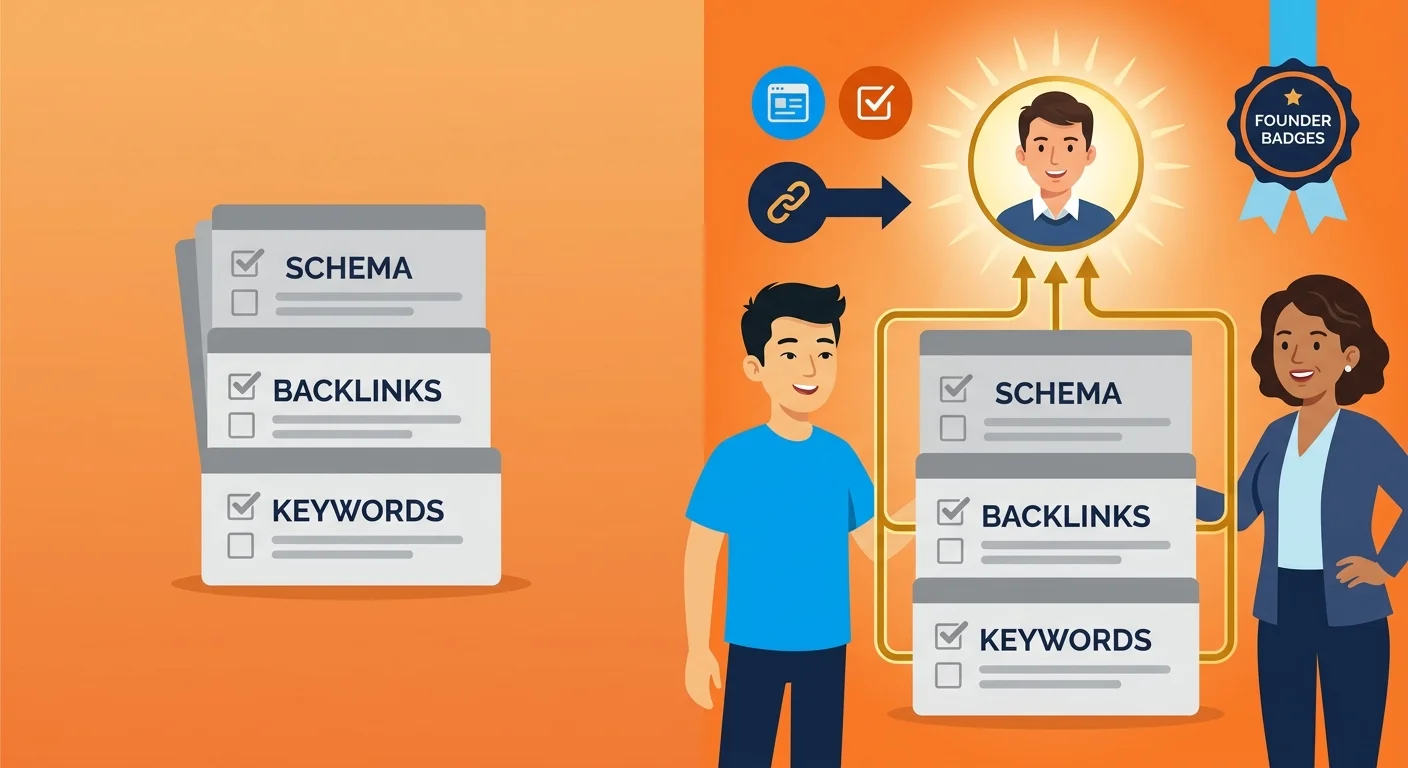
The PDF is a prop. It looks like work. It feels like a deliverable. And the agency handing it to you knows that feeling buys them an exit. At iTech Valet, the diagnostic is the starting line — not the finish line. What gets built after the snapshot is taken is the only thing that moves the needle.

Agency ModelWhat Gets DeliveredWhat Gets ExecutedAI Visibility Outcome
Report-and-Run ModelPolished diagnostic PDF with findings and recommendationsNothing — report is the final deliverableNo change — AI engines see the same unverified, unstructured entity as before
The Deliverable SwapAudit document positioned as the strategyRecommendations remain unbuilt — no schema, no entity signals, no content architecturePractice stays invisible — conversational AI has no verified signals to trust
The Execution VoidDetailed gap analysis and priority listZero structural implementation follows the reportAI engines can't recommend what they can't verify — visibility gap widens over time
The Vanishing TimelineOne-time engagement with no defined ongoing execution phaseAgency exits after delivery — no compounding labor, no iterationAuthority decays without ongoing execution — competitors who keep building compound past you
The Unverifiable ClaimAgency asserts AI citations are improving based on proprietary trackingNo independently verifiable output — no structural changes to confirmClaims of progress can't be tested — practice has no way to validate what AI actually says about them
Authority Infrastructure BuildDiagnostic snapshot used as a starting line, not a finish lineFull execution: schema implementation, entity validation, semantic content architecture, ongoing AEO contentAI engines surface verified entity signals — practice becomes the recommended answer over time
static audit versus compounding AEO infrastructure and AI recommendation outcome

The audit-only model doesn't fail because the findings are wrong.

It fails because a document cannot execute. And execution is the only thing conversational AI engines respond to.

ChatGPT, Gemini, and Grok aren't reading your diagnostic report. They're reading your entity signals, your structured schema, and the validated content architecture you've built over time.

The PDF lives in a folder on someone's desktop. The machine never sees it.

That's the core failure of the report-and-run model. It delivers a picture of the problem and calls that the solution.

The gap between documentation and infrastructure is the gap between invisibility and being recommended.

What Conversational AI Actually Needs to Recommend a Business

Conversational AI engines make one recommendation. Not a ranked list. A verdict.

And that verdict is built on verifiable entity infrastructure — not on an agency's summary of what's missing.

McKinsey research found that 53% of organizations experienced digital trust breaches — which is exactly why these engines are built skeptical. They require verified entity signals before they'll put a name in the answer.

A polished audit report generates none of those signals. It never could.

Most practitioners who've been through a report-and-run engagement end up trying to turn a 50-page PDF into an action plan on their own.

Even a solid decision framework for evaluating next steps only creates clarity — it doesn't build the machine-readable infrastructure that AI engines require to trust a practice. Clarity without execution is just an organized version of stuck.

Why Static Reports Cannot Build Machine-Readable Authority

A static report is a snapshot. Snapshots don't compound.

And in the AI authority space, compounding is the entire game.

The FTC has made clear that companies selling AI-related optimization tools must back their claims with verifiable, scientific evidence. That standard exists because the market is flooded with agencies producing documentation of AI readiness without ever building it.

The report looks like verification. It isn't.

This published analysis confirms that automated algorithm systems increasingly prioritize verified structured data over standard, un-indexed textual claims. Structured schema data acts as an authority signal.

A PDF documenting the absence of that schema doesn't create the signal. It names the void. There's a difference.

The Structural Bias Toward Verified Entity Signals

Here's what makes the report-and-run model so effective as a sales prop: the findings are usually accurate. The audit identifies real gaps. The recommendations are technically sound.

None of that matters if no one builds what the report prescribed.

Conversational AI engines show a structural bias toward validated entity graphs. The machine is looking for corroboration across multiple verified data points — schema, citations, structured content, entity consistency — before it decides whose name to say.

A report can document every one of those gaps at once. It can't close a single one.

The prop is convincing because it looks like infrastructure. Same vocabulary. Same frameworks. Same confident section headers.

But vocabulary and execution aren't the same thing. The practice that trades the PDF for an actual authority infrastructure rebuild is the one conversational engines learn to trust — and eventually recommend.

Authority Signal TypeWhat a PDF Audit TouchesWhat Compounding Execution BuildsImpact on AI Recommendation
Schema & Structured DataDocuments missing or broken schema tagsImplements, validates, and maintains schema markup that AI engines can parse and trustVerified schema acts as a direct authority signal — the machine reads it, not a human
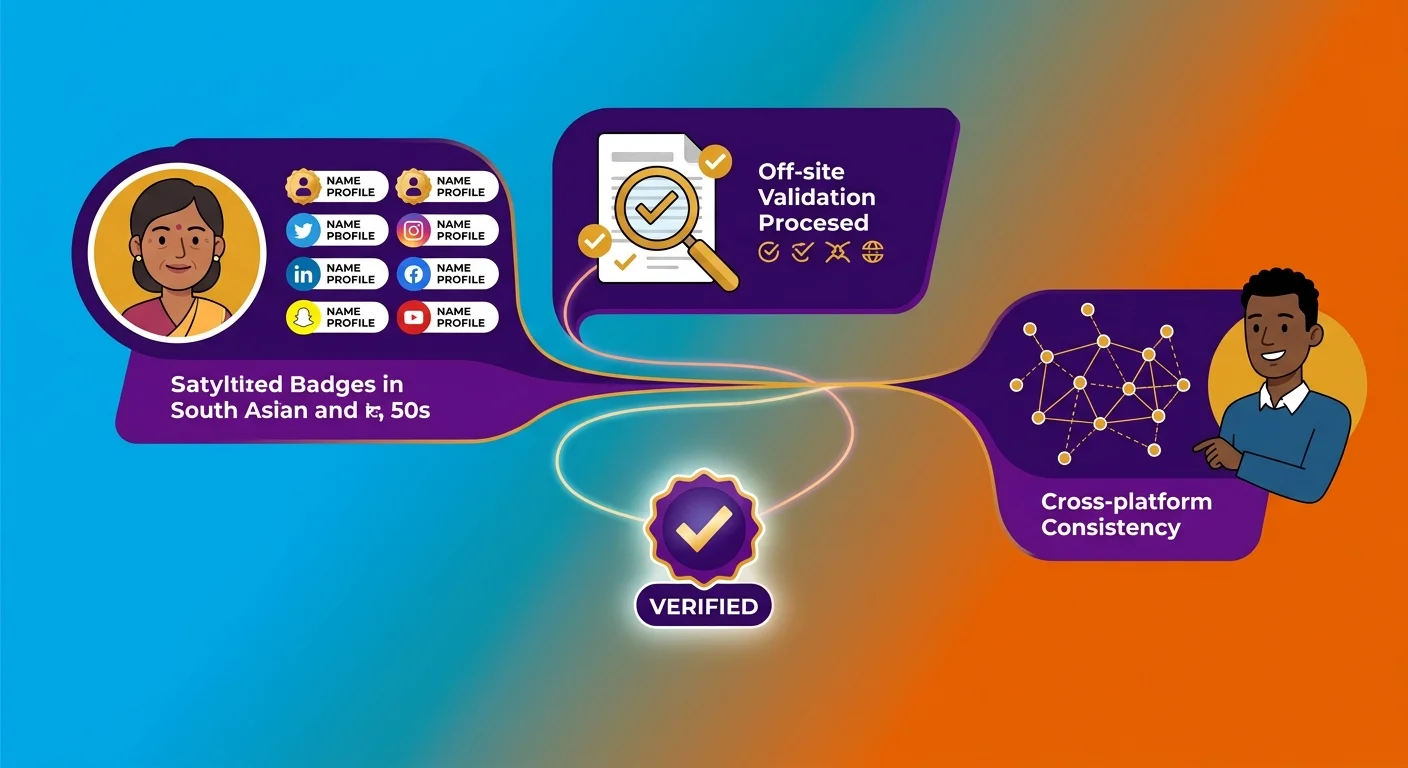
Entity Signal ConsistencyIdentifies inconsistencies across directories and listingsRebuilds and synchronizes entity signals across every platform AI engines reference for corroborationConsistent entity graphs are what conversational engines use to confirm a practice is real and trustworthy
Semantic Content ArchitectureFlags content gaps and topic coverage weaknessesBuilds a compounding library of AEO content that validates topical authority over timeAI engines reward practices whose content architecture demonstrates deep, sustained expertise — not a one-time document
Citation VelocityNotes that the practice lacks third-party citations and mentionsExecutes ongoing AEO content and authority-building that generates real citations across indexed sourcesCitation velocity signals growing trust — a PDF generates zero new citations after it's delivered
AI-Readable InfrastructurePhotographs the gap between current state and machine-readable standardsCloses the gap through structural execution: schema, entity validation, semantic density, and content compoundingConversational AI produces a single recommendation — only verified, built infrastructure earns that verdict

The Red Flags That Signal a Report-and-Run Agency

five red flag signals identifying a report and run AEO agency

The difference between a report-and-run agency and a real execution partner isn't subtle. It's visible. And the signals show up before you sign — not after the PDF lands in your inbox.

The FTC explicitly warns that B2B scams in the optimization space follow a consistent pattern: upfront payment, automated reporting, and zero ongoing execution. Report-and-run AEO fits that pattern precisely. Knowing the signals in advance means you can disqualify an agency on behavior — not on how polished their slide deck looks.

There are five observable signals. Each one maps to a specific behavior pattern. None of them require guesswork — they show up in the agency conversation if you know what to look for.

Signal 1: The Deliverable Swap

The Deliverable Swap happens when the report gets positioned as the outcome. The agency frames the diagnostic as the service itself. Delivery of the PDF is treated as project completion.

Here's what that looks like in practice: the agency's proposal defines scope as an audit and recommendations report. Not implementation. Not execution. The document itself is the deliverable. Once it's handed over, the engagement is technically complete — and the agency walks.

Ask any agency you're evaluating to show you the execution plan that follows the diagnostic. Not the report template. The post-diagnostic build plan — what gets implemented, in what sequence, by whom. If that document doesn't exist, you're already looking at the Deliverable Swap.

Signal 2: The Execution Void

The Execution Void is what lives on the other side of the Deliverable Swap. The report is done. The recommendations are technically accurate. And nothing gets built.

A Gartner survey found that 71% of marketing leaders report lacking the budget to fully execute their digital strategy. That budget gap is exactly what report-and-run agencies exploit. They sell a diagnostic that costs a fraction of a full infrastructure build and position it as equivalent value. It isn't.

A real execution partner can walk you through what the first 30 days of active engagement actually look like — specific structural changes, in sequence, starting immediately. A report-and-run agency can't do that. Because the report is all there is. There's no execution plan to describe.

Signal 3: The Vanishing Timeline

The Vanishing Timeline shows up as vagueness about when anything actually happens. Real execution has a sequence: entity signals validated, schema implemented, AEO content architecture built, authority compounding month over month. That sequence has phases. It has dates. Agencies without execution plans have neither.

If an agency can't tell you what changes in the first week of active engagement — not what the report contains, but what gets built — that vagueness isn't accidental. There's no timeline because there's no execution planned. The PDF is the plan.

Signal 4: The Unverifiable Claim

The Unverifiable Claim is the most dangerous signal because it sounds the most credible. The agency tells you their process "improves AI visibility" or "boosts AI recommendations." Those phrases are unverifiable by design. That's the point.

The FTC has made clear that companies selling AI-related optimization tools must back their claims with verifiable, scientific evidence — not marketing language. That standard exists precisely because the market is full of agencies that sell documented AI readiness without ever building it. The vocabulary of authority isn't the same as authority.

Ask for the verification methodology. Not the claim — the mechanism. How does the agency confirm that entity signals are being read by conversational AI engines? If the answer is another report, you've found the Unverifiable Claim. The AI Visibility Check shows you exactly what ChatGPT, Gemini, and Grok say about your practice right now — before anyone sells you anything.

Signal 5: The Infrastructure Gap

The Infrastructure Gap is the signal that makes all the others possible. A report-and-run agency sells a diagnostic without the capacity — or the intention — to build what that diagnostic prescribes. The gap between documentation and actual authority infrastructure is the gap between invisibility and being recommended. Those aren't degrees of the same outcome. They're opposite ones.

Conversational AI engines don't respond to documented gaps. They respond to closed ones. If an agency's offering ends at identifying what's broken — and doesn't include building the machine-readable authority infrastructure that replaces it — the report is just a prop. And you already know how that story ends.

Red Flag SignalWhat the Agency SaysWhat Actually HappensRisk to AI Visibility
The Deliverable Swap"We'll deliver a comprehensive audit and recommendations report."The PDF is handed over and the engagement is declared complete — no implementation, no build, no follow-through.Entity signals remain unclosed. Conversational AI engines continue to find no verifiable infrastructure to trust.
The Execution Void"Our report gives you everything you need to move forward."The recommendations are technically accurate but no one builds what the report prescribes — the diagnostic substitutes for the work itself.The gap between documentation and authority infrastructure stays open. Invisible practices stay invisible.
The Vanishing Timeline"We'll get started right away and keep you updated on progress."No sequenced build plan exists — no phases, no dates, no defined deliverables beyond the report itself.Authority compounding never begins. Competitors who are executing gain ground every week the timeline stays vague.
The Unverifiable Claim"Our process improves AI visibility and boosts your AI recommendations."No verification methodology exists — the claim is marketing language with no mechanism to confirm that any conversational AI engine was influenced.Practices pay for outcomes that can't be measured, confirmed, or built upon. The claim disappears with the agency.
The Infrastructure Gap"The audit identifies every structural issue your practice needs to fix."The agency has no capacity — or intention — to build the machine-readable authority infrastructure the diagnostic prescribes.Documented gaps are not closed gaps. Conversational AI engines don't respond to a list of what's broken — they respond to what's been built.

What Legitimate AEO Execution Actually Looks Like

legitimate AEO execution phases building AI authority infrastructure layer by layer

Knowing what to avoid is half the job. But you still need to recognize real execution when it's in front of you — because it looks nothing like what most agencies are selling.

Real execution is a rebuild. It's the structured, sequential work of making your practice machine-readable — entity signals validated, schema implemented, AEO content architecture built and compounding month over month. Not a document. A build.

McKinsey research found that 53% of organizations experienced digital trust breaches. That number explains exactly why conversational AI engines are skeptical by design. They require verifiable entity infrastructure before they'll put your name in an answer. That infrastructure doesn't come from a document. It comes from doing the build.

The Difference Between a Diagnosis and a Rebuild

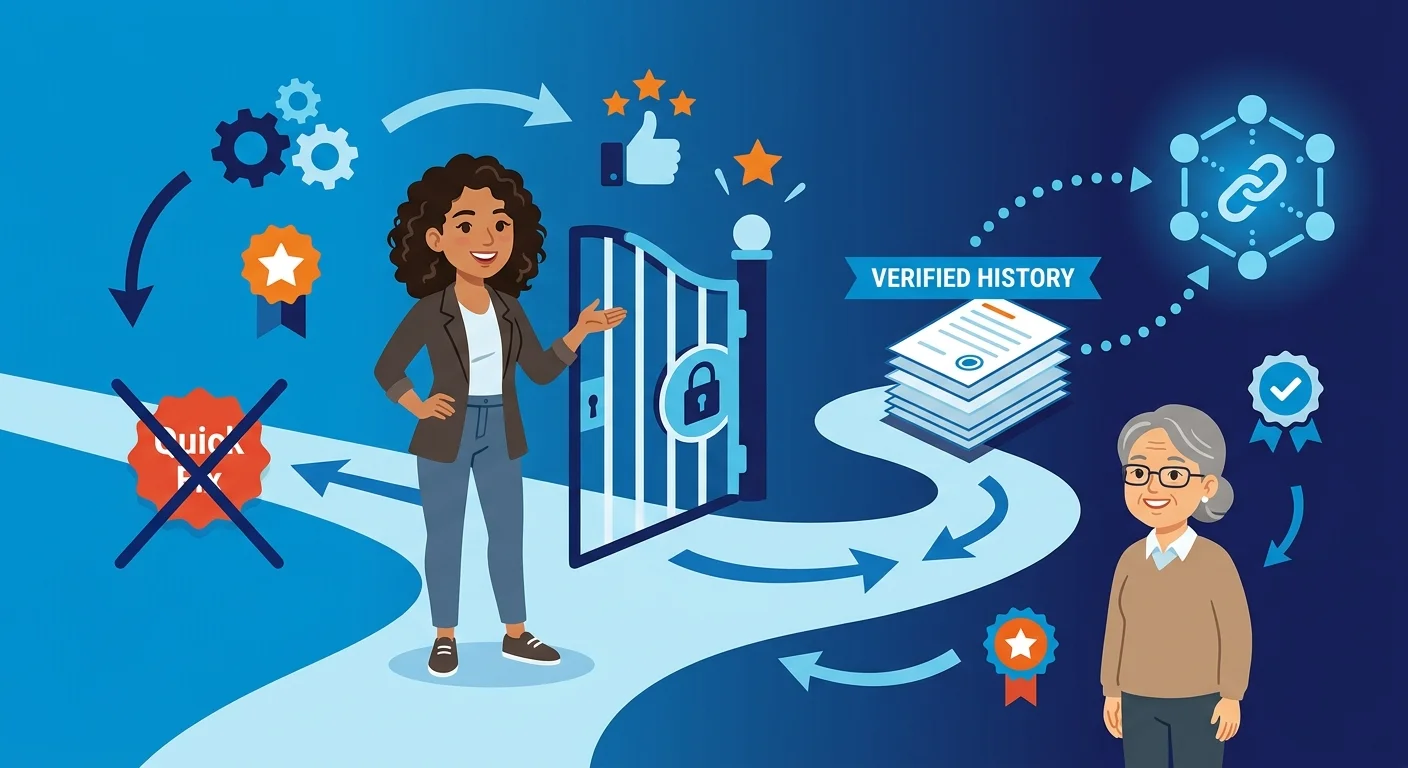
A diagnosis tells you what's broken. A rebuild closes the gap. Those aren't two stages of the same service — they're two completely different products. Most report-and-run agencies only sell one of them.

Here's the thing: agency-client breakdowns happen most often when static diagnostic reporting gets substituted for actual compounding labor. The information asymmetry is real. The agency knows the report won't build anything. The client doesn't find out until the engagement is over and nothing has changed.

Legitimate execution closes that gap entirely. A real partner can show you — in specific, operational terms — what changed in your entity signals, what schema was implemented, what AEO content was produced this month. If none of those outputs exist, the rebuild never started. And anyone who tells you this kind of authority work is something you can tackle yourself hasn't done it.

Who This Level of Execution Is Not For

This level of execution isn't for everyone. That's not a disclaimer — it's a qualification. The practices that get the most out of a full authority infrastructure rebuild accept one thing up front: authority compounds, and you have to let it.

If you need measurable ROI in 90 days or you're walking — this isn't your model. If you're shopping on price and hoping a report will somehow do the work — this isn't your model either. Report-and-run agencies will be happy to take that call.

But if you're tired of paying for PDFs that sit in a folder while a competitor gets named by ChatGPT, Gemini, and Grok — you already know the problem. The only question is whether you're ready to stop diagnosing it and start closing it.

What the First 30 Days of Real Execution Includes

The first 30 days after you sign with a legitimate execution partner look nothing like a report handoff. There's no PDF ceremony. No waiting period while someone compiles findings. The build starts.

Entity signals get audited against what AI engines are actually reading — not what looks good in a spreadsheet. Schema gaps get closed. Not documented. Closed. AEO content architecture gets planned and initial production begins. These are operational outputs. They're verifiable. You can see them.

That's the trade the right client is ready to make — the polished diagnostic report for the thing that actually moves the needle. The PDF is a prop. iTech Valet doesn't sell it. We build the infrastructure that makes conversational engines trust you enough to say your name.

Execution PhaseWhat Gets BuiltTime HorizonAI Visibility Milestone
Entity Signal AuditNAP consistency verified across all directories and citation sources; schema markup gaps identified and closed — not documentedFirst weeks of engagementConversational AI engines begin reading a consistent, verifiable identity signal for your practice
Schema ImplementationStructured data deployed across service pages and content architecture so AI engines can parse what your practice does, where, and for whomEarly engagement phasePractice entity becomes machine-readable; AI engines can cite your services in response to relevant queries
AEO Content ArchitectureAuthority articles planned and produced around the questions conversational AI engines are answering in your market — building semantic density month over monthOngoing monthly executionCitation velocity increases as AI engines accumulate corroborating content signals pointing to your practice
Authority CompoundingEach month of AEO content execution and entity signal reinforcement builds on the last — creating a self-reinforcing trust loop with AI recommendation enginesMid-to-late engagement and beyondPractice moves from occasionally cited to consistently recommended across ChatGPT, Gemini, and Grok
Verification LayerTwo-AI validation confirms entity signals, schema accuracy, and content authority claims are being read correctly — not assumed based on a static reportContinuous throughout engagementEvery output is verifiable; the client can see what changed in their AI visibility — not just what the agency claims changed

Frequently Asked Questions

You've seen the pattern. Now here are the questions practitioners ask before they sign — and the answers that actually matter.

Here's what practitioners ask most. Straight answers only.

Why do traditional agency audits fail to translate into actual conversational AI recommendations?

Traditional audits are built on text. Conversational AI engines are built on verified structure. Those aren't variations of the same thing.

A 50-page PDF can name every gap in your entity signals, your schema, and your AEO content architecture — and still do nothing to close them. Conversational AI engines don't read diagnostic reports. They read structured data, validated entity signals, and machine-readable authority infrastructure. The report isn't the fix. It's the proof that a fix is needed.

The FTC documented this pattern directly: agencies selling automated optimization reports with zero ongoing execution leave clients with findings and no fixes. A report that describes the problem isn't the same as infrastructure that solves it. Those are two different products. Most practitioners don't find out until the agency is already gone.

What are the structural points of failure that automated audit reports completely ignore?

Three layers. Schema implementation. Entity signal validation. AEO content architecture. Those are the structural foundations that determine whether a conversational AI engine trusts your practice enough to say your name. Automated audit reports skip all three.

Here's what a scan actually does: it surfaces documented gaps. It doesn't verify whether your entity data is consistent across the sources AI engines query. It doesn't confirm whether your schema is correctly implemented and being read. It doesn't build the content architecture that gives AI engines something to cite.

That's the infrastructure gap in plain terms. The report names what's missing. It can't close a single one of those gaps — and closing them is the only thing that changes what conversational engines say.

How can a clinic identify a report-and-run agency before signing an agreement?

Before you sign, ask for the post-diagnostic execution plan. Not the report template — the build sequence. What gets implemented, in what order, by whom, and what does the first week of active work actually look like?

If the agency can't answer that in operational terms, you're looking at The Deliverable Swap. The diagnostic is the product. There's nothing behind it.

The FTC warns specifically about B2B service providers who collect upfront payment for automated diagnostics and deliver zero ongoing execution. That warning exists because the pattern is common — not rare. A legitimate execution partner tells you what changes structurally from day one. A report-and-run agency tells you what the report contains. Those are two very different conversations. One of them tells you everything.

Will implementing a full authority infrastructure overhaul disrupt current patient bookings?

No. The build happens at the infrastructure layer — entity signals, schema, and AEO content architecture. None of that touches your booking system, your front desk workflow, or your patient experience.

The concern usually comes from conflating an authority infrastructure rebuild with a disruptive technology rollout. They're not the same thing. What changes is what conversational AI engines read about your practice. What doesn't change is how patients interact with your clinic once they arrive.

The disruption is to your invisibility. Not your operations.

How much ongoing technical execution is required after an initial digital footprint evaluation?

More than a one-time evaluation can deliver. That's the honest answer.

McKinsey research found that 53% of organizations experienced digital trust breaches — which is exactly why conversational AI engines are architecturally skeptical. They need to see consistent, reinforced authority signals over time before they'll put your name in an answer. A single audit followed by silence doesn't produce that.

A legitimate execution partner builds the initial infrastructure, then executes ongoing AEO content architecture that compounds month over month. The evaluation is the starting line. The build is the work. And the work doesn't stop — because authority that isn't maintained decays.

The PDF is a prop. The build is what replaces it.

The Audit Was Never the Answer

The audit was never the answer.

It was always the prop.

A polished PDF is the oldest sleight-of-hand in agency sales. It looks like work. It feels like progress. But it does exactly nothing to change what ChatGPT, Gemini, or Grok says about your practice. The report-and-run model survives because most practitioners don't realize the gap until the agency is already gone — and by then, the invoice is paid and the phone still isn't ringing.

That's the trade the wrong agency offers every time: documentation in exchange for your budget, and silence in exchange for your trust.

Conversational AI doesn't read your report. It reads your infrastructure — validated entity signals, implemented schema, AEO content compounding month over month.

That's not a diagnostic finding. That's a build.

And the build is the only thing separating the practices getting named from the ones watching a competitor collect every recommendation.

The Deliverable Swap. The Execution Void. The Vanishing Timeline. The Unverifiable Claim. The Infrastructure Gap. Five signals. One root cause: a model that ends at the report and never starts the rebuild.

You don't need another document to confirm the problem exists. You need someone who builds instead of bills.

The only move that changes what AI says is closing the gap — not documenting it. The PDF is a prop.

You already know the PDF wasn't enough. The real question is what ChatGPT, Gemini, and Grok say about your practice right now — and whether the name in that answer is yours or a competitor's.

Run My AI Visibility Check

621 Enterprises, Inc. | Copyright 2026 | All rights reserved