
The AI Authority Library
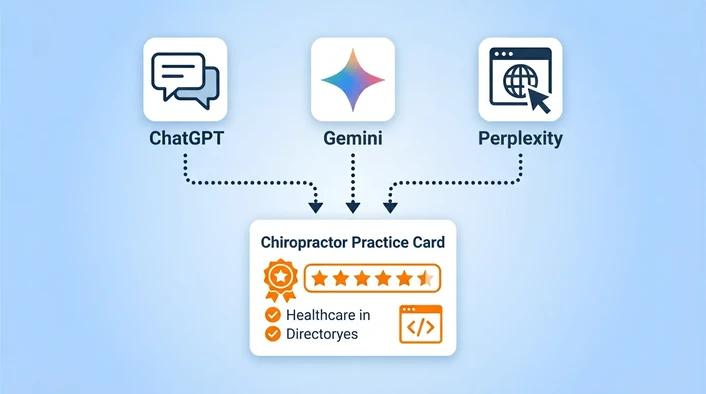
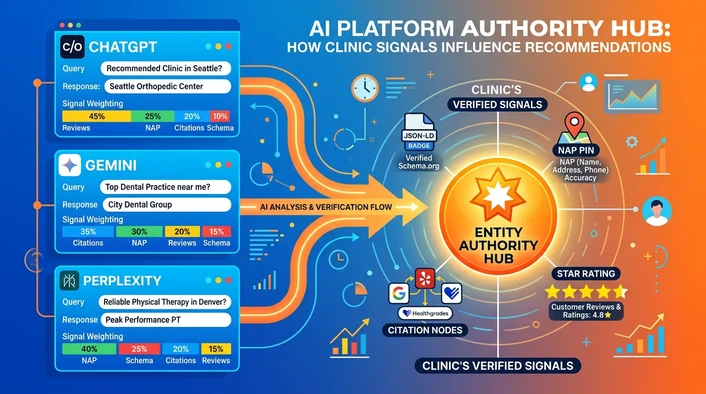
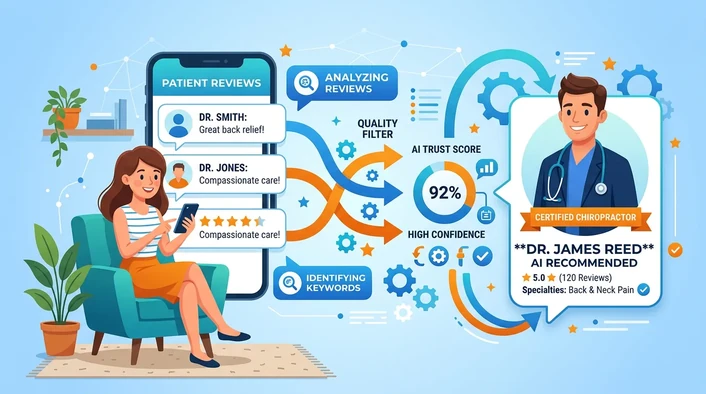
The iTech Valet Authority Library is a curated collection of research and guides on Answer Engine Optimization and AI visibility infrastructure for service-based businesses. Every article is built using iTech Valet's proprietary two-AI content validation system — one engine builds, another audits — engineered to help AI engines like ChatGPT, Gemini, and Grok recognize and recommend your practice.
Start Here
These five articles cover the foundation of AI visibility — how patients use AI to find providers, what AI engines actually evaluate, and why most practices are invisible to the systems replacing traditional search.
AI Visibility & Infrastructure
The data layers and entity signals that determine whether AI engines can read, trust, and verify your practice.
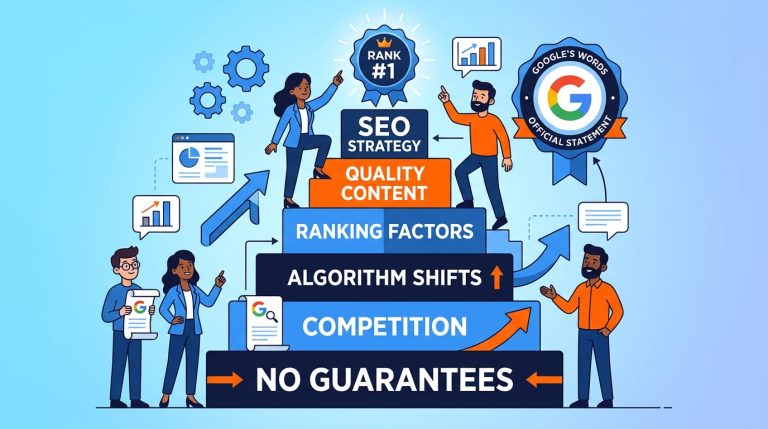
What a Full-Stack Authority Engine Is Not: Limits Set by Google, the FTC and HIPAA
November 20, 2026 What an authority engine can't promise: Google says no one can guarantee a #1 ranking, the FTC sets rules on claims and reviews, and HIPAA governs practice marketing. Read More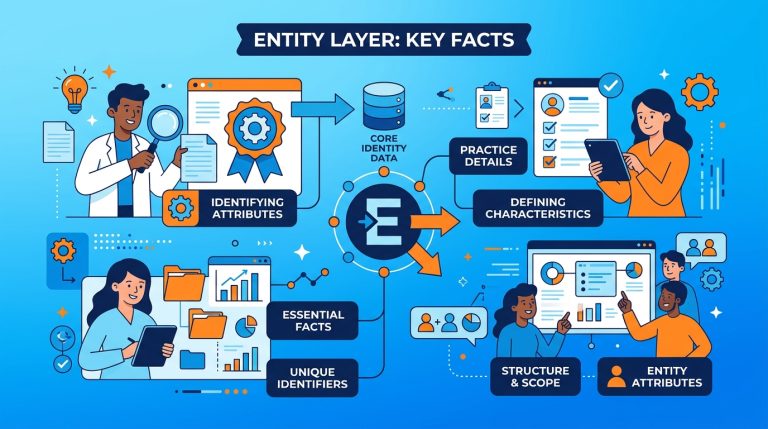
How Entity Data, Schema and Content Work Together in One Build
November 20, 2026 See how entity data, schema markup and page content connect in one build, what Google says about each layer, and where the links between them break. Read MoreAEO Content Strategy
How high-density, five-layer intent content gets cited by answer engines as the final authority on a topic.
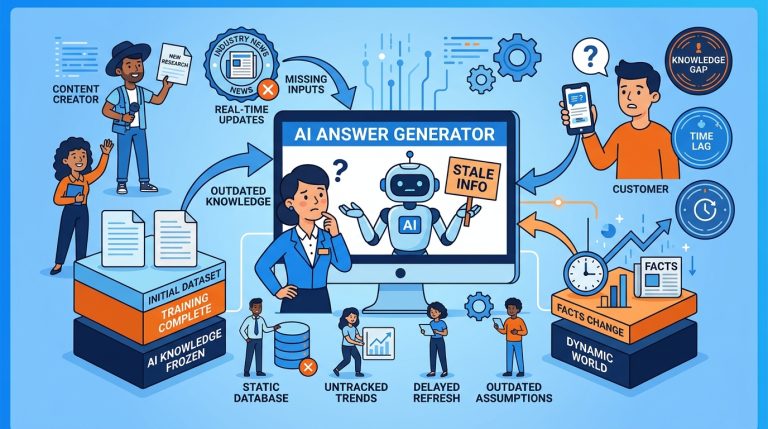
What Happens If Monthly Content Publishing Stops After Setup?
November 20, 2026 One blog's decaying pages lost 1.21% of organic site visits a week, AI-cited URLs run 25.7% fresher than organic results, and Business Profile posts fade in about seven days. Read More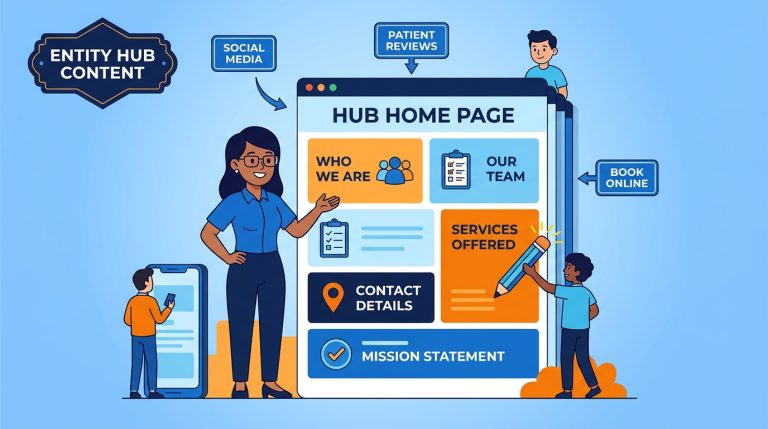
Entity Hubs vs. Monthly Content: Where One Ends, the Next Begins
November 20, 2026 Where the entity hub ends and monthly content begins: what Google says to put on one page, what local AI answers draw on, and how often to update. Read More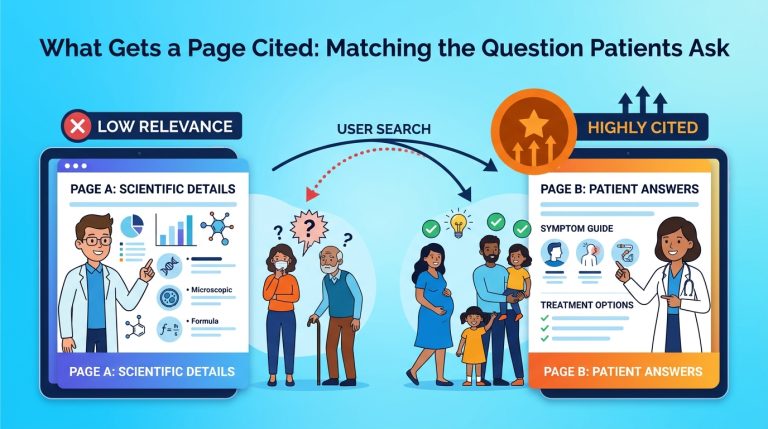
What Topics Should Monthly Content Actually Cover?
November 20, 2026 What should a chiropractic practice write each month? See which content types AI cites by intent, which back pain topics matter, and the accuracy bar. Read MoreThe Competitive Landscape
How AI evaluates your competitors and what closes the recommendation gap.
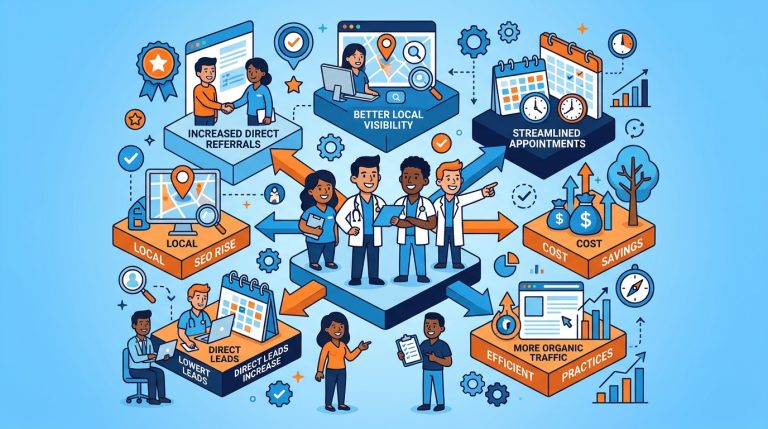
One Installed System vs. Separate Tools for Listings and Content
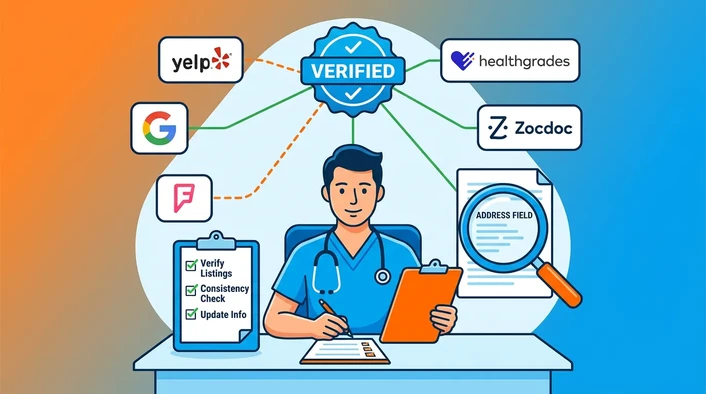
November 20, 2026 One chiropractic case study found 60% of Yext-synced listings vanished or went wrong after cancelling. See what the data says about listing tools and tool stacks. Read More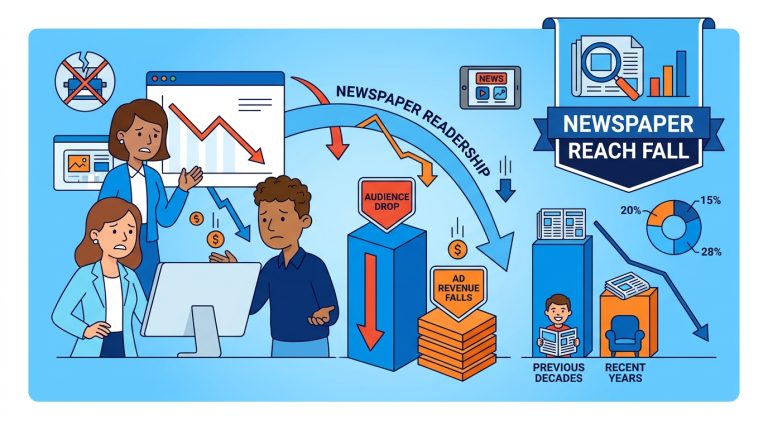
Newspaper Ads vs. AI Recommendations: Where New Patients Actually Come From
November 18, 2026 Weekday circulation at locally focused U.S. dailies is down 40% since 2015. Among patients who switched providers, AI's influence reached 39%. See the numbers. Read More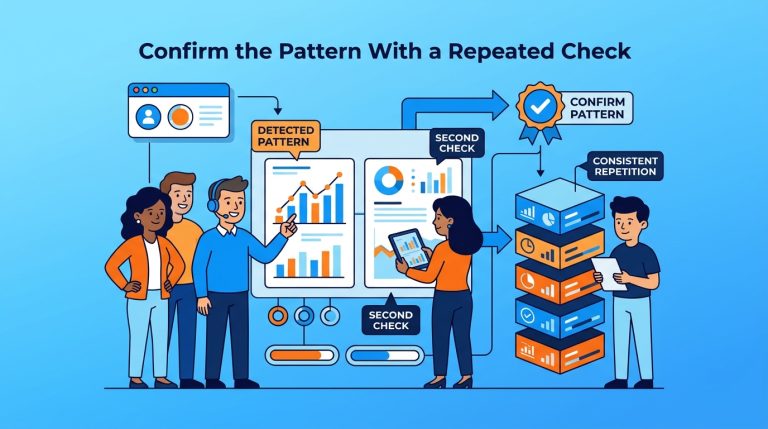
How to Respond When an Assistant Keeps Naming a Rival Clinic
November 18, 2026 When ChatGPT, Gemini or Google's AI keeps naming a rival clinic, check it monthly, fix your Google profile and pages, and stay inside Google and FTC rules. Read MoreBrowse All
What Happens If Monthly Content Publishing Stops After Setup?
November 20, 2026 One blog's decaying pages lost 1.21% of organic site visits a week, AI-cited URLs run 25.7% fresher than organic results, and Business Profile posts fade in about seven days. Read More
Entity Hubs vs. Monthly Content: Where One Ends, the Next Begins
November 20, 2026 Where the entity hub ends and monthly content begins: what Google says to put on one page, what local AI answers draw on, and how often to update. Read More
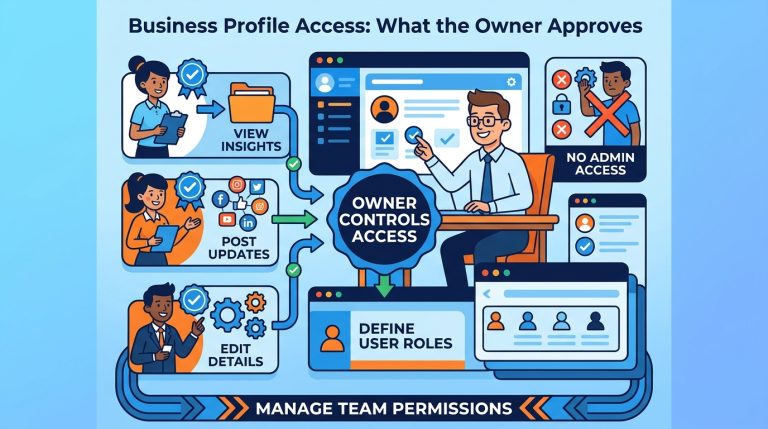
Who Needs to Approve What Before Installation Can Start?
November 20, 2026 Profile owner access, signed business associate agreements for tracking and cloud vendors, and Google verification steps: what gets approved before installation. Read More
What a Full-Stack Authority Engine Is Not: Limits Set by Google, the FTC and HIPAA
November 20, 2026 What an authority engine can't promise: Google says no one can guarantee a #1 ranking, the FTC sets rules on claims and reviews, and HIPAA governs practice marketing. Read More
How Entity Data, Schema and Content Work Together in One Build
November 20, 2026 See how entity data, schema markup and page content connect in one build, what Google says about each layer, and where the links between them break. Read More
One Installed System vs. Separate Tools for Listings and Content
November 20, 2026 One chiropractic case study found 60% of Yext-synced listings vanished or went wrong after cancelling. See what the data says about listing tools and tool stacks. Read More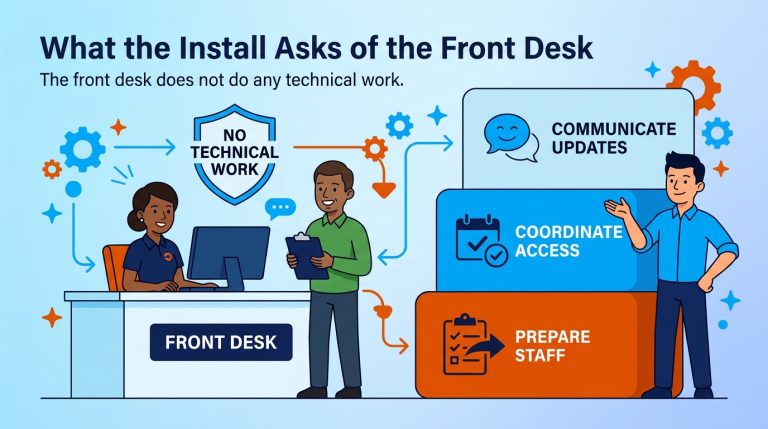
Does Your Front Desk Need to Do Anything During Installation?
November 20, 2026 The install is white-glove, so your front desk does nothing. See the one video Google may ask for, the mistakes to avoid, and the light review-reply task after. Read More
What Topics Should Monthly Content Actually Cover?
November 20, 2026 What should a chiropractic practice write each month? See which content types AI cites by intent, which back pain topics matter, and the accuracy bar. Read More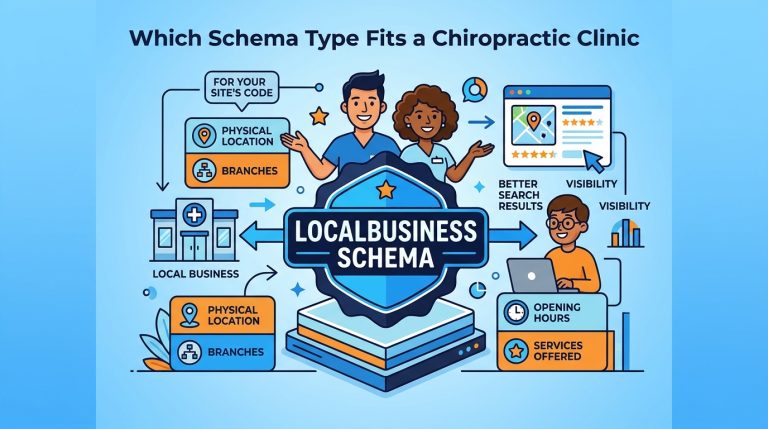
How Schema Code Links Your Clinic’s Address to Its Specialties
November 20, 2026 See how schema code ties a chiropractic clinic's address to its specialty, from MedicalClinic and PostalAddress to medicalSpecialty, and what it can't control in Google. Read More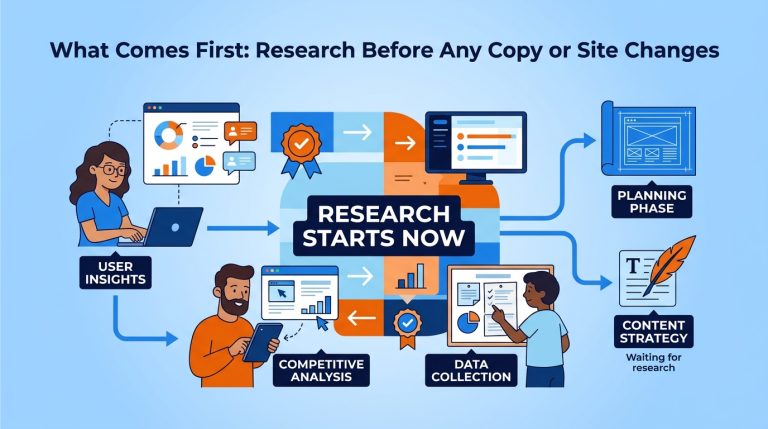
How Long Each Stage of an Authority Build Actually Takes
November 20, 2026 Real time ranges for each stage of an authority build: Google verification, citation listings, page indexing, and robots.txt changes, with sources. Read More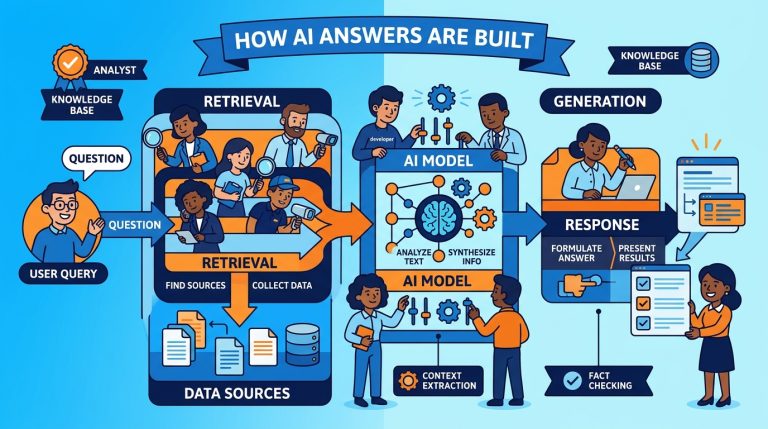
Setting Up a Full AI Authority Engine: How the Pieces Fit Together
November 20, 2026 See how AI answers get built from retrieved sources, what Google and ChatGPT require, and how markup, content, reviews and monthly checks fit together. Read More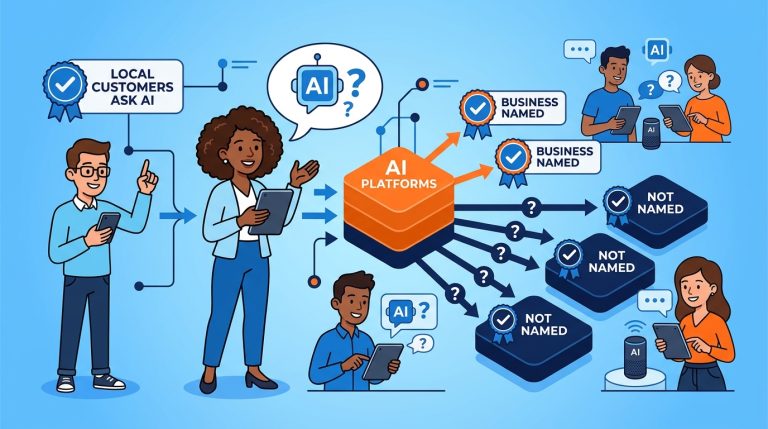
What an AI Visibility Check Reveals About Your Booking Pipeline
November 18, 2026 See what an AI Visibility Check shows: who ChatGPT and Google's AI name instead of you, which sources they cite, and where your details are wrong. Read MoreNot sure where to start? The fastest way to see where your business stands is a free diagnostic. We ask ChatGPT, Gemini, Perplexity, Grok, and Claude about your practice — and send you exactly what AI says when patients ask for help.