Will a Decision Framework Create More Paperwork or More Patients?

A post-diagnostic decision framework creates more patients or more paperwork depending entirely on how it is built and deployed. Built as a machine-readable authority asset embedded into a practice's digital infrastructure, it routes AI engines toward that practice as the trusted recommendation. Printed as a static PDF or buried in a filing cabinet, it collects dust and changes nothing.

The distinction matters. Most practices handed a framework by a marketing agency received a document — a report, a deliverable that looked thorough, sat in an inbox, and never touched how AI engines perceive that practice's authority. That is PDF Manual Mode: a dead framework dressed up as a strategy.

Machine-Trust Mode is the opposite. The framework is embedded into the infrastructure AI engines actually read — structured schema, entity signals, verified citations, and AI authority articles that compound over time. The result is not more paperwork. The result is that when a patient asks an AI assistant who the best chiropractor near them is, the answer is that practice's name.

The timing is not abstract. Traditional search engine query volume is projected to drop 25% by 2026 as patients shift to conversational AI agents for recommendations. That shift does not reward practices with more documents. It rewards practices whose authority infrastructure speaks the language AI engines trust.

Administrative complexity already costs the US healthcare system nearly $950 billion annually. A decision framework engineered correctly does not add to that burden — it replaces scattered, unverifiable signals with a coherent, structured authority layer that AI can read, trust, and cite.

PDF or live wire. The framework is the same. The deployment is everything.

Last Updated: July 15, 2026

What a Decision Framework Actually Does (And What It Doesn't)

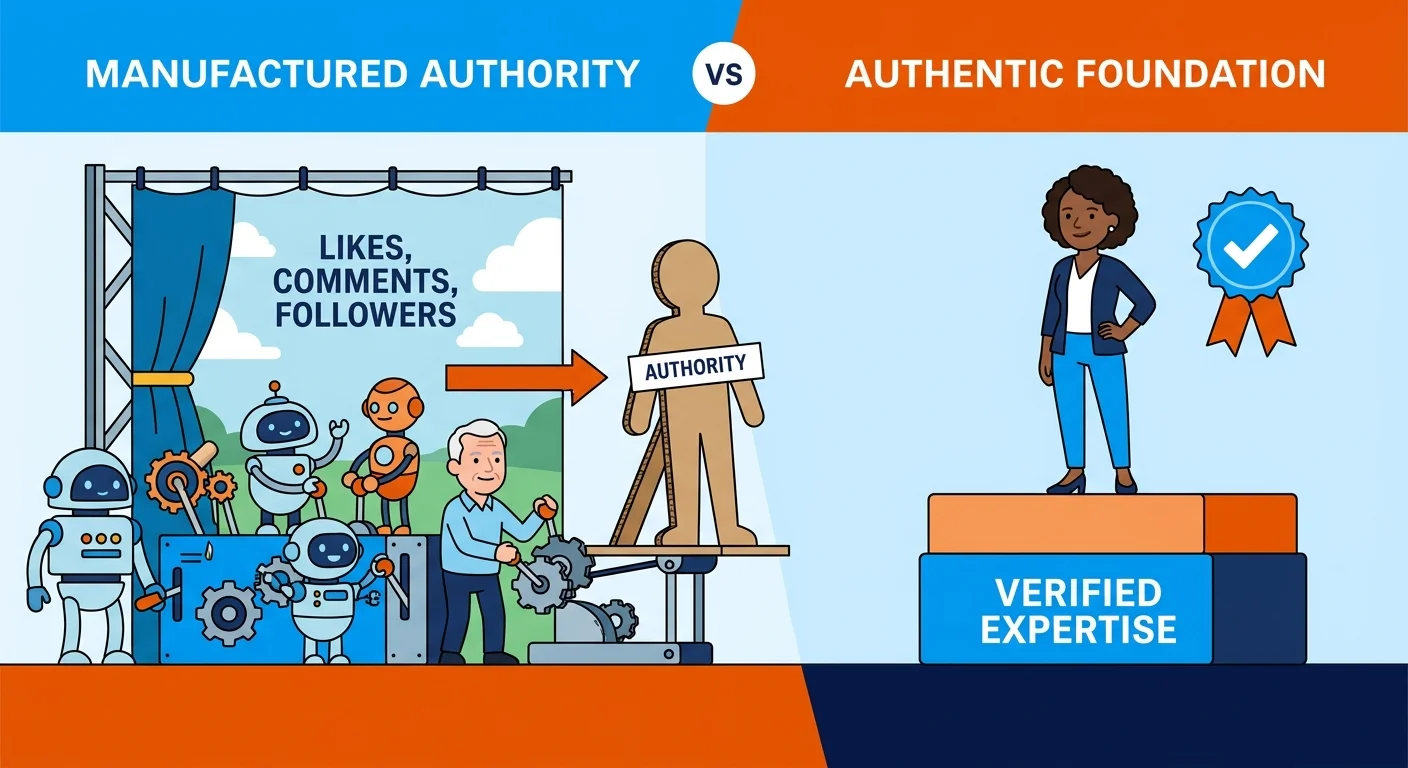
decision framework PDF mode versus machine trust mode comparison

A decision framework is not a document. It is a routing system. It tells AI engines what your practice does, who you serve, and why your name — not a competitor's — belongs in the answer.

Most practitioners never got that version. What agencies hand over is a deliverable — pages, headers, maybe a logo on the cover. It looks thorough. It prints well.

But the moment it hits a PDF, it goes inert. It cannot signal anything to a conversational engine. It cannot compound. It just sits there, waiting for someone to open it — which, most of the time, nobody does.

The structural version is a different animal. It lives inside the live infrastructure AI engines actually read — schema markup, entity signals, verified authority content that builds on itself every month.

Every patient query pulls toward that practice instead of past it. That is the gap between PDF Manual Mode and Machine-Trust Mode. It is not a small gap. It is the gap between being recommended and being invisible.

The Two Jobs Every Framework Is Supposed to Do

Here's the thing — every decision framework has exactly two jobs. First: define the practice's authority — who they are, what they treat, why they are the right answer. Second: make that definition legible to AI engines in a format they can actually read, trust, and cite.

Most frameworks only attempt the first job. They define the practice beautifully. They organize the clinical narrative, map the patient journey, articulate the differentiators.

Then they stop. The result is a well-described practice that AI engines still cannot find, trust, or recommend. The work happened. The signal never left the building.

That second job is what separates infrastructure from documentation. Without structured schema and entity signals, the question of what to do after your AI Authority Snapshot never gets answered in a way AI engines can act on.

The authority exists on paper. It does not exist where patients are asking.

Why Most Practitioners Get the Definition Wrong From the Start

So here is the most common mistake: treating a decision framework as an output instead of an input. Practitioners receive it, review it, file it. They assume the work is done because a document was delivered.

That is PDF Manual Mode thinking. And it is exactly why practices remain invisible to AI engines despite having put real time and real money into the process.

Traditional static infrastructure creates systematic visibility gaps because it lacks the structured schemas conversational engines require to index clinical authority.

A framework that lives only as a PDF inherits every one of those gaps. It adds nothing to the machine-readable layer. It signals nothing. It builds nothing. The practice is still invisible — just slightly more organized about it.

So the problem was never semantic. It was always structural. Once a practice understands the framework is infrastructure — not documentation — the paperwork-versus-patients question answers itself.

Machine-Trust Mode produces patients. The filing cabinet version never will.

Framework ComponentWhat It Does in PDF ModeWhat It Does in Machine-Trust ModeNet Outcome
Clinical Authority DefinitionDescribes the practice's expertise in narrative form — readable by humans, invisible to AI enginesTranslates clinical expertise into structured entity signals and schema markup that conversational engines can read and citeAuthority exists where patients are actually asking
Patient Journey MappingDocuments the patient experience as a static narrative — organized, thorough, and inertEmbeds the patient journey into structured content layers that AI engines use to match queries to trusted practicesPractice becomes the recommended answer, not just a well-described one
Competitive DifferentiatorsLists what makes the practice unique inside a PDF — available for review, unavailable for recommendationWires differentiators into the machine-readable infrastructure AI engines use to distinguish one practice from anotherDifferentiation compounds over time instead of collecting dust
Schema and Entity SignalsAbsent — PDF format carries no machine-readable structure; gaps in AI indexing go unfilledBuilt natively into the authority infrastructure — schema, verified citations, and entity signals all active and compoundingAI engines can locate, trust, and surface the practice in conversational responses
AI Authority Content IntegrationNot connected — framework sits in isolation from any live content layerDirectly informs ongoing AI authority articles that reinforce entity trust with every published pieceContent compounds instead of expiring — each article deepens the authority signal
Administrative OutputGenerates deliverables — reports, documents, pages — that require ongoing human review to remain relevantGenerates authority infrastructure — live, self-reinforcing, requiring no manual maintenance to keep signalingReduces administrative load instead of adding to it

Why Most Frameworks End Up as Filing Cabinet Fodder

practitioner buried in agency reports with no AI authority visibility

Here's the thing — most frameworks are dead before anyone opens them. Not because the information is wrong. Because the format it arrives in can't do anything.

The filing cabinet is not a metaphor for disorganization. It is a metaphor for inertia.

A framework living in a PDF, a printed binder, or a static intake form cannot signal anything to an AI engine. It cannot route a patient query toward your practice. It cannot compound.

It just sits there. And while it sits, competitors with live infrastructure are collecting the patients that should have been yours.

That is PDF Manual Mode in its purest form. The document exists. The strategy does not. And the gap between those two things is exactly where practices lose the AI recommendation race without ever knowing they were in it.

The Report-and-Run Problem: What Agencies Actually Deliver

So why do so many practices end up with a filing cabinet full of frameworks? Because the agencies that sold them weren't building infrastructure. They were shipping deliverables.

This pattern has a name. Practitioners who've been through it already know what report-and-run Answer Engine Optimization looks like from the inside — a polished document, a stack of screenshots, and a practice whose AI visibility hasn't moved an inch.

The report looks like progress. It isn't.

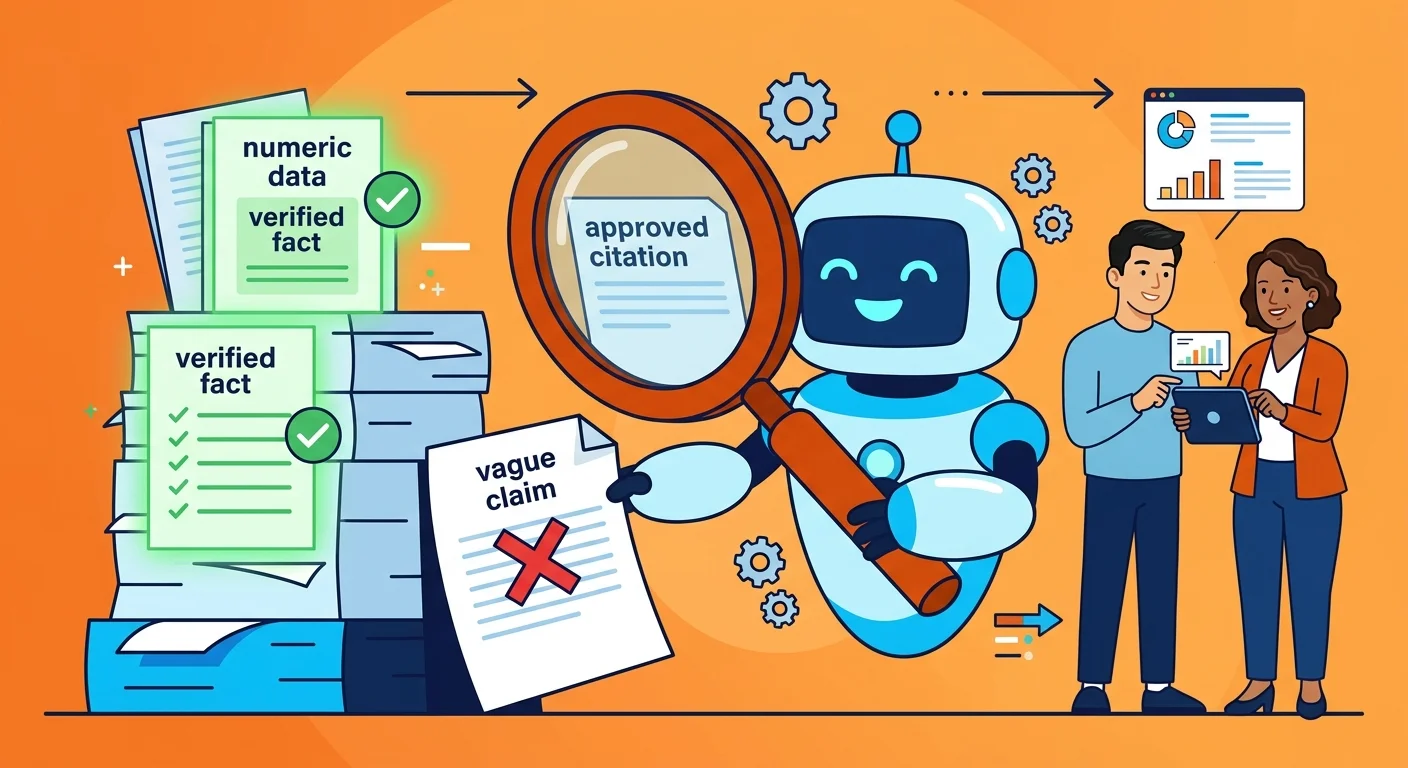
The FTC has been explicit: businesses offering AI-related services must fully substantiate their performance claims — not paper over them with vanity metrics.

Report-and-run agencies built their entire model on exactly that. Metrics that look good on a slide deck. Numbers that mean nothing to a conversational engine trying to determine who to trust.

That is not a strategy gap. That is a structural one.

And patients notice. Published analysis on clinical AI skepticism shows that 60% of adults are uncomfortable with providers relying solely on AI for guidance — which means demand for verifiable, structured, human-backed authority has never been higher.

A PDF framework buried in a filing cabinet does not provide that.

Machine-Trust Mode does.

This Is Not for Everyone (Qualification Gate)

Here's the thing — not every practice is ready for Machine-Trust Mode. Worth saying plainly before we go further.

If you want a framework to hand off to your front desk and never touch again — this is not your answer.

PDF Manual Mode thinking produces PDF Manual Mode results.

Live authority infrastructure requires active execution: structured content, entity signals refreshed over time, a commitment to compounding instead of coasting. That is not a burden. But it is a choice.

But if you're a practice tired of investing in deliverables that don't move the needle — tired of paying for reports that AI engines can't read, trust, or act on — the filing cabinet version was never going to work for you anyway.

Machine-Trust Mode is built for practices that want to be the answer.

Not just have the paperwork.

Agency BehaviorWhat Gets DeliveredWhat AI Can Read From ItAdministrative Burden Added
Delivers a discovery auditPDF report with keyword data and competitive snapshotNothing — static documents carry no schema, no entity signals, no machine-readable structureStaff time spent reading and filing a document that changes nothing operationally
Builds a clinical intake formPrinted or digital form collecting patient informationNothing — unstructured form fields are invisible to conversational AI enginesFront-desk time processing responses that never feed into an authority signal layer
Produces a content calendarSpreadsheet listing topics, posting dates, and platform assignmentsNothing — a calendar is a planning document, not a structured authority assetPractitioner time approving content that sits in PDF Manual Mode until wired into live infrastructure
Runs a monthly performance reportSlide deck showing impressions, clicks, and vanity engagement metricsNothing — metrics dashboards contain no entity trust signals AI engines can parse or citeLeadership time reviewing numbers that measure visibility on a platform being replaced by AI
Writes a brand positioning documentMulti-page narrative defining the practice's differentiators and patient promiseNothing — a positioning narrative in prose format does not translate to structured schema or entity signalsReal clinical insight locked inside a document that AI engines cannot read, trust, or surface
Builds authority infrastructure in Machine-Trust ModeStructured schema, entity signals, verified citations, and compounding AI authority articlesEverything — practice name, specialty, location signals, and trust credentials are machine-readable and citableAdministrative load decreases over time as the authority layer routes patient queries automatically

The Difference Between a Dead Framework and a Live One

dead PDF framework versus live machine trust framework for AI authority

PDF Manual Mode versus Machine-Trust Mode isn't a strategy debate. It's a readability problem. Either AI engines can parse your framework — or they can't. There's no middle ground.

Here's the thing — both versions can look identical on paper. Same headers. Same clinical narrative. Same patient journey. The difference isn't what's in the document. It's what happens to that document after someone hits save.

One version gets filed. The other gets wired. That single structural decision is what separates a practice AI recommends from a practice AI doesn't know exists.

PDF Manual Mode: What Makes a Framework Dead

PDF Manual Mode is not a failure of effort. It is a failure of format. The information inside a dead framework is often accurate, thorough, even genuinely useful. But a PDF cannot emit entity signals. It cannot be parsed by a conversational engine. It cannot compound. Good content trapped in a dead format is still invisible.

So what makes a framework dead? Static delivery. The second a framework exists only as a printed document or a saved file, it goes inert. Published research on decision-support frameworks confirms the pattern — structured clinical data reduces administrative friction and diagnostic latency, but only when it's natively embedded into active systems. Handed over as a document, it does neither.

Here's what stings: a practice can have the most precisely articulated framework in its entire market — mapped patient journey, clear clinical identity, differentiated positioning — and if that framework lives in a PDF, AI engines will recommend someone else anyway. PDF Manual Mode doesn't just fail to help. It converts a real investment into expensive shelf decoration. The filing cabinet is where authority goes to die.

Machine-Trust Mode: What Makes a Framework Live

Machine-Trust Mode starts the moment a framework stops being a deliverable and becomes infrastructure. Clinical identity, authority signals, structured schema — all of it wired into a live system that conversational engines can actually index. Not stored. Not filed. Wired.

And here is where the compounding starts. Traditional search engine query volume is projected to drop 25% by 2026 as patients migrate to AI agents for recommendations. A live framework is already positioned for that shift — because it speaks the language those agents use to determine who to trust. Practices that understand what the first 30 days of execution look like know why timing matters. Every month of live, structured authority builds on the last. Every month in a filing cabinet doesn't.

That's the only difference that matters. PDF Manual Mode freezes authority in place. Machine-Trust Mode routes it — straight toward the patients asking AI engines right now who they should trust with their care.

CharacteristicPDF Manual Mode (Dead Framework)Machine-Trust Mode (Live Framework)
FormatStatic document — PDF, printed binder, or saved fileLive infrastructure — embedded into active systems conversational engines can index
Authority Signal OutputEmits nothing — invisible to AI engines regardless of content qualityContinuously emits entity signals that AI agents use to determine who to trust
What Happens After DeliveryGets filed — authority freezes in place the moment someone hits saveGets wired — clinical identity routes directly toward patients asking AI for recommendations
Administrative ImpactAdds documentation overhead without reducing operational frictionReduces administrative friction by structuring clinical data natively into active workflows
Response to Search Behavior ShiftFalls further behind as patients migrate from list-based search to AI-generated answersPositioned for the shift — already speaking the language conversational engines use to recommend providers
Compounding Effect Over TimeDepreciates — a static PDF becomes less relevant as infrastructure around it evolvesCompounds — every month of live, structured authority builds on the last

How a Machine-Trust Framework Gets Built

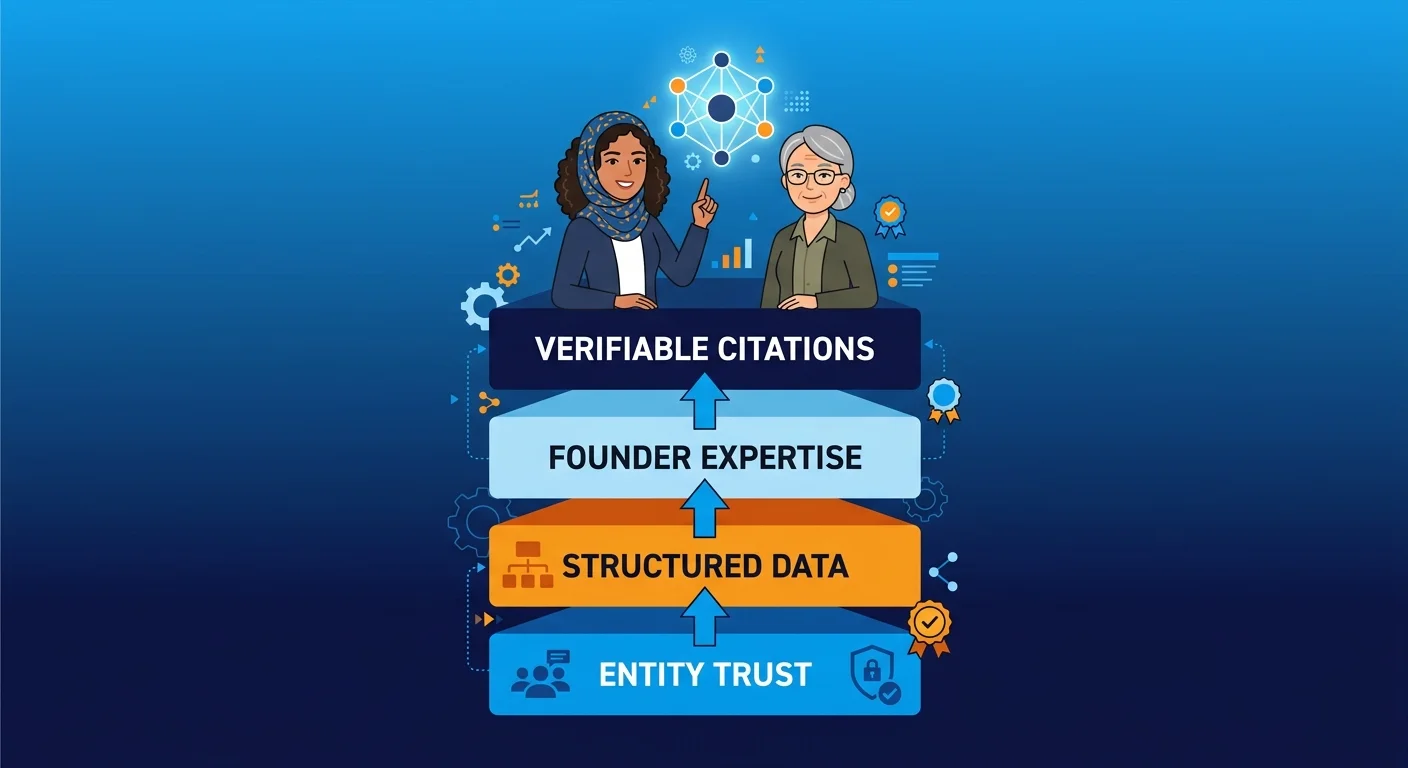
three layer machine trust framework build for AI authority engine

Building a Machine-Trust framework is not a design project.

It's an infrastructure project. The output isn't a polished document. It's a live system that conversational engines can parse, trust, and cite.

Here's the thing — most practitioners approach a decision framework the way they'd approach a branding exercise. Gather the information. Organize it clearly. Hand it off.

That sequence produces PDF Manual Mode every time. The framework looks finished. But it was never wired into a system AI engines can actually reach. And a framework that isn't wired in can't do anything — regardless of how thorough it looks.

Machine-Trust Mode has three distinct build layers. Each one does a specific job in the AI citation stack.

And each depends on the layer beneath it. The sequence matters as much as the components.

The Foundation Layer: Schema, Entity Signals, and Semantic Density

The foundation layer is where the framework stops being a description and starts being a signal.

Schema markup, entity signals, and semantic density are the structural components that make a clinical identity legible to AI engines. Not as a narrative — as structured data they can index and cite.

So what does that actually look like? Schema tells a conversational engine what type of entity it's dealing with, what that entity does, and where it operates. Entity signals confirm the practice exists across multiple authoritative surfaces — not just one page on one platform.

Semantic density ensures the content around the practice reflects a coherent, expert clinical identity — not a loose collection of unrelated keywords. When all three are embedded natively into a live system, the engine already knows who this practice is before a patient ever asks.

That is not a small thing.

This is exactly where static infrastructure falls apart.

A framework defined in a PDF can't emit schema. It can't be indexed. It can't accumulate entity signals over time. The foundation layer requires live infrastructure — not a document. Without it, every layer built on top is dead on arrival.

The Content Layer: AI Authority Articles That Compound

The content layer is where authority compounds.

AI Authority articles aren't decorative. They're the mechanism by which a machine-trust framework signals topical depth and clinical expertise over time. Each one adds a new citation surface. Each one reinforces the entity signals built in the foundation layer.

Together, they build a pattern that conversational engines recognize as authority.

And timing matters more than most practices want to admit. Gartner projects traditional search engine query volume will drop 25% by 2026 as patients shift to AI agents for recommendations.

The practices building content layer depth right now are the ones that will own those AI citations when the shift fully lands. The ones waiting are handing that ground to competitors — one month at a time.

So the content layer isn't a publishing schedule. It's a compounding authority strategy.

The early sequencing decisions you make about how to structure it determine how fast the framework moves from invisible to cited. Get the order right and the engine builds on itself. Get it wrong and you're producing content that never stacks.

The Validation Layer: What Confirms the Framework Is Working

The validation layer is what separates Machine-Trust Mode from wishful thinking.

Building foundation and content without a way to confirm the framework is being read, cited, and acted on? That's still PDF Manual Mode. Just a more expensive version.

But validation doesn't mean impressions, clicks, or engagement rates.

It means checking whether AI engines are actually citing the practice when relevant questions are asked. Whether the entity signals are strong enough that the framework is producing recommendations — not just sitting in a database somewhere. That's the only number that matters.

That's the full arc from filing cabinet to live wire. Foundation signals who the practice is. Content compounds why it's trusted. Validation confirms the system is doing what it was built to do.

A framework running all three layers isn't paperwork. It's a patient acquisition engine.

And it runs continuously — whether the front desk is open or not.

Build LayerCore ComponentsWhat It Signals to AI EnginesTimeframe to Establish
Foundation LayerSchema markup, entity signals, semantic density — embedded into a live active systemTells AI engines who the practice is, what it does, and that it exists across multiple authoritative surfacesEstablished during initial infrastructure build — must be live before content compounds
Content LayerAI Authority articles structured for topical depth, clinical expertise, and citation surface expansionSignals sustained authority over time — each article reinforces the entity signals set by the foundation layerCompounds progressively with each published article — earlier execution means earlier citations
Validation LayerAI citation monitoring, entity signal audits, and recommendation confirmation across conversational enginesConfirms the framework is being read, indexed, and acted on — not just existing in a databaseOngoing — runs continuously alongside content execution to ensure the system produces recommendations

Frequently Asked Questions

Good. The case is made. Now here are the questions that actually stop practitioners from pulling the trigger.

Not the philosophical kind. Staff. Software. Speed. Every answer below is direct — no hedging, no 'it depends.'

Does implementing a post-diagnostic decision framework require hiring more administrative staff?

No. And that assumption only makes sense if you confuse administrative paperwork with structural infrastructure — which is exactly what most agencies want you to do.

The framework does not add tasks to your staff's plate. It eliminates the manual translation work that happens when your clinical identity lives only inside someone's head — or inside a PDF no system can read.

Machine-Trust Mode is built to reduce operational friction. When the infrastructure handles the signaling automatically, your front desk does not grow. Your visibility does.

How does a machine-readable framework differ from a standard clinical intake form?

A clinical intake form collects patient data. A machine-readable framework signals clinical identity to AI engines. Those are not the same thing — not even close.

An intake form is built for the front desk. It gets filled out, filed, and forgotten by every system that matters to patient acquisition. A machine-readable framework is structured so conversational engines can index it, trust it, and cite it when a patient asks who they should see.

One serves your receptionist. The other serves the AI agents patients use to make care decisions right now. A practice needs both. But confusing them guarantees neither gets built correctly — and you end up with a beautifully organized intake process that AI engines still cannot find.

Will this decision framework slow down our patient onboarding process?

Usually the opposite happens.

When a framework is in Machine-Trust Mode, your clinical identity is already structured and legible before a patient ever hits the front desk. The systems handling onboarding have a clear, consistent signal to work from — instead of rebuilding ad hoc intake processes every time a new hire shows up.

Structured data built natively into active practice systems cuts both administrative friction and diagnostic latency. The slowdown practitioners fear? It is almost always caused by the absence of a framework. Not the presence of one.

What happens if our existing clinic software doesn't support structured schema markup?

That is a real constraint. And it is exactly why the foundation layer matters.

Most clinic software is built for billing and scheduling — not for emitting the entity signals and schema markup that conversational engines use to determine authority. So the infrastructure work does not happen inside your existing software. It gets built around it, on a foundation AI engines can actually reach.

Your clinical identity gets structured and published in a way that is legible to AI — regardless of what your internal scheduling system supports. What is inside your clinic software stays where it is. What AI engines see gets rebuilt. Two separate systems. Only one of them needs to speak the language AI trusts.

Why do traditional agencies focus on delivering reports rather than building structural frameworks?

Because reports are deliverable. Infrastructure requires ongoing execution — and ongoing execution requires accountability most agencies are not built to provide.

A report gets handed off. The engagement closes. The agency gets paid. The FTC has been explicit: AI-related performance claims must be substantiated, not manufactured from vanity metrics. But report-and-run Answer Engine Optimization agencies are not building systems that can be substantiated. They are building documents.

PDF Manual Mode is the default agency output because it is easier to produce and nearly impossible to hold accountable. Machine-Trust Mode requires a different kind of partner — one who builds the live infrastructure and stays in the system long enough to confirm it is actually working.

That is a much shorter list.

The Choice Is Simpler Than You Think

Here's the thing — you already know which one you have.

If your framework lives in a PDF, a filing cabinet, or an agency report nobody opens twice, that is PDF Manual Mode.

The information inside it might be accurate. But AI engines can't find it, can't index it, and can't recommend a practice based on it.

Machine-Trust Mode is the other choice. Same clinical identity. Same patient journey. Same differentiators — wired into live infrastructure instead of saved to a folder.

That single structural decision is the entire difference between a practice AI recommends and a practice AI has never heard of.

Gartner projects traditional search engine query volume will drop 25% by 2026 as patients shift to conversational agents for recommendations. The filing cabinet version doesn't survive that shift. The live wire version is built for it.

So the choice isn't complicated.

Sit in a drawer — or route patients directly to your door. iTech Valet builds the live version.

PDF or live wire. That's the only decision left.

So which one do you have — a dead PDF or a live authority engine? That question matters less than the one AI engines are already answering when someone in your market asks for a recommendation. Find out where you stand in fifteen minutes.

Run My AI Visibility Check

621 Enterprises, Inc. | Copyright 2026 | All rights reserved