


What Are the Best AI Tools for Chiropractors in 2026?
 by Gerek Allen ~ Last Updated: January 20th, 2026 ~ 10 Min Read
by Gerek Allen
~ Last Updated: January 20th, 2026 ~
~ 10 Min Read ~
The best AI tools for chiropractors in 2026 are ambient AI scribes (Sunoh.ai, Freed, ChiroTouch Rheo), posture and diagnostic tools (PostureScreen), patient growth platforms (DemandHub), and integrated EHR solutions with built-in AI. These tools cut documentation time by up to 92%, automate patient reactivation, and deliver objective diagnostic data—all while staying HIPAA compliant.
Stop lying to yourself.
You didn't spend years in chiropractic school to become a highly-paid data entry clerk. But here you are—9 PM on a Tuesday, still banging out SOAP notes while your kids are asleep and your spouse gave up waiting for you an hour ago.
That's not a practice. That's a prison sentence with a co-pay.
Here's what's changed in 2026: AI finally works. Not the overhyped, "it's coming soon" garbage we've been hearing for years. Actual, practical tools that plug into your existing workflow and stop the bleeding.
The tools in this guide can reclaim 16+ hours of your week. That's not marketing fluff—that's math. And most of them cost less than your monthly coffee habit.
Let's break down exactly what works, what it costs, and how to implement it without your staff staging a mutiny.
Understanding AI Categories for Chiropractic Practices

AI in healthcare isn't one magical tool that does everything. It's a collection of specialized solutions, each designed to eliminate a specific headache.
The chiropractic AI market breaks down into four categories. Understanding which one solves YOUR biggest problem is the difference between wasting money and getting your evenings back.
Ambient AI Scribes: The Documentation Killers
This is where 80% of chiropractors should start. Period.
Ambient AI scribes listen to your patient conversations and automatically generate structured SOAP notes. No typing. No dictation commands. No learning a new workflow.
You just... talk to your patient like a normal human being. The AI runs in the background, understands what's clinically relevant, and spits out compliant documentation.
The result? You actually look your patient in the eye for once instead of staring at a screen.
ChiroTouch reports their Rheo users see up to 92% reduction in charting time. That's not theoretical—that's happening right now in practices across the country.
And once you've got documentation handled, you can start thinking about how chiropractors use AI to write blog posts—turning that same time-saving approach into content that attracts new patients.
Posture and Diagnostic AI: The Objective Evidence Generators
Eyeballing posture is fine. But try explaining "I think your head is forward" to a skeptical patient. Now try showing them a computer-generated report with exact angles and displacement measurements.
Which one gets case acceptance?
PostureScreen is the category leader. It's validated in peer-reviewed research in the Journal of Physical Therapy Science. The AI identifies anatomical landmarks automatically and calculates displacement angles from a simple photo.
You get objective data patients can see and understand. That's not just better care—that's marketing gold for your practice.
Patient Growth and Reactivation: The Revenue Recovery Systems
Every empty appointment slot costs you money. Every patient who drifts away after visit six is revenue walking out the door.
AI-powered patient growth tools automate the tedious work of chasing people down. They send appointment reminders, request reviews, and run re-engagement campaigns for patients who've gone dark.
The numbers are simple. If you're running at 77% appointment utilization and push it to 90%, that's real money without working harder. We cover the full breakdown in our guide to chiropractic marketing automation—it's the same principle applied across your entire patient communication system.
Integrated EHR with Built-In AI: The All-In-One Play
Some practices prefer one system that does everything rather than bolting together separate tools.
Platforms like ChiroTouch now include AI capabilities (Rheo) directly within their EHR. No integration headaches. No separate logins. The AI just works within your existing workflow.
The trade-off? You're locked into their ecosystem. If you love your current EHR, a standalone AI scribe might make more sense. If your current EHR is a dinosaur from 2015, this is your bridge to the modern world.
The 2026 Chiro AI Stack Comparison
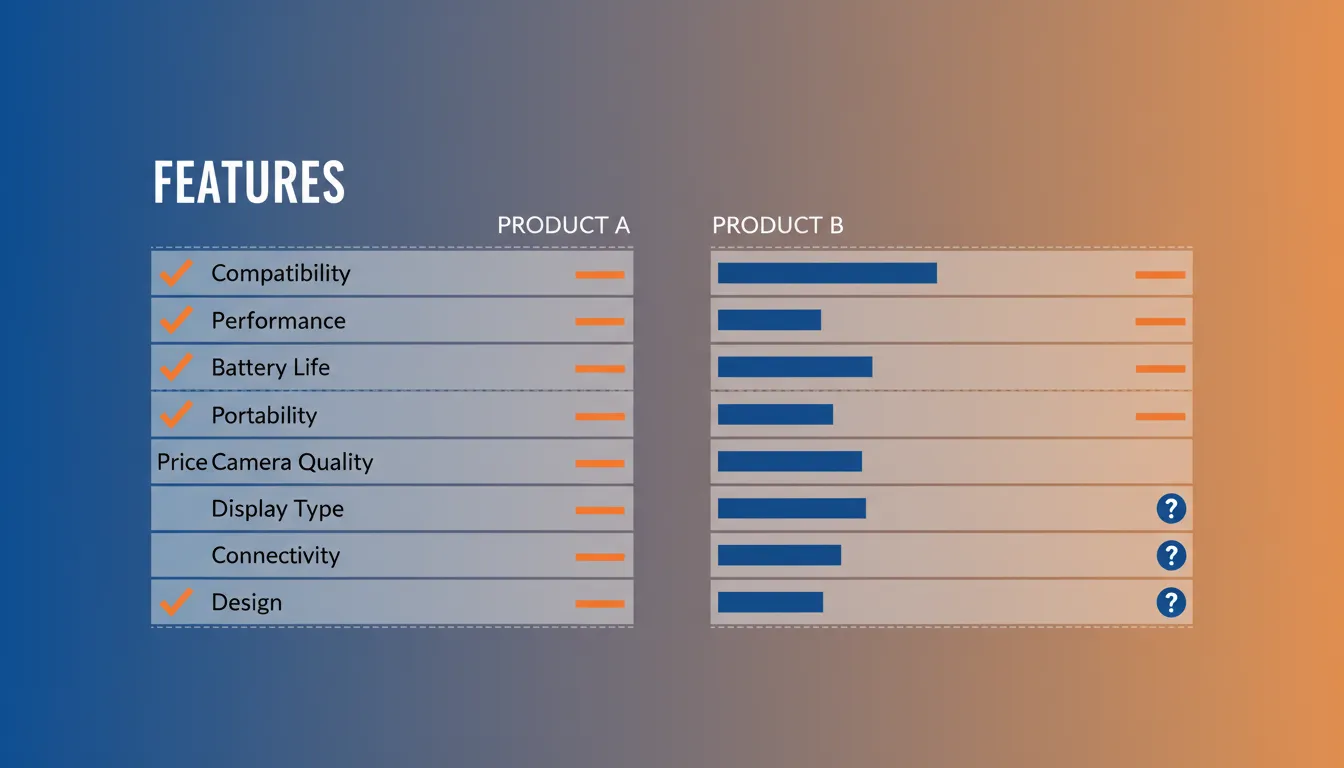
Let's get specific. Here's what's actually available in 2026, what it costs, and the "secret sauce" that makes each tool worth considering.
| Sunoh.ai | Ambient Scribe | $149/mo | Best for docs who talk fast and hate typing |
| PostureScreen | Vision/Diagnostics | $249/yr | The only tool that gives you "Marketing Gold" reports |
| DemandHub | Growth/SMS | $299/mo | Automatically fixes your "No-Show" problem |
| ChiroTouch (Rheo) | Integrated AI | Included | For the doc who wants zero external apps |
Sunoh.ai: The Speed Demon

Sunoh.ai runs $149 per user per month. It's EHR-agnostic—so it works alongside whatever dinosaur system you're currently stuck with.
The platform uses HIPAA-compliant infrastructure with data stored on Microsoft Azure. They sign proper Business Associate Agreements. Your compliance officer can stop hyperventilating.
Users consistently report saving up to 2 hours per day on documentation. That's 10+ hours a week you're getting back—to see more patients, spend with your family, or just sit in silence without someone asking you to fix something.
Freed AI: The Budget-Friendly Alternative
Freed comes in at $90-99 per month for unlimited visits. It's particularly popular with solo practitioners and small clinics because of the simple pricing structure.
The platform doesn't store patient recordings—which makes some docs more comfortable. It offers one-click integration with web-based EHRs.
Both Sunoh and Freed let you speak naturally during patient encounters. No awkward pauses. No learning new commands. The AI captures the conversation, understands what matters, and generates notes you can review and approve in minutes.
ChiroTouch Rheo: The Full Stack Solution
If you're already on ChiroTouch or considering switching EHRs, Rheo deserves serious consideration. It's included at no additional cost with ChiroTouch subscriptions.
Rheo goes beyond basic transcription:
- Intake-to-Note - Converts digital intake responses into SOAP-ready drafts before you even walk into the room
- Voice-to-Note - Listens and builds documentation in real-time during the visit
- Compliance Scan - Catches documentation or coding errors before claims go out
The Compliance Scan feature is particularly valuable if insurance billing is a significant part of your revenue. It automatically reviews every SOAP note and billing code, flagging potential denials before they happen.
Early users report the same 92% reduction in documentation time—with everything living in one system.
PostureScreen: The Objective Evidence Machine
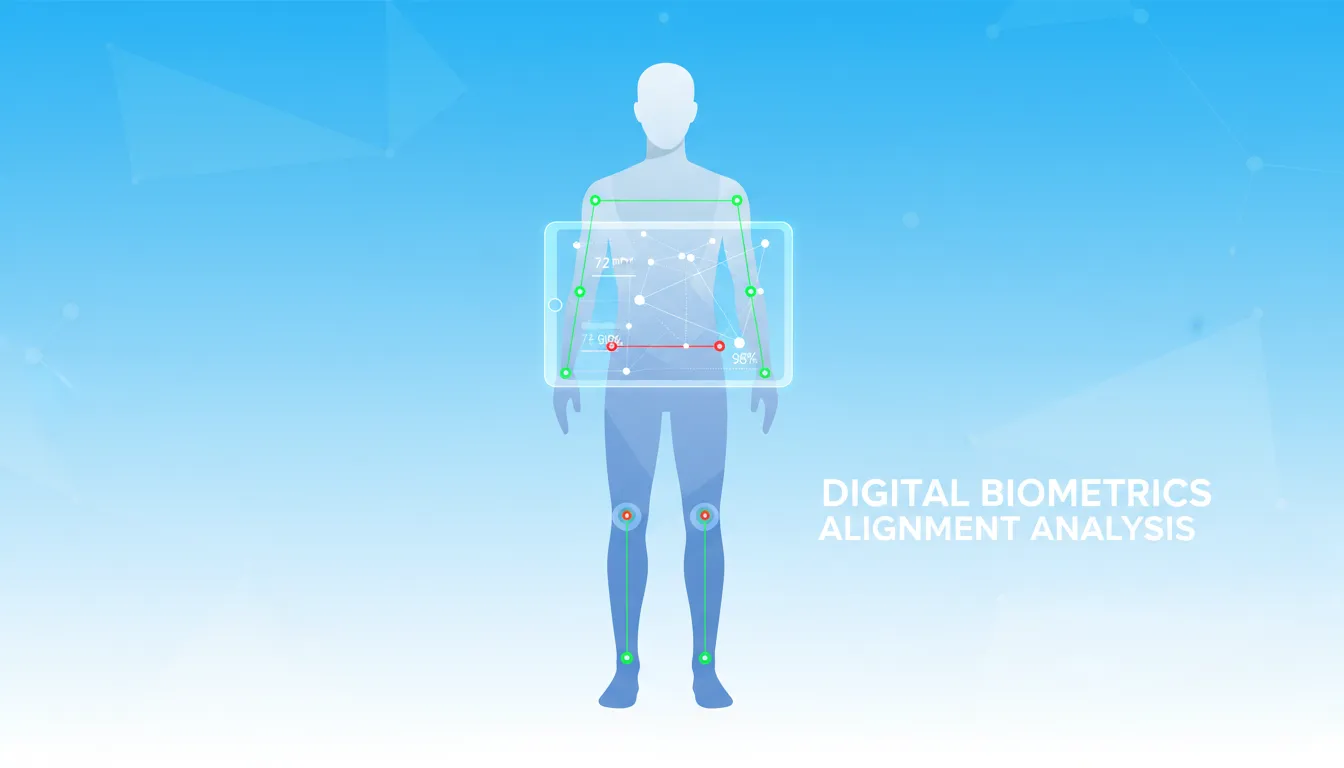
PostureScreen costs $25 per month or $249 per year for unlimited assessments across up to 10 devices under the same Apple ID.
What you get is computer vision-powered posture analysis validated in peer-reviewed research. Take a photo, and the AI automatically identifies anatomical landmarks and calculates displacement angles.
The practical value hits three areas:
- Report of findings - Visual evidence patients actually understand
- Progress tracking - Objective before/after comparisons that justify continued care
- Marketing events - Quick screenings at health fairs that generate leads
The upcoming PostureScribe.AI feature (targeted for late 2025/early 2026) adds ambient scribe capabilities specifically designed for chiropractors—potentially making it a two-in-one solution.
For practices focused on structural correction or Chiropractic BioPhysics protocols, this tool is essentially mandatory.

NEED MORE CLIENTS?
Free conversion-focused analysis uncovers the 3 biggest problems killing your bookings — we'll walk you through your results personally
The "Pajama Time" ROI: Your Time Back in Hard Numbers

Let's stop talking theory and do the math. This is the "Pajama Time" calculation—as in, how much earlier can you actually get home and put on pajamas instead of finishing charts?
| SOAP Notes | 12.5 Hours | Ambient Scribe | 10 Hours |
| Patient Reactivation | 5 Hours | Automated SMS | 4.5 Hours |
| Image Analysis | 3 Hours | AI Vision | 2 Hours |
| TOTAL | 20.5 Hours | RECLAIMED | 16.5 Hours |
That's 16.5 hours per week back in your life. Over a year, that's 858 hours. That's 35 full days you're currently spending on tasks a computer can do better.
The Revenue Translation
At a conservative $150/hour production rate:
- 16.5 hours × $150 = $2,475 per week in recovered capacity
- $2,475 × 50 weeks = $123,750 per year
Total monthly AI investment: $400-500 for the full stack
Annual AI investment: $5,000-6,000
Return on Investment: 20-25x
Even if you only convert HALF that recovered time to actual revenue, you're still looking at 10x ROI. The math isn't close.
The Cost-Benefit Breakdown
| AI Scribe | $100-150 | $4,000+ (time value) | 25-40x |
| Patient Reactivation | $200-400 | $2,500+ (recovered patients) | 6-12x |
| Posture Analysis | $21-25 | $500+ (improved case acceptance) | 20-25x |
| Integrated EHR with AI | $200-400 | $5,000+ (combined benefits) | 12-25x |
The tools that seem "expensive" at first glance become obviously worthwhile when you calculate actual return. And if your website isn't converting that recovered time into new patient bookings, check out what makes a high-converting chiropractic website in 2026—because AI tools only matter if patients can find you in the first place.
HIPAA Compliance: What Actually Matters (And What Doesn't)

Let's address the elephant in the room. You've probably heard horror stories about AI and patient privacy. Most of them are overblown—but some concerns are legitimate.
Here's what actually matters for your practice.
The BAA Requirement Is Non-Negotiable
Any AI vendor processing Protected Health Information must sign a Business Associate Agreement with your practice. No exceptions. No "we're working on it." No "you don't really need one."
If they won't sign a BAA, they can't touch your patient data. Period.
Here's the critical distinction most docs miss: generic AI tools like ChatGPT are NOT HIPAA compliant. OpenAI doesn't sign BAAs with covered entities. Using ChatGPT with patient information—even casually—creates compliance risk.
The tools recommended in this guide (Sunoh.ai, Freed, ChiroTouch Rheo, PostureScreen Enterprise) all offer signed BAAs and maintain HIPAA-compliant infrastructure.
What Legitimate Healthcare AI Looks Like
Every reputable healthcare AI platform shares these characteristics:
- Encryption in transit and at rest - Data is protected both when moving between systems and when stored
- Role-based access controls - Only authorized staff can access patient information
- Audit logging - Every data access is documented for compliance verification
- Compliant cloud infrastructure - Most use Microsoft Azure, Google Cloud, or AWS healthcare environments
- No storage of patient recordings - Many AI scribes process audio in real-time without retaining recordings
Before implementing any AI tool, request their security documentation. Ask specifically about data flow diagrams, encryption standards, and data retention policies. We break down the full requirements in our guide to HIPAA-compliant chiropractic software.
The Free AI Trap
If it's free, it's not HIPAA compliant.
ChatGPT, Google Bard, and other free AI tools don't sign Business Associate Agreements. They can't legally process patient information.
Don't risk your license to save $90 a month. The legitimate AI tools for healthcare cost money because HIPAA compliance, encryption, and secure infrastructure aren't free to build or maintain.
Ready to See How We Fix Chiropractic Websites?
We've transformed 150+ service-based websites using our proven 4-step system. See exactly how we combine premium design with conversion science.
Implementation Roadmap: From Chaos to Automation
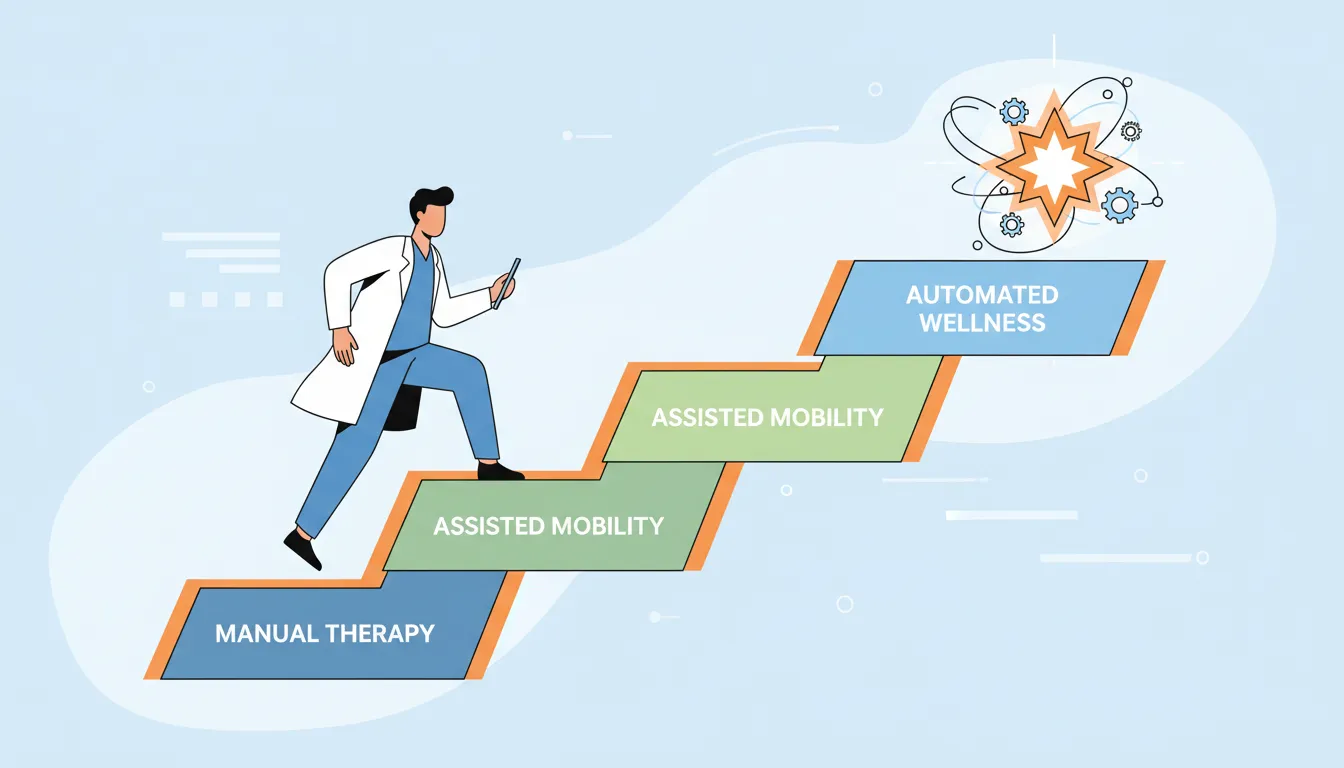
Knowing which tools exist is only half the battle. Implementation is where most practices crash and burn. Here's a realistic roadmap that won't send your staff running for the exits.
Phase 1: Attack Your Biggest Pain Point (Week 1-2)
For most chiropractors, that's documentation. If you're spending evenings and weekends catching up on notes, start with an AI scribe.
Pick ONE tool. Just one. Run the free trial. Use it for a full week before making any decisions.
During the trial period, focus on learning the workflow rather than judging accuracy. Every AI scribe has a learning curve. The notes will get better as you make edits and the system learns your preferences.
Don't try to evaluate three tools simultaneously. That's a recipe for analysis paralysis and zero progress.
Phase 2: Train Your Team (Week 3-4)
The biggest implementation failures come from staff resistance, not technology problems.
Before going live, explain the "why" to your team:
- This isn't replacing anyone's job
- It's eliminating the parts of the job everyone hates
- Notes get done faster—so everyone goes home on time
Designate one person as the "AI champion" who troubleshoots issues and answers questions during the transition. Could be you, could be a CA who's tech-savvy.
Phase 3: Optimize and Expand (Month 2-3)
Once your AI scribe is running smoothly, consider adding complementary tools:
- If patient retention is bleeding money → Add patient reactivation automation
- If you need stronger case evidence → Add PostureScreen
- If billing denials are eating your revenue → Consider switching to an integrated system like ChiroTouch with Rheo
Don't try to implement everything at once. Each new tool needs 2-4 weeks of focused attention before adding the next.
The Legacy EHR Problem
Let's be honest. Most chiropractic EHRs are dinosaurs.
They were built in 2010, run like it's 2010, and their "AI integration" is basically nonexistent. If that describes your current system, you have two options:
- Use standalone AI tools - Sunoh.ai and Freed work alongside any EHR. You copy/paste the generated notes. It's not seamless, but it works.
- Switch to a modern platform - ChiroTouch with Rheo is purpose-built for 2026. Everything integrates natively. No copy/paste required.
Either path works. The wrong choice is doing nothing and hoping your ancient EHR magically develops AI capabilities. If you're not sure which direction makes sense, our breakdown of the best tech stack for chiropractors walks through the options.
Look, if your current EHR is a dinosaur, you don't have to wait for them to innovate. We specialize in building the "AI Bridge"—connecting modern automation tools to legacy systems so you get the 2026 results without the 2010 headache. This is exactly what we audit during our Free Conversion Analysis.
The Counter-Intent: When AI Doesn't Make Sense

Full transparency. AI tools aren't magic solutions, and they're not right for every practice.
Skip AI Scribes If...
- You're seeing fewer than 10-15 patients per day. The time savings may not justify the investment. Your documentation burden probably isn't severe enough to warrant monthly subscription costs.
- You genuinely enjoy the documentation process. Some docs do. If that's you, forcing AI into your workflow creates friction without benefit.
Your current EHR has zero integration options and you're not willing to switch. Standalone AI scribes work with any system, but the copy/paste workflow might create more frustration than it solves.
The Learning Curve Is Real
AI tools require an initial investment of time and mental energy. If you're already maxed out and can't dedicate 2-3 hours during the first week to learn a new system, implementation will fail.
The docs who succeed with AI are the ones who commit to a brief learning period rather than expecting instant perfection.
AI Doesn't Replace Your Brain
This should be obvious, but it's worth stating clearly.
AI scribes generate drafts. You review and finalize. AI posture analysis provides data. You interpret and apply clinically.
If a vendor promises AI that "thinks for you" or eliminates the need for clinical oversight, run the other direction. That's not how responsible healthcare AI works.
The best AI tools function as invisible teammates handling administrative burden—not as replacements for your expertise.
What's Coming: 2026 and Beyond
The AI tools available today are just the beginning. Here's what's on the immediate horizon.
Clinical Decision Support Gets Smarter
Current AI mostly handles documentation and patient communication. The next wave integrates clinical decision support directly into your workflow.
Imagine your AI scribe flagging patterns across multiple patient encounters. Or suggesting differential diagnoses based on symptom combinations. This technology exists in other healthcare specialties and is coming to chiropractic.
Research suggests AI-backed diagnostic support can reduce error rates by up to 30% in complex cases. For chiropractors, this likely means better identification of red flags and more consistent treatment protocols.
Voice-First Everything
The keyboard and mouse are becoming optional. Voice interaction is moving from novelty to default interface.
Expect voice-controlled scheduling, voice-activated patient record retrieval, and voice-first practice management within the next 18-24 months.
The practices that get comfortable with voice-first AI now will have a significant advantage as these capabilities expand.
Integration Gets Seamless
The current landscape of separate tools that don't talk to each other is temporary. Expect consolidation and integration to accelerate.
Major EHR platforms are building or acquiring AI capabilities. Standalone AI tools are adding integrations with common practice management systems.
By late 2026, the "best" solution will likely be fewer tools that do more—rather than assembling a stack of specialized solutions.
Frequently Asked Questions
Are AI scribes HIPAA compliant for chiropractic practices?
Yes, most reputable AI scribes like Sunoh.ai, Freed, and ChiroTouch's Rheo are HIPAA compliant. They sign Business Associate Agreements (BAAs), use industry-standard encryption, and follow required administrative, physical, and technical safeguards.
However, generic AI tools like ChatGPT are NOT HIPAA compliant because OpenAI doesn't sign BAAs. Always verify HIPAA compliance and request a signed BAA before using any AI tool with patient data.
How much do AI tools cost for a chiropractic practice?
AI tool costs vary by category. Ambient AI scribes like Sunoh.ai run $99-$149 per month per provider. Freed AI costs $90-$99 per month for unlimited visits. PostureScreen for posture analysis costs $25-$249 per year depending on usage.
Patient growth platforms like DemandHub range from $150-$400 per month. ChiroTouch includes Rheo AI at no additional cost with their EHR subscription. Most tools offer free trials so you can test before committing.
Can AI really reduce my charting time by 92%?
Yes, those numbers are real. ChiroTouch reports that early Rheo users see up to 92% time savings on charting. Most AI scribe users report saving 1-2 hours per day on documentation.
The key is the ambient listening technology that captures your natural patient conversations and automatically structures them into compliant SOAP notes. You still review and approve everything, but the manual typing disappears.
Will AI tools work with my existing EHR system?
Most standalone AI scribes like Sunoh.ai and Freed are EHR-agnostic—they work alongside any system. You copy the generated notes into your existing EHR.
ChiroTouch's Rheo is fully integrated if you're already on their platform. PostureScreen generates PDF reports that upload to any EHR. Before committing, verify the specific integration capabilities with your current system.
What's the difference between AI scribes and traditional voice dictation?
Traditional voice dictation simply transcribes what you say word-for-word. You still have to structure your thoughts, use medical terminology correctly, and format everything properly.
AI scribes use ambient intelligence to listen to your entire patient conversation, understand medical context, and automatically organize the information into structured SOAP notes. You don't need to pause, use special commands, or change how you communicate with patients.
How do I know if an AI tool is actually safe to use with patient data?
Look for three things. First, confirm they sign Business Associate Agreements (BAAs)—this is required under HIPAA. Second, verify they use encryption for data in transit and at rest. Third, check where data is stored (reputable tools use HIPAA-compliant cloud infrastructure like Microsoft Azure).
Ask vendors directly for their security documentation and data flow diagrams before going live.
What happens if the AI makes a mistake in my SOAP notes?
You always maintain clinical oversight. AI scribes generate draft notes that you review, edit, and approve before finalizing. Nothing syncs to the patient chart without your sign-off.
Most tools let you make quick edits directly in the interface. The AI also learns from your corrections over time, improving accuracy for future notes.
Should I start with one AI tool or implement multiple at once?
Start with one tool that addresses your biggest pain point. For most chiropractors, that's documentation—so an AI scribe makes the best first investment.
Once you've integrated that into your workflow (usually 2-4 weeks), consider adding complementary tools like posture analysis or patient reactivation. Trying to implement everything at once overwhelms your staff and increases the learning curve.
Can I write off the cost of AI software on my taxes?
Generally, yes. AI software subscriptions typically qualify as a business software expense under Section 179. You can deduct the cost in the year you pay it.
However, tax rules change and your situation is unique—check with your CPA before filing to confirm the deduction applies to your practice.
Will AI hallucinate my patient's diagnosis?
No, because you're the one reviewing every note before it's finalized.
AI scribes suggest drafts based on your actual conversation with the patient—they don't invent findings or create diagnoses out of thin air. If something looks wrong in the draft, you correct it. The AI learns from your edits and improves over time.
You maintain full clinical oversight. Always.
Is there a free AI for chiropractors?
No. If it's free, it's not HIPAA compliant.
ChatGPT, Google Bard, and other free AI tools don't sign Business Associate Agreements and can't legally process patient information. Don't risk your license to save $90 a month.
The legitimate AI tools for healthcare cost money because HIPAA compliance, encryption, and secure infrastructure aren't free to build or maintain.
Conclusion
The best AI tools for chiropractors in 2026 aren't complicated. They're practical solutions for problems you've been complaining about for years.
Start with an ambient AI scribe if documentation is stealing your evenings. Add posture analysis if you need objective evidence that closes cases. Implement patient reactivation if empty appointment slots are bleeding revenue.
The technology is mature. The ROI is obvious. The only question is whether you're ready to stop being a highly-paid data entry clerk.
Look, I get it—adding another technology to your practice feels overwhelming when you're already stretched thin managing patients, staff, and the business side of things.
If you're thinking "this all makes sense, but I don't have time to figure it out," you're not alone. Most successful chiropractors we work with felt the same way before they realized their website and online presence were quietly costing them 15-20 qualified patient leads every single month.
That's why we created our Free Website Conversion Analysis. It's not a sales pitch—it's a genuine walkthrough of the 3 biggest problems killing your bookings, delivered personally via Loom video within 24 hours.
We'll show you exactly:
- Why visitors leave without booking
- What's broken on mobile devices (where most searches happen)
- Missing trust signals costing you patients
- Where you rank vs. local competitors
- Simple fixes that drive more calls this month
You'll also get an instant case study while you wait, showing real examples of how other chiropractors fixed these exact problems.
Get your free analysis here — no credit card, no obligation, just actionable insights you can use whether you work with us or not.
Because every day your practice runs without the right technology and online presence is another day competitors are capturing the patients who should be finding you.

Gerek Allen
Co-Owner iTech Valet
Entrepreneur, patriot, CrossFit junkie, IPA enthusiast, loves to travel to tropical destinations, and knows way too many movie quotes.


About iTech Valet
iTech Valet specializes in web design and content marketing for online entrepreneurs who want to share their expertise.
Services Include:
- Web Design
- Graphic Design
- Sales Copy
- Funnel Building
- Authority Sites
- Membership Sites
- Course Creation
- Email Systems
- Content Marketing
- Competitive Analysis
- Tech Integrations
- Strategic Planning
NEED MORE CLIENTS?
Free conversion-focused analysis uncovers the 3 biggest problems killing your bookings — we'll walk you through your results personally

621 Enterprises, Inc. | Copyright 2022 | All rights reserved