

How Chiropractors Can Use AI Website Personalization in 2026 to Increase New Patient Conversions
 by Gerek Allen ~ Last Updated: January 25th, 2026 ~ 11 Min Read
by Gerek Allen
~ Last Updated: January 25th, 2026 ~
~ 11 Min Read ~
AI website personalization turns your static chiropractic website into a dynamic patient-getting machine that adapts in real-time to each visitor's specific pain, location, and search intent.
Here's the thing. Instead of showing every single visitor the same generic homepage, personalization tech figures out what someone's actually looking for—sciatica relief, neck pain treatment, sports injury recovery—and immediately serves up content that speaks directly to their situation.
Why does this matter right now? McKinsey research shows personalization can cut customer acquisition costs by up to 50%, lift revenues 5-15%, and boost marketing ROI 10-30%. Companies that nail personalization generate 40% more revenue from those activities than average players.
And get this—71% of consumers now expect personalized interactions. 76% get frustrated when it doesn't happen.
For chiropractors, this translates directly into booked appointments. When someone searching "lower back pain chiropractor near me" lands on your site and immediately sees lower back pain testimonials, treatment info, and booking options—instead of generic "we treat the whole family" messaging—the path from visitor to patient gets way shorter.
The tech isn't science fiction anymore. It's accessible, affordable, and increasingly essential as AI-powered search changes how patients find providers.
If you're still running a static "digital business card" website? You're leaving qualified patients on the table every single day.
This guide walks you through exactly how to implement AI website personalization for your practice, which tools actually work for solo practitioners, and how to connect personalization with the best chiropractic AI automation tools to create a complete patient acquisition system.
Why Static Chiropractic Websites Are Dying in 2026
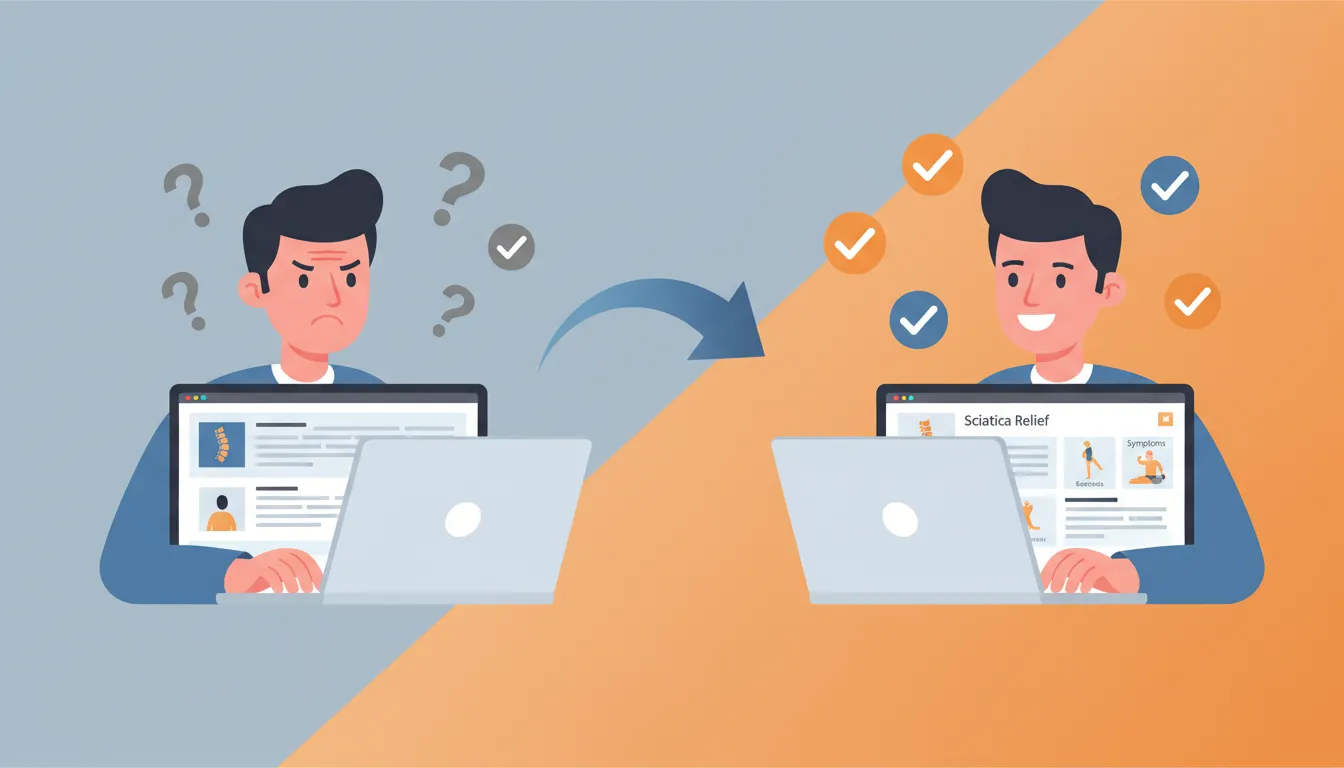

The one-size-fits-all chiropractic website has become a conversion killer.
Your competitors who figured this out? They're capturing the patients you're losing.
Let's keep it real. Think about what happens when someone Googles "sciatica treatment near me" at 10 PM because they can't sleep from leg pain.
They click on your site. And they see... the same homepage everyone else sees.
Stock photos of someone holding their lower back. Generic "we help families achieve optimal wellness" messaging. A services page listing 47 different conditions you treat.
That frustrated person just bounced to the next search result.
Now... this part matters.
Imagine a different scenario. Same search, same visitor. But when they land on your site, the headline reads "Stop Sciatica Pain Without Surgery."
They see a testimonial from someone describing the exact pain they're experiencing. The booking widget asks if they want to schedule a sciatica consultation. Every element speaks to their specific problem.
That's personalization. And it's the difference between a bounce and a booking.
The Numbers Don't Lie
The data backing personalization isn't subtle.
According to research on AI personalization, companies see a 26% average increase in conversion rates when implementing AI-driven personalization.
Personalized CTAs convert 202% better than generic ones.
92% of businesses are now using AI-driven personalization to drive growth.
The website personalization AI market tells the story too. Valued at $2.02 billion in 2024, it's projected to hit $6.62 billion by 2029—growing at 27% annually.
Businesses aren't pouring billions into something that doesn't work.
For service-based businesses like chiropractic practices, personalization hits even harder because of the trust factor. Patients aren't buying a commodity. They're choosing someone to help them with pain, mobility, and quality of life.
When your website demonstrates immediate understanding of their specific situation? You've cleared the biggest hurdle in the buying decision.
The AI Search Factor
Here's the kicker. AI-powered search is fundamentally changing how patients discover healthcare providers.
Google's AI Overviews now appear in 30% of U.S. desktop keywords as of late 2025—up from just 10% in March 2025.
For local business queries specifically? AI Overviews show up in over 40% of searches.
Patients increasingly see synthesized AI answers before they ever click on your website.
Chiropractors who dominate in 2026 need visibility not just on Google, but across the entire ecosystem of AI-powered search—ChatGPT, Claude, Perplexity, Google's AI Mode, voice assistants.
Your practice needs content that AI can cite when patients ask "Who's the best chiropractor for sciatica near me?"
But here's what most practices miss: getting the click is only half the battle.
Once visitors land on your site, personalization determines whether they bounce or book.
The practices winning in 2026 combine strong AEO (Answer Engine Optimization) to get found with smart personalization to convert visitors into patients.
How AI Website Personalization Actually Works
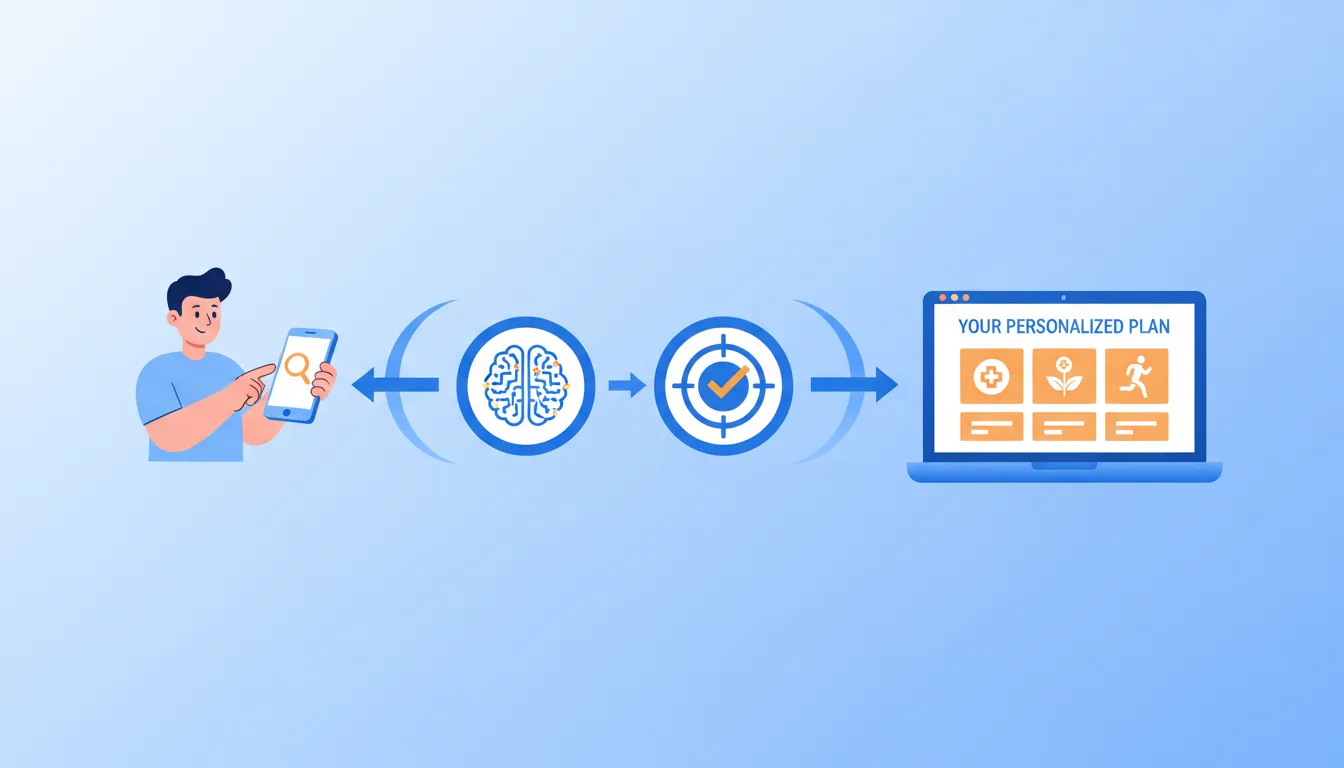
Alright, quick reality check: AI website personalization isn't magic.
It's a systematic process of detecting visitor attributes and serving content that matches their specific context.
Understanding the mechanics helps you implement strategically rather than randomly.
The core concept is super simple. Your website gathers data about each visitor—where they came from, what device they're using, their location, what pages they've viewed, and often their search intent based on the query that brought them.
Then, rules or AI algorithms figure out which version of your content to display.
Where Personalization Data Comes From
The personalization engine uses multiple signals to understand your visitor:
- Traffic Source (where they came from) - Did they click a Google ad for "neck pain treatment"? Come from a referral link on a local gym's website? Find you through Yelp? Each source signals different intent and expectations.
- Geographic Location (where they are) - Knowing a visitor's in your service area lets you display relevant location mentions, driving directions, and local testimonials. Visitors outside your area might see content for virtual consultations.
- Search Query Keywords (what they searched) - Someone who searched "chiropractor for sports injuries" should see your sports medicine experience emphasized—not pediatric care.
- Device and Time (how and when they're browsing) - Mobile visitors at 11 PM might see simplified content with prominent click-to-call buttons. Desktop visitors during business hours might see more detailed info.
- Previous Site Behavior (what they've done before) - Returning visitors who previously viewed your sciatica page can see sciatica-specific content even when landing on your homepage. Creates continuity across multiple visits.
Quiz or Survey Responses (what they've told you) - Interactive elements let visitors self-identify their condition, pain level, and goals. This explicit data powers the most accurate personalization because the visitor told you exactly what they need.
Types of Personalization That Work for Chiro Practices
Not all personalization is equal. Here's how different approaches stack up:
| Quiz-Based | Visitors complete brief assessment, see personalized results | Pain-specific lead capture, building segmented email lists | Easy |
| Conditional Content | Different headlines, images, or sections based on visitor attributes | Ad landing pages, returning visitors, geographic targeting | Easy-Medium |
| Dynamic Recommendations | AI suggests relevant services based on browsing behavior | Multi-service practices, upselling specialized treatments | Medium |
| Full Page Personalization | Entire landing pages adapt to visitor segments | High-traffic sites with significant ad budgets | Advanced |
For most chiropractic practices? Quiz-based personalization and conditional content deliver the highest ROI with the lowest complexity.
You don't need enterprise-grade technology to see meaningful results.
What Actually Gets Personalized
Every element on your website can potentially adapt:
- Headlines and Subheadings - "Get Relief from Chronic Back Pain" vs. "Sports Injury Recovery That Gets Athletes Back in the Game" based on detected intent.
- Hero Images - Show images relevant to the visitor's likely demographic or condition rather than generic stock photos.
- Testimonials - Display reviews from patients with similar conditions. Someone researching sciatica sees testimonials from sciatica patients.
- Call-to-Action Buttons - "Book Your Sciatica Consultation" converts better than "Schedule Appointment" when you know what they're researching.
- Service Descriptions - Emphasize different aspects of your care based on what matters to each visitor segment.
- Trust Elements - Show relevant certifications, specializations, or awards based on visitor context.
The key is relevance. Every personalized element should make the visitor think "this place gets my situation" rather than "this is just another generic healthcare provider."
NEED MORE CLIENTS?
Free conversion-focused analysis uncovers the 3 biggest problems killing your bookings — we'll walk you through your results personally
Building Your Personalization Strategy Step-by-Step
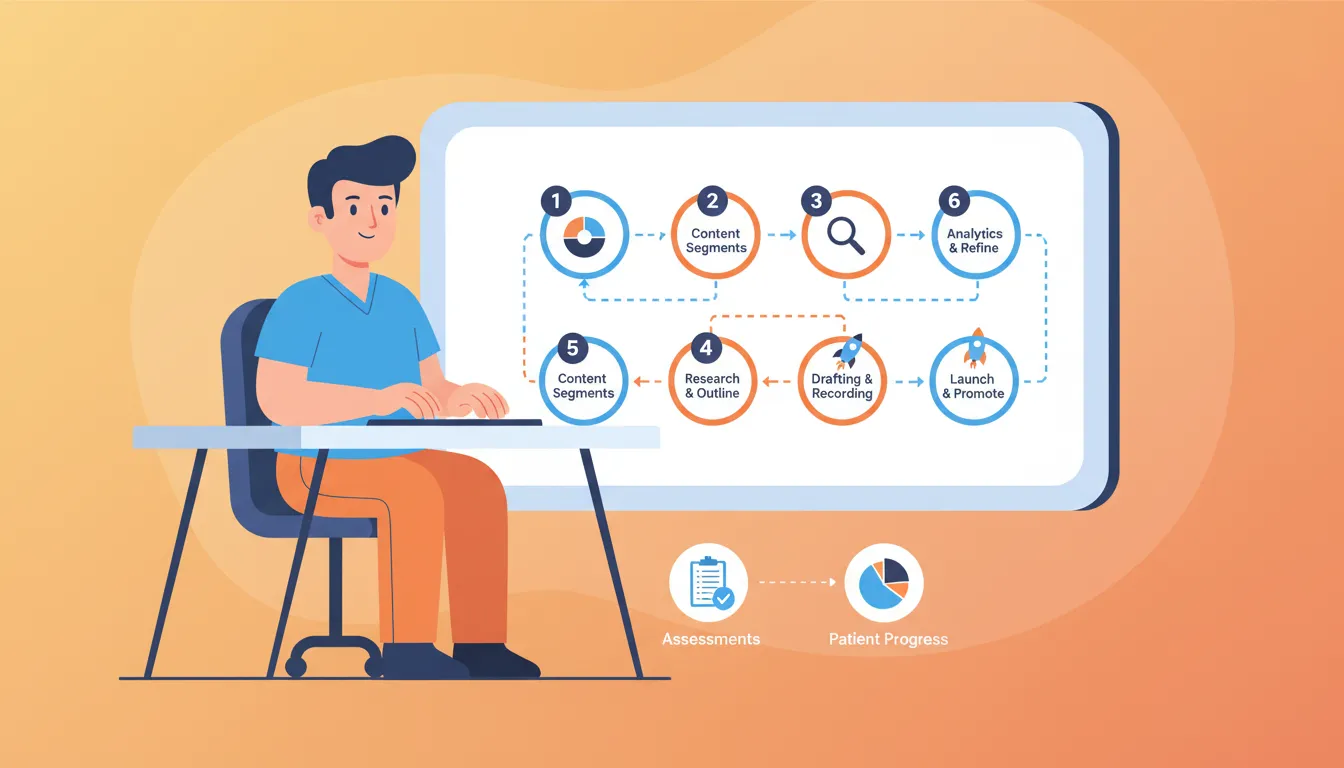
Don't try to personalize everything at once.
The practices that succeed start focused and expand based on results.
Here's the strategic approach that actually works.
Step 1: Identify Your Highest-Value Visitor Segments
Before touching any technology, define who you're personalizing for.
Not every visitor segment deserves custom content—focus on the segments that drive revenue.
For most chiropractic practices, high-value segments include:
- Condition-Specific Searchers (sciatica, neck pain, headaches, sports injuries) - These visitors have identified their problem and are actively seeking solutions. Immediate booking potential.
- Auto Accident Victims - High-value cases that often require extensive care plans. Different needs than general pain patients.
- Athletes and Fitness Enthusiasts - Often cash-pay patients who value performance optimization, not just pain relief.
- Referral Traffic from Partner Businesses - Visitors from gym websites, PT referrals, or doctor recommendations already have some trust established.
- Previous Website Visitors - People who've already explored your site but didn't book. They need different messaging than first-timers.
Pick 2-3 segments to start. More is not better when you're beginning.
Step 2: Map Content to Each Segment
For each segment, document what would make your website more relevant:
| Sciatica Sufferers | "Finally End the Pain Shooting Down Your Leg" | Sciatica success stories | "Book Sciatica Consultation" |
| Auto Accident Cases | "Been in a Car Accident? Get Evaluated Now" | Accident recovery testimonials | "Schedule Injury Evaluation" |
| Athletes | "Get Back to Peak Performance Faster" | Testimonials from local athletes | "Schedule Sports Consultation" |
| Returning Visitors | Recognition of previous interest | Related to previously viewed content | "Ready to Book? Here's Your Next Step" |
This mapping exercise reveals what content you need to create and what existing content can be repurposed.
Step 3: Choose Your Starting Technology
Don't over-engineer this. Start with tools matching your current technical capabilities.
For Beginners (No Dev Skills):
RightMessage offers quiz funnels with visual flow builders. You can create engaging assessments that segment visitors by condition, then show personalized recommendations and capture emails.
Quiz completion rates average 80%+ because the experience feels conversational rather than form-filling.
If-So is a WordPress plugin that displays different content based on visitor attributes—location, referral source, device type, time of day. No coding required, just point-and-click rules.
For Intermediate Users (Some Tech Comfort):
OptiMonk combines popups, embedded content, and personalization rules. Strong for urgency-based messaging and exit-intent offers.
For Advanced Implementations (Bigger Budgets):
Mutiny provides AI-powered account-based personalization at scale. Starting around $1,000/month, it's designed for B2B but works for sophisticated healthcare practices.
Optimizely offers enterprise-grade experimentation and personalization with HIPAA-ready healthcare solutions.
Most solo practices and small clinics should start with quiz-based personalization through RightMessage or similar. Immediate value without technical complexity.
Step 4: Create Your First Personalized Experience
Start simple. Here's a low-risk, high-reward first project:
The Condition Quiz Funnel
Create a 5-question quiz helping visitors identify their condition and get personalized recommendations:
- "What brings you here today?" (Back pain, Neck pain, Headaches, Sports injury, Auto accident, General wellness)
- "How long have you been experiencing this?" (Less than 2 weeks, 2-4 weeks, 1-3 months, More than 3 months)
- "How would you rate your pain on a typical day?" (1-3 Mild, 4-6 Moderate, 7-10 Severe)
- "Have you tried chiropractic care before?" (Yes - loved it, Yes - wasn't sure about results, No - first time)
- "What's most important in choosing a chiropractor?" (Convenient location, Expertise in my condition, Same-day appointments, Insurance acceptance)
Based on responses, show personalized results pages with relevant content and booking CTAs.
Capture their email for follow-up sequences tailored to their specific situation.
This single implementation can significantly boost your lead capture while building segmented email lists that support stopping no-show revenue leaks through personalized appointment reminders.
Symptom-Specific Personalization That Actually Converts
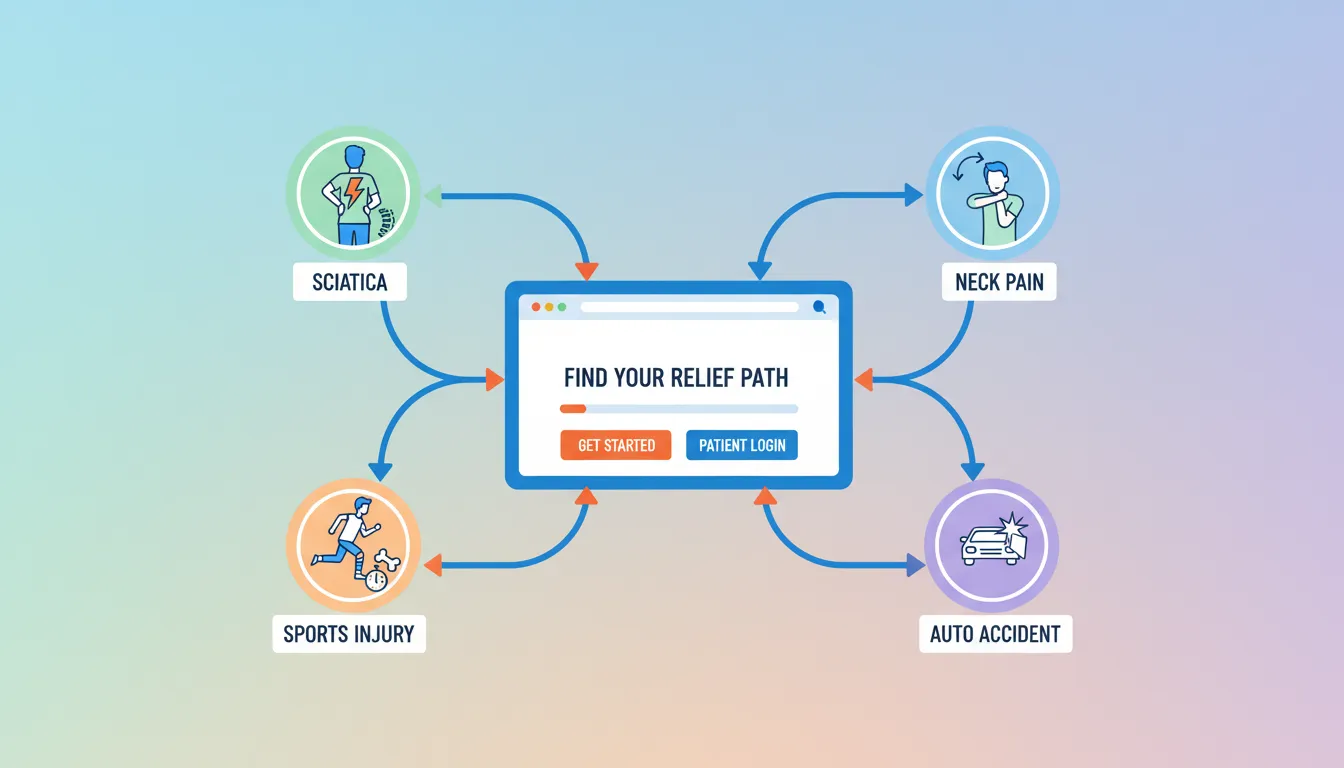
The most powerful personalization for chiropractors is condition-specific.
When someone in pain finds content that speaks directly to their situation? Conversion rates skyrocket.
Sciatica Personalization Example
Sciatica patients have specific fears, questions, and decision criteria.
Here's how to personalize for them:
Personalized Homepage Elements:
- Headline: "Stop Sciatica Pain Without Surgery" (instead of generic "Comprehensive Chiropractic Care")
- Hero image: Person experiencing leg pain or getting relief (not generic adjustment photo)
- Testimonial rotation: Only show reviews from sciatica patients
- CTA: "Book Your Sciatica Evaluation" (not "Schedule Appointment")
What Sciatica Patients Actually Want to Know:
- Will this treatment actually work for nerve pain?
- How long until I feel relief?
- Do I need surgery?
- Can I keep working during treatment?
Your personalized experience should address these concerns front and center—not bury them in generic FAQ sections.
Personalized Follow-Up:
After a sciatica-identified visitor provides their email, follow-up sequences should continue the condition-specific conversation:
- Email 1: Sciatica-specific relief tips they can try immediately
- Email 2: Case study of a similar sciatica patient's recovery
- Email 3: What to expect at their first sciatica evaluation
- Email 4: Limited-time offer for sciatica consultation
This segmented approach delivers way better results than generic "schedule your appointment" drip campaigns.
Building Content Libraries for Personalization
Personalization requires content variations. Here's how to build your library efficiently:
Create a master content document for each major condition you treat. Each document includes:
- 3-5 headline variations
- 3-5 subheadline variations
- Condition-specific testimonial selections
- FAQ section addressing condition-specific questions
- Treatment approach description tailored to that condition
- CTA button text variations
Once you have these libraries, setting up personalization rules becomes simple content swapping rather than constant content creation.
For practices without extensive existing content? Prioritize building condition-specific content for your highest-value services first.
If decompression therapy is your most profitable service, create robust personalization assets for decompression patients before worrying about general wellness content.
Ready to See How We Fix Chiropractic Websites?
We've transformed 150+ service-based websites using our proven 4-step system. See exactly how we combine premium design with conversion science.
Connecting Personalization to Your Patient Acquisition System
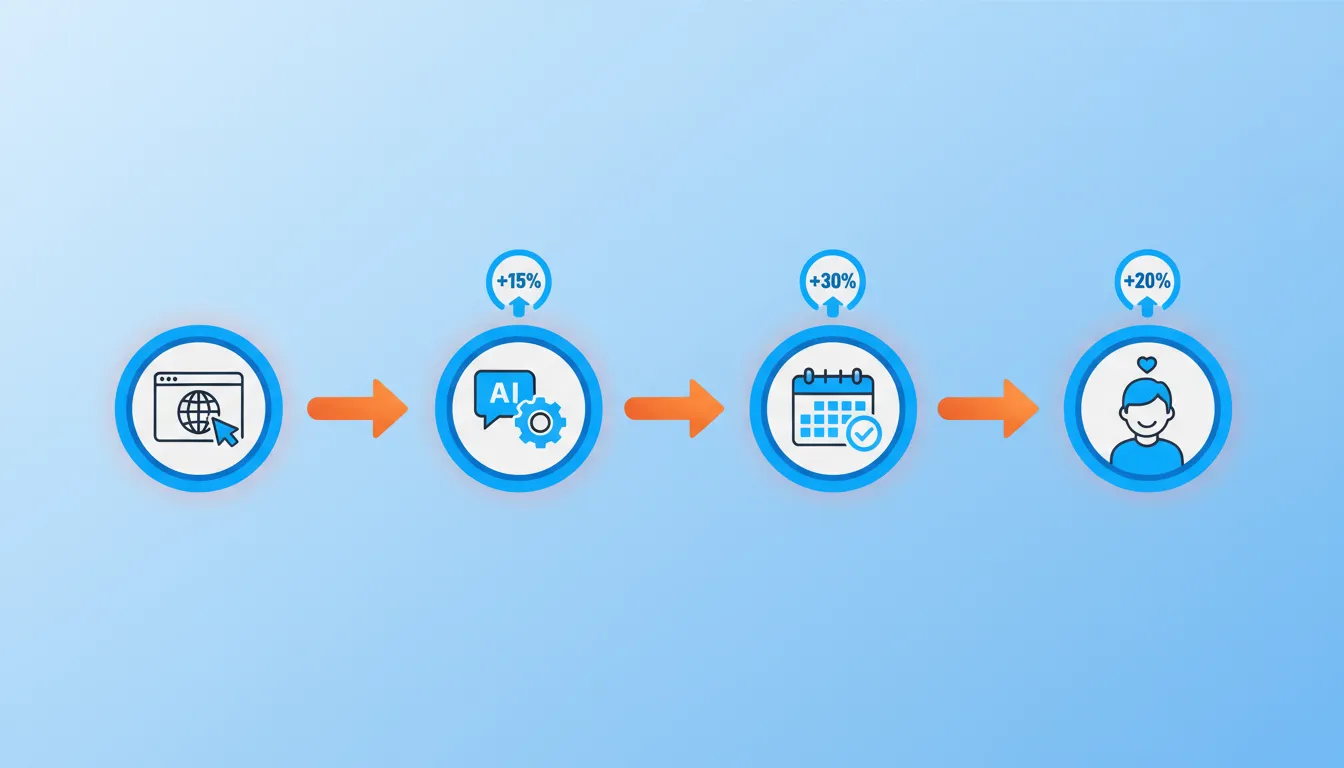
Website personalization works best when integrated into your complete patient acquisition ecosystem.
A personalized website that feeds into generic follow-up systems? Wastes much of its potential.
The Integrated Approach
Here's how leading practices connect personalization across touchpoints:
Website → Email Marketing Integration
When visitors complete quizzes or engage with personalized content, that data should flow to your email platform.
Most personalization tools integrate directly with email services like ActiveCampaign, Mailchimp, or ConvertKit.
This enables:
- Segmented welcome sequences based on identified condition
- Personalized appointment reminder content
- Targeted reactivation campaigns for specific patient types
- Writing effective chiro reminders that reference the patient's specific treatment goals
Website → AI Chatbot Integration
Modern chiropractic AI chatbots can receive personalization context and continue condition-specific conversations.
Instead of starting from zero, the chatbot knows the visitor was researching sciatica treatment and can provide relevant answers immediately.
Website → Booking System Integration
Personalized CTAs should connect to booking flows that maintain relevance:
- Pre-filled appointment type based on identified condition
- Provider matching based on specialization
- Appointment slot filtering based on stated urgency level
- Confirmation messaging that continues the personalized conversation
Measuring Personalization ROI
You can't improve what you don't measure. Track these metrics for each personalized experience:
| Quiz Completion Rate | Is the experience engaging? | 60-80%+ |
| Personalized vs. Generic Conversion | Is personalization actually working? | 20-50% lift over generic |
| Segment-Specific Conversion | Which segments convert best? | Varies - optimize over time |
| Email Capture Rate | Is personalization driving lead gen? | 5-15% of visitors |
| Booking Rate from Personalized Pages | Is this producing appointments? | 3-10% of engaged visitors |
Set up proper tracking from day one. Most personalization platforms include analytics, but you'll want to connect this data to your overall marketing dashboard to see the complete picture.
HIPAA Compliance and Privacy (Without the Panic)

Let's tackle the elephant in the room.
Chiropractors worry about HIPAA when implementing any tech that handles patient info.
Here's the practical reality.
What You Actually Need to Know
Most AI website personalization is HIPAA-compliant by design because it doesn't handle Protected Health Information (PHI).
The personalization happens based on:
- Search behavior (what they Googled)
- Traffic source (where they came from)
- Geographic location (general area)
- Device information
- Anonymous quiz responses before identity collection
None of this constitutes PHI under HIPAA definitions.
You're personalizing based on behavioral signals, not medical records.
Where HIPAA Actually Matters:
HIPAA becomes relevant when personalization connects to:
- Existing patient records
- Appointment histories
- Treatment information
- Insurance data
- Communications about specific health conditions tied to identified individuals
If you're personalizing based on "this anonymous visitor answered quiz questions about sciatica," that's fine.
If you're personalizing based on "John Smith's electronic health record shows he has sciatica," that requires HIPAA compliance.
Sound fair?
Platform Selection for Healthcare
When evaluating personalization platforms, look for:
- Business Associate Agreement (BAA) availability - Even if your current use doesn't require it, having the option provides flexibility as you scale.
- Data handling transparency - Understand where data is stored, who can access it, and how it's protected.
- Healthcare customer references - Platforms serving other healthcare organizations have already solved compliance puzzles.
Optimizely's HIPAA-ready healthcare solution represents the gold standard for practices wanting enterprise-grade compliance built in.
For smaller practices, platforms like RightMessage work entirely with first-party data you control.
Practical Compliance Steps
For most chiropractic practices implementing website personalization:
- Keep personalization separate from EHR data - Don't connect your personalization tools to ChiroTouch, Jane, or other practice management systems.
- Get a BAA if the platform offers one - It costs nothing and provides protection.
- Use anonymized segments rather than individual tracking where possible - "Sciatica interested visitors" rather than "John Smith who has sciatica."
- Include privacy disclosures - Let visitors know you use cookies and personalization technology.
- Provide opt-out mechanisms - Let privacy-conscious visitors experience your site without personalization.
Here's the bottom line: Don't let HIPAA concerns paralyze you.
Basic website personalization operates in a space that doesn't typically involve PHI.
If you're unsure about a specific implementation, consult with a healthcare compliance professional.
Tools Comparison for Chiropractic Practices
Choosing the right tool matters.
Here's an honest comparison of platforms that actually work for chiropractic practices at different stages.
Tool Comparison Matrix
| RightMessage | Quiz funnels, email segmentation | ~$99/month | Easy | Excellent |
| If-So | WordPress conditional content | ~$139/year | Easy | Good |
| OptiMonk | Popups, exit intent, personalization | ~$39/month | Easy-Medium | Good |
| Mutiny | AI-powered full personalization | ~$1,000/month | Medium | Good |
| Optimizely | Enterprise experimentation | Custom pricing | Advanced | Excellent - HIPAA-ready |
| VWO | A/B testing with personalization | ~$99/month | Medium | Good |
Recommendations by Practice Size
Solo Practitioners and Small Clinics (1-2 Providers):
Start with RightMessage for quiz-based personalization.
The visual flow editor makes creating condition assessment quizzes straightforward. Integration with email platforms means quiz responses automatically segment your list for personalized follow-up sequences.
Budget: $100-150/month for meaningful personalization capability.
Multi-Provider Practices:
Consider OptiMonk or VWO for more sophisticated conditional content and A/B testing.
You'll want to test different personalization approaches to find what converts best for your specific patient demographics.
Budget: $150-300/month with dedicated time for testing and optimization.
High-Growth Practices with Marketing Teams:
Mutiny or Optimizely provide AI-powered personalization and experimentation capabilities justifying their higher price points.
These platforms excel when you have significant traffic and dedicated staff to maximize features.
Budget: $1,000-5,000/month depending on traffic and features required.
What to Avoid
A few patterns that lead to personalization failure:
- Starting with enterprise tools when you don't have enterprise traffic or resources - You'll pay for capabilities you can't fully utilize.
- Trying to personalize everything at once - Complexity kills execution. Start with one high-value segment and expand.
- Choosing platforms without proper analytics - If you can't measure lift, you can't prove ROI or know what to optimize.
- Ignoring mobile experience - Most healthcare searches happen on mobile devices. Ensure personalization works seamlessly across devices.
Forgetting about page speed - Complex personalization scripts can slow your site. Choose tools optimized for performance.
The AEO Connection: Getting Found by AI Search
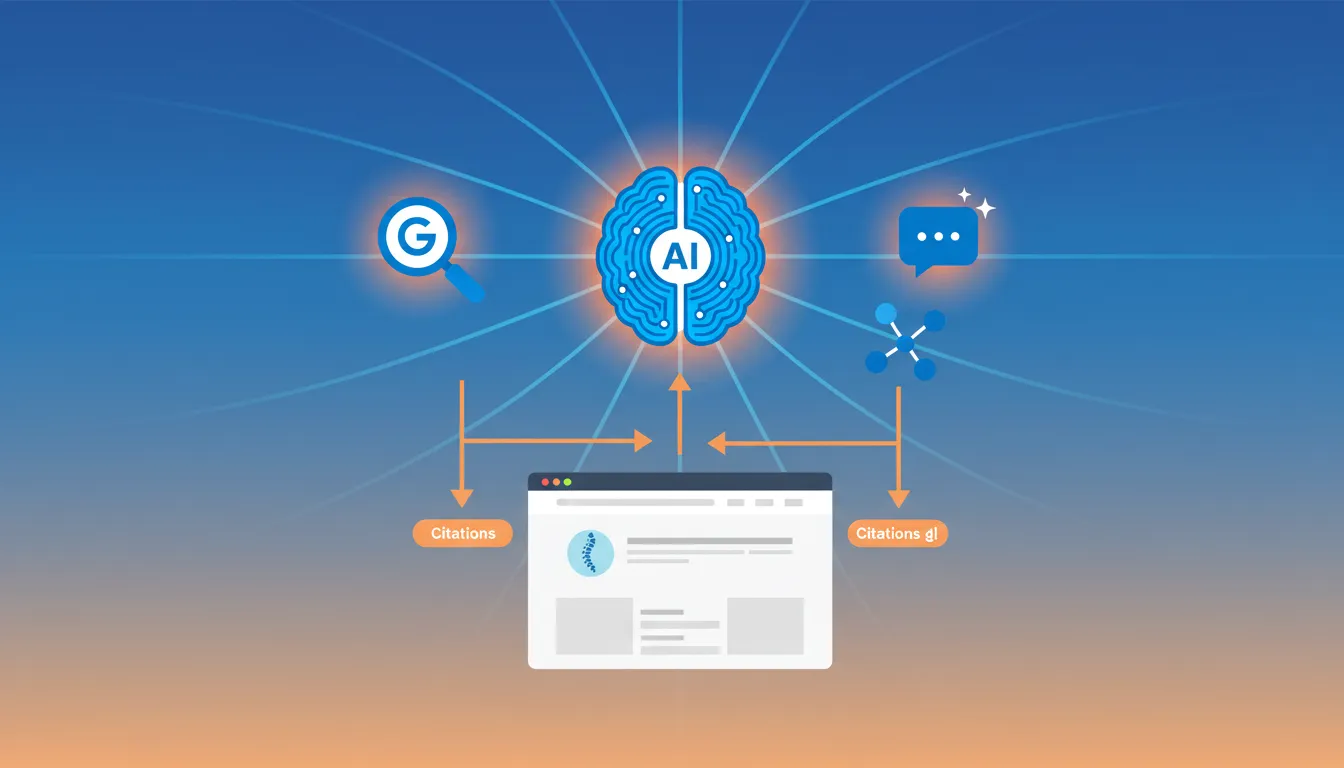
Website personalization converts visitors. But you need visitors first.
In 2026, that increasingly means being cited by AI search engines—not just ranking on Google's traditional results.
Why AEO Matters Now
Answer Engine Optimization (AEO) focuses on making your content the source AI assistants cite when patients ask questions.
This matters because:
- Google AI Overviews now appear in 30% of desktop searches, up from 10% just months earlier
- ChatGPT, Claude, Perplexity, and other AI assistants increasingly guide healthcare decisions
- Patients asking "Who's the best chiropractor for migraines near me?" expect AI to synthesize recommendations
- Voice search through Alexa, Siri, and Google Assistant uses the same AI systems
Traditional SEO alone no longer guarantees visibility.
Your content needs to be structured for AI extraction and citation.
Connecting Personalization and AEO
Here's the strategic insight most practices miss: personalization and AEO serve different but complementary purposes.
AEO gets you found by AI search systems by:
- Creating comprehensive, authoritative content on specific conditions
- Implementing proper schema markup (MedicalBusiness, FAQPage, HowTo)
- Building entity recognition as THE chiropractor for specific conditions in your area
- Earning citations and mentions across trusted sources
Personalization converts those AI-referred visitors by:
- Immediately confirming their search intent was correctly matched
- Displaying content that continues the conversation AI started
- Removing friction between discovery and booking
The practices dominating local markets in 2026? They execute both strategies.
They create pillar content optimized for AI citation, then personalize the landing experience for visitors who arrive from AI-referred sources.
Schema Markup for Personalized Pages
When implementing personalization, maintain strong schema markup:
- LocalBusiness schema on all pages (consistent NAP data)
- MedicalCondition schema on condition-specific content
- FAQPage schema for question-answer content AI loves to cite
- HowTo schema for treatment process explanations
- Review schema to highlight patient testimonials
The personalization layer sits on top of this foundation.
Your personalization rules might change which testimonials display, but the underlying schema structure remains consistent for AI crawlers.
For deeper strategies on building authority that AI search recognizes, focus on creating comprehensive condition-specific pillar content. This supports both AEO visibility and provides robust content for personalization variations. For more on scaling your chiropractic practice in 2025, check out our complete guide.
Frequently Asked Questions About Chiropractic Website Personalization
What is AI website personalization for chiropractors?
AI website personalization uses artificial intelligence to dynamically adjust your website content based on visitor data—location, search intent, previous behavior, and the specific pain condition they're researching.
Instead of showing every visitor the same static homepage, the website automatically displays content relevant to each person.
Someone searching "sciatica relief near me" sees sciatica-specific information. Someone from a local gym's referral link sees sports injury content.
It's like having a front desk person who instantly knows why each patient walked in.
How does dynamic content increase patient conversions?
Dynamic content increases conversions by eliminating the friction between what visitors want and what they see.
When someone lands on your page and immediately sees headlines, testimonials, and calls-to-action that match their specific problem? They don't have to hunt for relevance.
The psychological effect is powerful—the visitor feels understood rather than processed.
McKinsey research shows personalization can drive 10-15% revenue lift, with some implementations hitting 25% improvements. Personalized CTAs alone convert 202% better than generic ones.
That's not a typo.
Is AI website personalization HIPAA compliant?
Here's the thing—most AI personalization is HIPAA-compliant by design because it doesn't touch Protected Health Information.
The personalization happens based on search terms, location, and referral source—not medical records. You're not connecting to your EHR. You're just showing different headlines based on what someone Googled.
That said, if you want extra protection, platforms like Optimizely now offer HIPAA-ready solutions with Business Associate Agreements.
But for basic website personalization? You're probably fine.
How much does it cost to implement AI on a chiropractic website in 2026?
Costs vary wildly.
Entry-level quiz-based personalization through RightMessage runs about $99-149/month. Mid-tier solutions like If-So or OptiMonk cost $30-200/month for WordPress sites. Enterprise platforms like Mutiny start around $1,000-2,200/month.
Most solo practices can get meaningful results in the $100-300/month range by starting with quiz funnels and conditional content.
Do the math—if personalization generates even 2-3 extra patients monthly worth $1,500-3,000+ lifetime value each, it pays for itself many times over.
Can I personalize my website for different types of pain conditions?
Absolutely—this is where personalization really shines for chiro practices.
You can create totally different experiences for sciatica sufferers, neck pain patients, sports injury cases, and auto accident victims.
Using quiz funnels or traffic source detection, your site figures out which condition someone's researching and then displays relevant headlines, testimonials from patients with similar conditions, and treatment info specific to their situation.
It's pretty damn effective.
Does website personalization help with local SEO and AEO?
Personalization complements SEO and AEO rather than directly impacting them.
Your core content still needs proper schema markup, comprehensive condition-specific pages, and strong Google Business Profile optimization.
But personalization significantly improves what happens AFTER visitors land on your site. Better engagement, lower bounce rates, and higher conversion rates send positive signals.
The combo of strong AEO (to get found) and effective personalization (to convert) is what separates practices dominating their markets from everyone else.
What are the best tools for chiropractic website personalization?
Depends on your tech comfort and budget.
For quiz-based personalization and audience segmentation, RightMessage is solid with its visual flow editor and email platform integration.
For WordPress sites, If-So and OptiMonk offer conditional content without heavy development.
Mutiny provides robust AI-powered personalization for practices with bigger marketing budgets.
Optimizely offers enterprise-grade solutions with HIPAA-ready features.
Start simple with quiz funnels to segment visitors by condition, then expand from there.
Do I need a new website to use AI personalization?
Nope.
Most personalization tools work as overlays or plugins on your existing site. Platforms like RightMessage and If-So install via a simple JavaScript snippet—similar to adding Google Analytics.
You're adding a layer of intelligence on top of what already exists.
But here's the catch—you need decent foundational content for personalization to work with. You can't personalize content that doesn't exist.
If your site lacks condition-specific pages and compelling testimonials, build that first.
Your Personalization Action Plan
Website personalization isn't optional for competitive chiropractic practices in 2026.
The technology is accessible. The ROI is proven. Your competitors are implementing it now.
Here's your practical action plan:
This Week: Identify your 2-3 highest-value patient segments. For most practices, that means specific conditions (sciatica, neck pain, headaches) and specific traffic sources (Google ads, referral partners).
This Month: Set up a simple quiz funnel using RightMessage or similar. Create a 5-question assessment that segments visitors by condition and captures emails for personalized follow-up.
This Quarter: Implement conditional content variations for your top segments. Create condition-specific headlines, testimonials, and CTAs. Measure conversion lift versus generic experiences.
Ongoing: Expand personalization as you learn what works. Test new variations, add segments, and integrate personalization data with your email marketing and patient communication systems for a complete patient acquisition engine.
The practices that master personalization today will dominate their local markets as AI search continues disrupting how patients discover healthcare providers.
Look, I get it—you've read through this guide thinking "this all makes sense, but who has time to implement all this while running a practice?"
You're not alone. Most successful chiropractors we work with felt the same way before they realized their website was quietly costing them 15-20 qualified patient leads every single month.
That's why we created our Free Website Conversion Analysis. It's not a sales pitch—it's a genuine walkthrough of the 3 biggest problems killing your bookings, delivered personally via Loom video within 24 hours.
We'll show you exactly:
- Why visitors leave without booking
- What's broken on mobile devices (where most searches happen)
- Missing trust signals costing you patients
- Where you rank vs. local competitors
- Simple fixes that drive more calls this month
You'll also get an instant case study while you wait, showing real examples of how other chiropractors fixed these exact problems.
Get your free analysis here — no credit card, no obligation, just actionable insights you can use whether you work with us or not.
Because every day your website shows the same generic content to visitors with totally different needs? That's another day competitors with personalized experiences are booking the patients you should be seeing.

Gerek Allen
Co-Owner iTech Valet
Entrepreneur, patriot, CrossFit junkie, IPA enthusiast, loves to travel to tropical destinations, and knows way too many movie quotes.


About iTech Valet
iTech Valet specializes in web design and content marketing for online entrepreneurs who want to share their expertise.
Services Include:
- Web Design
- Graphic Design
- Sales Copy
- Funnel Building
- Authority Sites
- Membership Sites
- Course Creation
- Email Systems
- Content Marketing
- Competitive Analysis
- Tech Integrations
- Strategic Planning
NEED MORE CLIENTS?
Free conversion-focused analysis uncovers the 3 biggest problems killing your bookings — we'll walk you through your results personally

621 Enterprises, Inc. | Copyright 2022 | All rights reserved