The Old Game: Keyword Rankings and the List Economy
Here’s what most chiropractors don’t realize: the SEO model they paid agencies thousands for was built for patient behavior that doesn’t exist anymore.
For 15 years, search engine optimization worked. You hired someone to stuff keywords into your website, build some backlinks, maybe write a few blog posts about “back pain relief.” The goal was simple: get your practice on page one of Google.
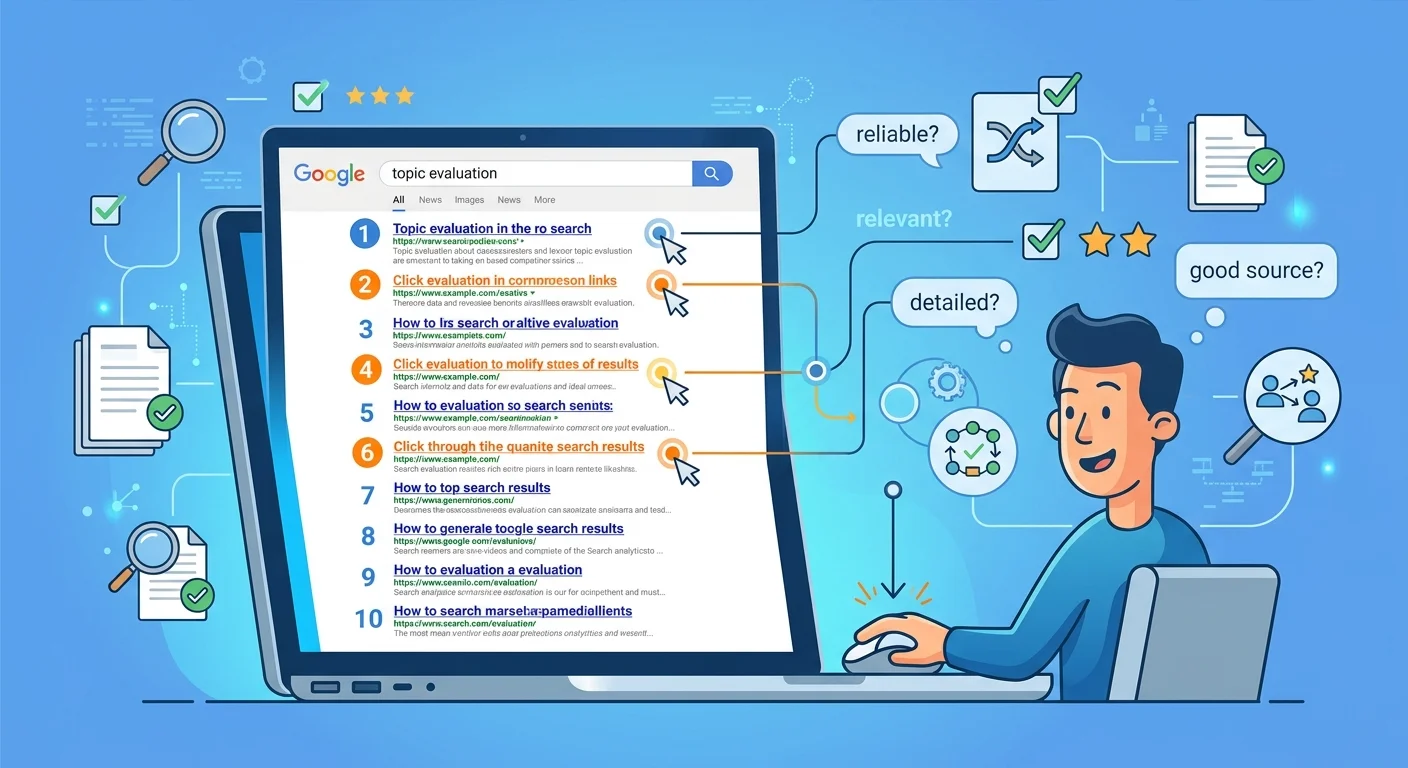
That’s the List Economy. Patients Googled. They saw ten options. They clicked through three or four. They chose.
If you were on that list, you had a shot.
How Keyword Rankings Worked
Traditional SEO optimized for relevance.
Google’s algorithm looked at your website and asked: does this page match what the user typed?
It evaluated keyword density. Backlinks. Meta tags. On-page optimization.
The better you matched the query, the higher you ranked.
According to Search Engine Journal, this keyword-centric model treated websites as collections of text strings – not as real-world entities with verifiable identities.
Your practice wasn’t a trusted business in Google’s eyes. It was a URL with the word “chiropractor” in the right places.
It worked because patients evaluated the list themselves. Google didn’t need to verify your credentials. It just needed to show you as an option.
The List Economy
The patient behavior that made keyword rankings valuable is dead.
Here’s how it used to work:
Patient has back pain. Patient Googles “chiropractor near me.” Google shows ten results. Patient clicks the first one. Doesn’t like the vibe. Clicks the second. Still not convinced. Clicks the third. Reads a few reviews. Books an appointment.
That evaluation loop made traffic the primary metric.
If you got 500 visitors a month from search, and 5% booked, you got 25 new patients. The more traffic, the more bookings.
Agencies sold you on increasing your traffic by moving up the rankings.
But patient bookings matter more than clicks now – because patients aren’t clicking through lists anymore. They’re asking AI for a verdict.
And if you’re not the verdict, the traffic doesn’t matter.
Why Chiropractors Invested in SEO
Because it worked.
From 2008 to 2022, keyword-based SEO was the most reliable marketing channel for local service businesses. You could measure it. You could predict it. You spent $1,000 a month on SEO, you got 300 clicks, you booked 15 patients, you made $9,000.
The ROI was clear.
Practices that ranked on page one dominated their markets. Practices that didn’t rank were invisible.
So agencies built an entire industry around one promise: we’ll get you on page one.
And for a long time, that promise delivered.
| Goal | Tactics | Metrics |
|---|---|---|
| Appear on page one of Google search results | Keyword optimization, backlink building, meta tag tuning, on-page SEO | Keyword rankings, organic traffic, click-through rate |
| Drive traffic to the website | Content creation targeting high-volume keywords, local directory listings | Monthly visitors, pageviews, time on site |
| Convert traffic into patient bookings | Call tracking, contact form optimization, mobile-friendly design | Conversion rate, cost per lead, cost per patient |
That was the old game.
It’s over.
The New Game: Entity Trust and the Recommendation Economy
AI answer engines don’t present options.
They present verdicts.
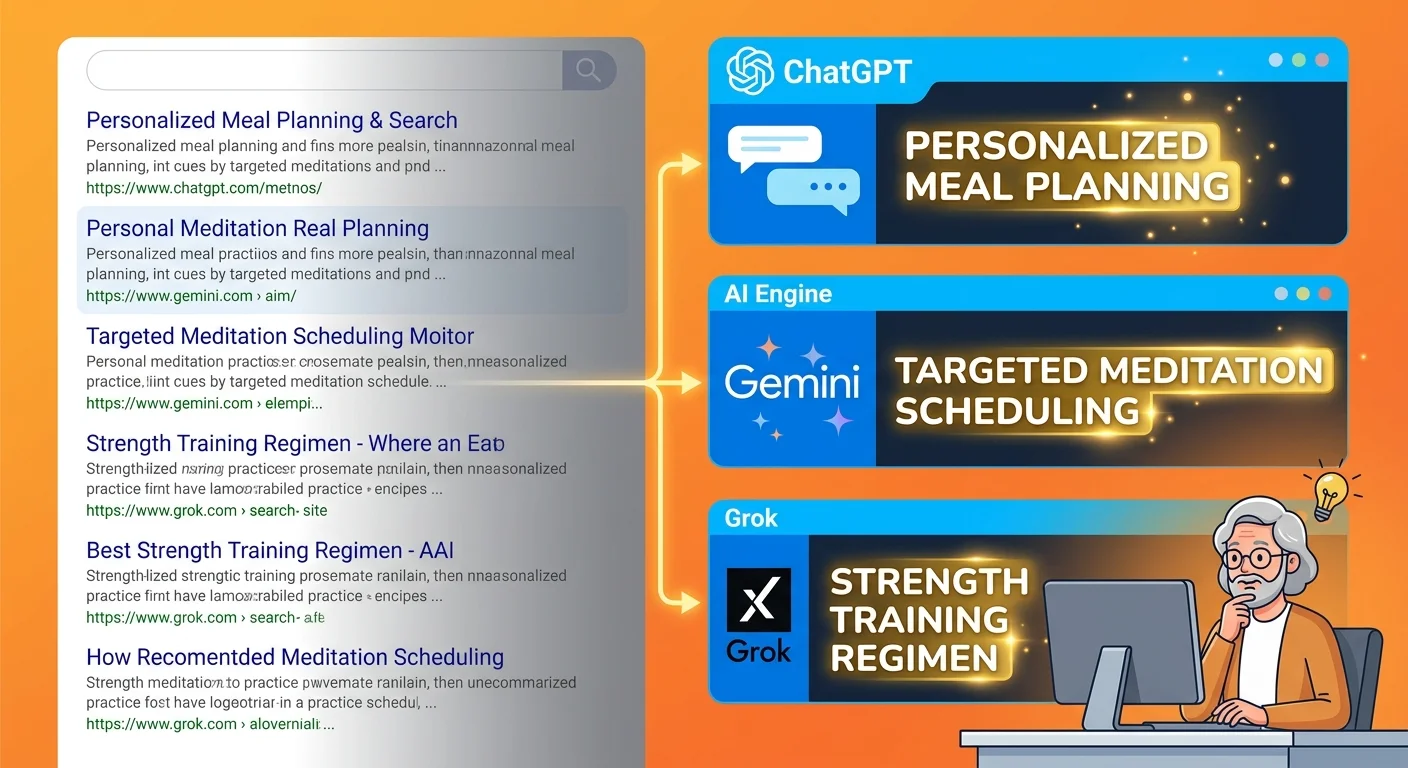
When a patient asks ChatGPT or Gemini “who’s the best chiropractor near me,” the engine doesn’t return ten blue links. It names one practice. Maybe two. It explains why that practice is trustworthy. It might even summarize their approach, pull a quote from their website, tell the patient what to expect.
The patient doesn’t evaluate. The AI already did.
That’s the Recommendation Economy. And it runs on Entity Trust, not keyword rankings.
According to SparkToro (Similarweb data), zero-click searches – where the user gets the answer without leaving the AI interface – now dominate patient discovery behavior. Patients aren’t Googling and clicking. They’re asking and booking.
If your practice isn’t the answer AI gives, you don’t exist.
What Entity Trust Measures
Entity Trust isn’t about relevance.
It’s about confidence.
AI engines evaluate whether a business is trustworthy enough to recommend as a direct answer. Not whether your website mentions “chiropractor” 47 times. Whether the AI can verify that you are who you claim to be, that you do what you say you do, and that other trusted sources confirm it.
Google’s E-E-A-T framework – Experience, Expertise, Authoritativeness, Trustworthiness – is the foundation. Google built E-E-A-T to evaluate content quality for human users. AI engines use the same principles to decide which businesses are credible enough to cite.
High Entity Trust = AI recommends you by name.
Low Entity Trust = AI recommends your competitor.
How AI Engines Build Entity Trust
AI doesn’t guess.
It verifies.
Here’s what it checks:
- Structured data – Does your website use schema markup to define your business type, services, location, and credentials in machine-readable code?
- NAP consistency – Is your Name, Address, and Phone identical across your website, Google Business Profile, Yelp, Healthgrades, and every other directory?
- Citations from trusted entities – Do other businesses, directories, or institutions that AI already trusts mention or link to you?
- Content depth and sourcing – Does your content answer patient questions fully and cite verifiable sources, or is it thin, generic, and unsourced?
- Verification loops – Can AI cross-reference your claims across multiple sources and find consistency, or do different platforms contradict each other?
If any of these signals are weak or missing, Entity Trust collapses.
And when Entity Trust collapses, missing schema hides your expertise from AI engines entirely – even if your website is beautifully designed and ranks on Google.
Why Recommendations Replace Rankings
“But Google still sends me traffic. So this doesn’t matter yet.”
I’ve heard that objection from every chiropractor who thinks they’re safe because their website ranks.
Here’s the problem with that logic: Google traffic is a lagging indicator.
Yes, traditional search still exists. But patient behavior is shifting fast. According to DataReportal’s Digital 2024 report, users are increasingly turning to AI-powered tools for answers instead of traditional search engines.
The patients still Googling and clicking through lists are older, less tech-savvy, and shrinking as a percentage of your market every month.
The patients who are using AI – younger, tech-comfortable, decision-ready – are asking ChatGPT and Gemini for recommendations. And they’re booking with whoever gets named.
Waiting until Google traffic dries up completely before addressing Entity Trust isn’t a neutral position.
It’s a choice to cede the future to the practices that moved early.
| Goal | Signals Evaluated | Outcome |
|---|---|---|
| Be recommended as the trusted answer by AI engines | Schema markup, NAP consistency, trusted citations, content depth, verification loops | Named by ChatGPT, Gemini, Grok as the answer to “who should I trust?” |
| Build long-term authority that compounds | Ongoing AEO content, entity signal reinforcement, updated structured data | AI visibility increases month over month, competitors fade |
| Convert zero-click searches into bookings | Direct recommendations eliminate evaluation friction, patients book without comparing | Higher conversion rate, shorter decision cycle, stronger patient trust |
The old game rewarded visibility in a list.
The new game rewards being the answer.
Why High Keyword Rankings Do Not Guarantee AI Visibility
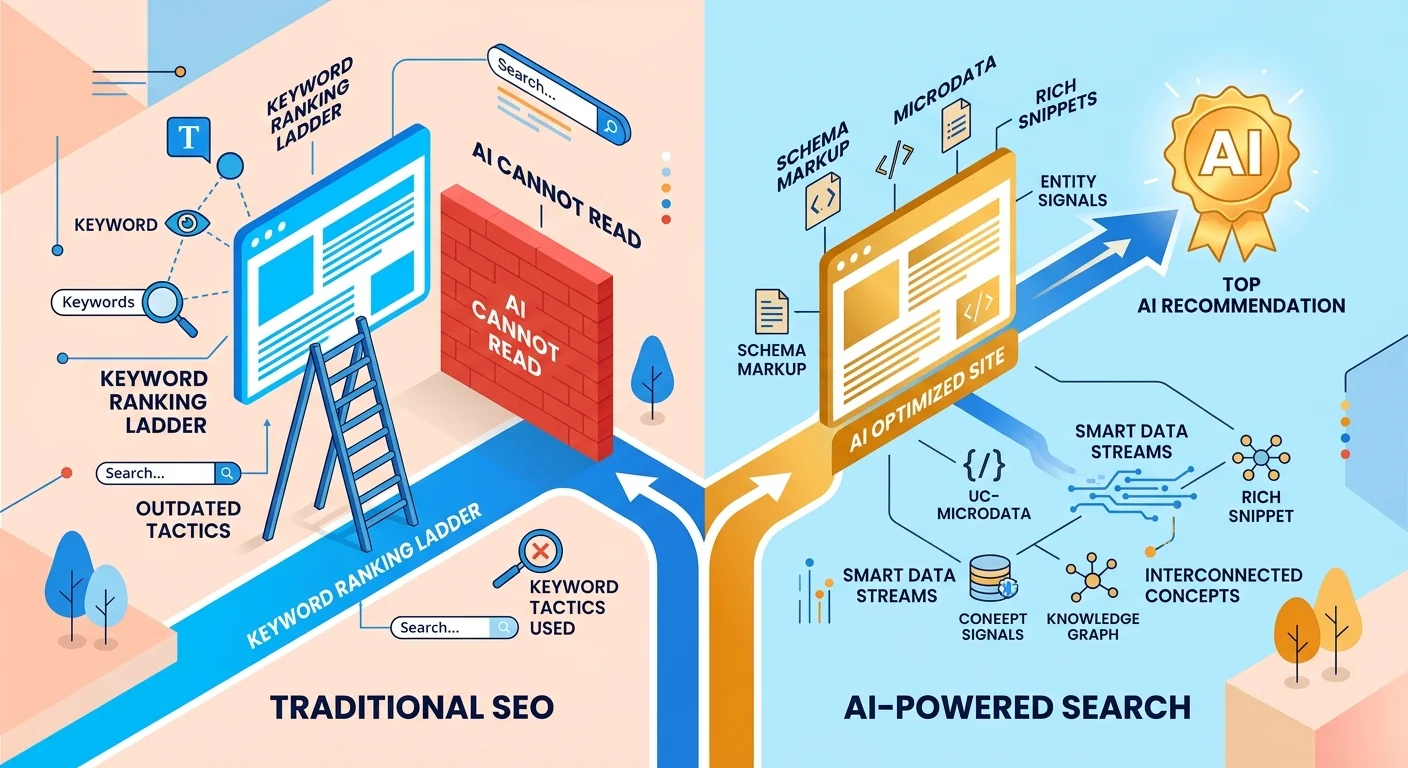
You can dominate Google and be completely invisible to AI.
I’ve seen it over and over. A chiropractic practice ranks #1 for “chiropractor [city]” on Google. Their SEO agency sends them a monthly report showing 2,000 organic visits. The practice owner thinks they’re winning.
Then a patient asks ChatGPT “who’s the best chiropractor near me” and hears a competitor’s name.
Not theirs.
That’s the disconnect. Keyword rankings and Entity Trust evaluate completely different things. A practice can crush traditional SEO and still have zero machine trust.
The Invisibility Gap
I’ve seen this play out in market after market:
Practice A hired an SEO agency in 2019. They optimized for “sports injury chiropractor [city]” and “auto accident chiropractor [city].” They built backlinks from local business directories. They wrote blog posts stuffed with keywords. They rank #1 on Google.
Practice B launched in 2023. They implemented full schema markup on day one. They published deeply-researched AEO content citing medical studies. They ensured their NAP was identical across 40+ platforms. They don’t rank on Google yet.
A patient asks ChatGPT for a recommendation.
ChatGPT names Practice B.
Why? Because Practice A optimized for relevance. Practice B built Entity Trust.
AI engines can’t verify Practice A’s authority. No schema. Thin content. No citations from trusted medical sources. Inconsistent business information across directories.
Practice B is machine-readable. AI can parse their structured data, verify their claims, cross-reference their NAP, and confirm their expertise through cited sources.
That’s why patients who are invisible to ChatGPT and Gemini often have no idea there’s a problem – they’re still getting traffic from Google and assume they’re visible everywhere.
They’re not.
Why Traditional SEO Fails Chiropractors Now
Traditional SEO was built for an algorithm that rewarded keyword density and backlinks.
It didn’t prepare practices for AI engines that verify identity and authority.
Here’s what kills Entity Trust:
- Keyword stuffing – AI engines recognize filler content optimized for keywords, not humans. It signals low authority.
- Thin content – 500-word blog posts that answer nothing fully tell AI the practice has no depth.
- No schema markup – If your website doesn’t define your business type, services, and location in structured data, AI can’t parse what you are.
- Unverifiable claims – “We’re the best chiropractor in [city]” with no citations, no evidence, no trusted sources backing it up. AI ignores it.
- Inconsistent entity signals – Your website says “John Smith Chiropractic.” Google Business says “Smith Chiropractic Clinic.” Healthgrades says “Dr. John Smith, DC.” AI sees three different entities and trusts none of them.
The tactics that got practices to page one in 2015 actively harm Entity Trust in 2026.
And most agencies are still selling those tactics – because they don’t know how to build what AI engines actually need.
That’s why marketing agencies fail. They’re optimizing for a game that ended.
The Traffic Trap
High traffic from traditional search feels like success.
It’s not.
It’s a lagging indicator of a shrinking channel.
Google traffic today comes primarily from older demographics and users unfamiliar with AI tools. Those users are valuable – but they’re not the future. The patients adopting AI-first search behavior are younger, more tech-savvy, and decision-ready. They ask. They book. They don’t evaluate lists.
If your entire patient acquisition strategy depends on Google sending you traffic, you’re optimizing for a channel that’s declining month over month.
And the moment that traffic drops – which it will – you’ll have no Entity Trust to fall back on.
Building Entity Trust now means you’re positioned when the shift accelerates. Waiting means you’re scrambling to catch up while competitors who moved early are already the answer AI gives.
The Five Pillars of Entity Trust
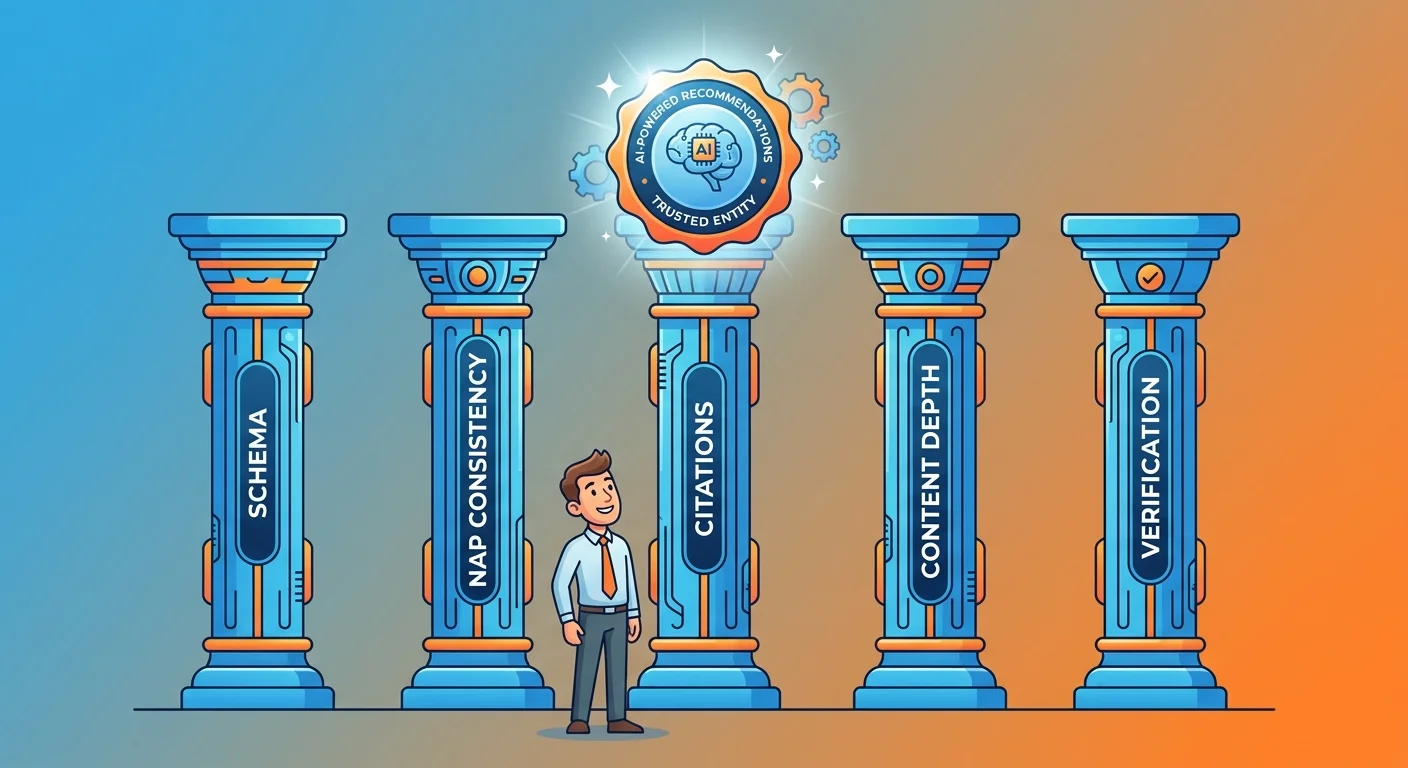
Entity Trust isn’t built on guesswork.
It’s built on five specific, verifiable pillars.
These are the signals AI engines evaluate when deciding whether to recommend your practice or your competitor’s. If any pillar is weak, Entity Trust collapses. If all five are strong, AI cites you by name.
Pillar 1: Structured Data (Schema Markup)
Schema markup is machine-readable code that tells AI engines what your business is, what services you offer, where you’re located, and what credentials you hold.
Without it, your website is just text. AI can’t parse it. Can’t verify it. Can’t trust it.
Schema.org’s Chiropractic vocabulary defines the exact structured data format AI engines use to understand a chiropractic practice. If your website doesn’t implement that schema, AI doesn’t recognize you as a chiropractic entity.
It’s not optional anymore.
Pillar 2: NAP Consistency
NAP stands for Name, Address, Phone.
AI engines verify your identity by checking whether your NAP is identical everywhere online: your website, Google Business Profile, Yelp, Healthgrades, Vitals, Facebook, LinkedIn, and 50+ other directories.
If your website says “Smith Chiropractic Clinic” and Google says “Dr. John Smith, Chiropractor” and Healthgrades says “John Smith, DC,” AI sees three different entities.
And it trusts none of them.
One character off – a period, a comma, “Suite 100” vs. “Ste 100” – breaks the chain.
Pillar 3: Citations from Trusted Entities
AI engines trust other entities they’ve already verified.
When Healthgrades, Zocdoc, the American Chiropractic Association, or a .edu site mentions your practice, it signals to AI that you’re legitimate. Those citations act as verification loops – AI cross-references the information and builds confidence.
Generic backlinks from random blogs don’t count. AI looks for citations from entities it already recognizes as authoritative.
The National Library of Medicine is a perfect example of a trusted entity. If your content cites sources like this, and if those sources (or entities that cite them) mention your practice, Entity Trust compounds.
Pillar 4: Content Depth and Sourcing
AI engines evaluate whether your content answers patient questions fully and backs up claims with verifiable sources.
A 500-word blog post titled “5 Tips for Back Pain” signals low authority. It’s thin. It’s generic. It doesn’t cite sources. AI can’t verify the claims.
A 3,000-word article explaining the biomechanics of lumbar disc herniation, citing peer-reviewed studies, and walking through treatment protocols signals high authority. AI can parse it, verify it, and trust it.
That’s What is Answer Engine Optimization – building content AI engines can extract, verify, and cite as a trusted answer.
Pillar 5: Verification Loops
AI doesn’t trust single sources.
It cross-references.
If your website says you specialize in sports injuries, but your Google Business Profile says “general chiropractic care,” and Healthgrades lists “family wellness,” AI sees inconsistency. That inconsistency breaks trust.
Verification loops work when every source AI checks says the same thing. Your schema matches your Google Business Profile. Your content matches your directory listings. Your directory listings match your social profiles.
Consistency across every touchpoint signals to AI that you are a verified entity.
| Pillar | What It Is | Why AI Cares |
|---|---|---|
| Structured Data (Schema) | Machine-readable code defining your business type, services, and credentials | Without schema, AI can’t parse your identity or verify what you do |
| NAP Consistency | Identical Name, Address, Phone across every online directory and platform | Inconsistent NAP signals multiple entities or low trustworthiness |
| Citations from Trusted Entities | Mentions or links from entities AI already trusts (Healthgrades, .edu, .gov, professional associations) | Citations act as verification loops, building AI confidence in your authority |
| Content Depth and Sourcing | Comprehensive, well-researched content that cites verifiable sources | Thin, unsourced content signals low expertise; AI ignores it |
| Verification Loops | Consistent information across all platforms AI cross-references | AI verifies claims by checking multiple sources; inconsistency breaks trust |
Entity Trust vs. Keyword Rankings: A Direct Comparison
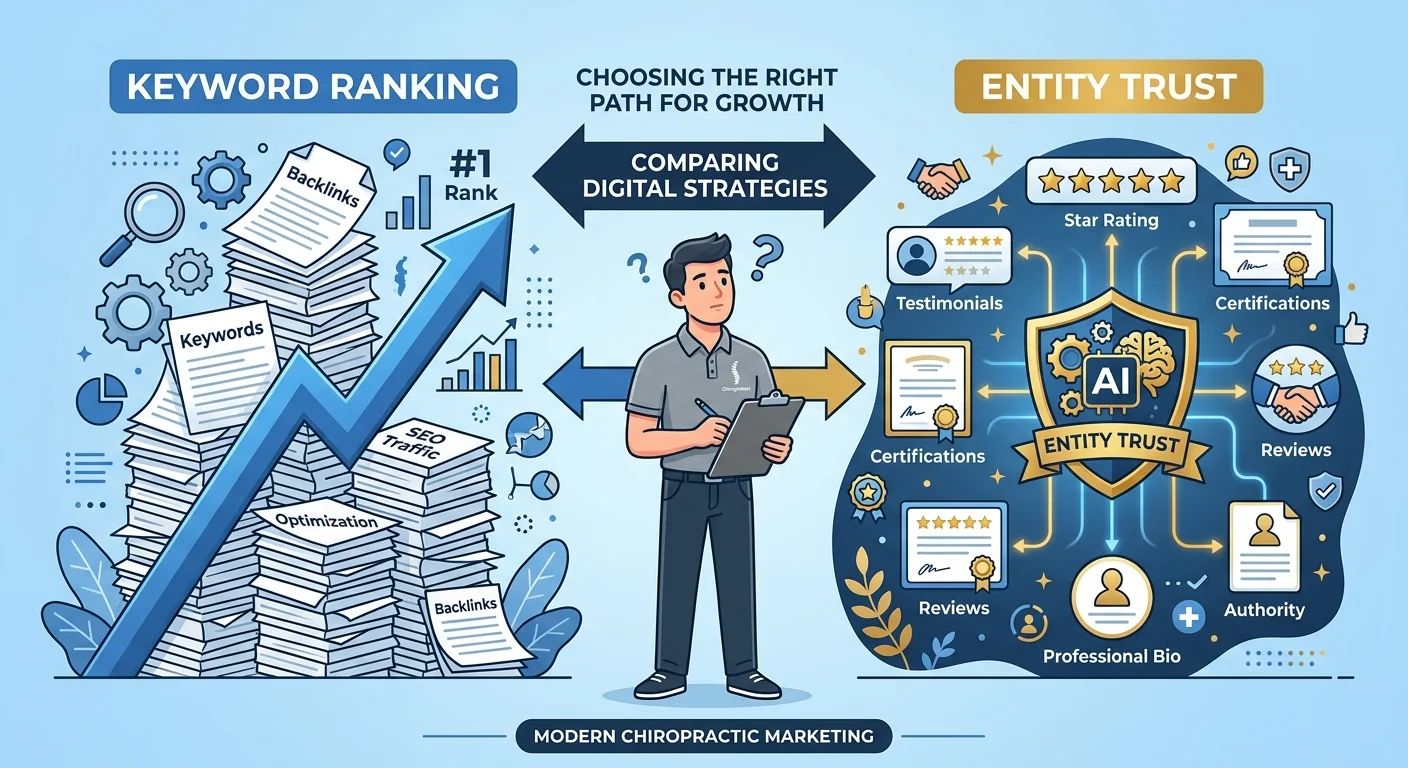
Let’s make this concrete.
Here’s what you’re choosing between when you decide whether to keep optimizing for keyword rankings or start building Entity Trust.
| Factor | Keyword Rankings | Entity Trust |
|---|---|---|
| Goal | Appear on page one of a list of search results | Be recommended as the singular trusted answer |
| Metric | Ranking position (#1, #2, #3) and organic traffic volume | AI citation frequency and recommendation accuracy |
| Optimization Focus | Keyword density, backlinks, meta tags, on-page SEO | Schema markup, NAP consistency, content depth, verification loops |
| User Behavior | Patient Googles, evaluates 3-5 options, clicks through, compares | Patient asks AI, receives one recommendation, books without comparing |
| Result Format | List of 10 blue links | Conversational answer with one named practice |
| Longevity | Decays as search behavior shifts to AI | Compounds as AI adoption increases |
| Cost of Invisibility | Patient sees you on a list but doesn’t click | Patient never hears your name at all |
| What Matters to AI | Almost nothing – AI doesn’t evaluate keyword density or backlinks | Everything – AI evaluates trust signals, not relevance signals |
What Keyword Rankings Cannot Do
Keyword rankings don’t build machine trust.
They do not guarantee AI engines will cite your practice. They do not adapt to conversational queries. They do not position you as the answer – only as one option on a list.
And as patients stop using lists, keyword rankings lose value.
The practices still investing in traditional SEO are optimizing for a channel that’s shrinking every month. They’re spending money to rank on a platform patients are abandoning.
What Entity Trust Unlocks
Entity Trust is the only mechanism that positions your practice as the answer AI gives.
It unlocks:
- AI recommendations – ChatGPT, Gemini, and Grok name your practice when patients ask who to trust
- Zero-click visibility – Patients book without leaving the AI interface
- Compounding authority – Every month of Entity Trust execution builds on the last; the practices that start early compound faster
- Long-term positioning – You’re not chasing algorithm updates or keyword trends; you’re building verifiable authority that AI engines trust
The gap between keyword rankings and Entity Trust is the gap between being on a list and being the answer.
Why Most Chiropractic Practices Are Invisible to AI
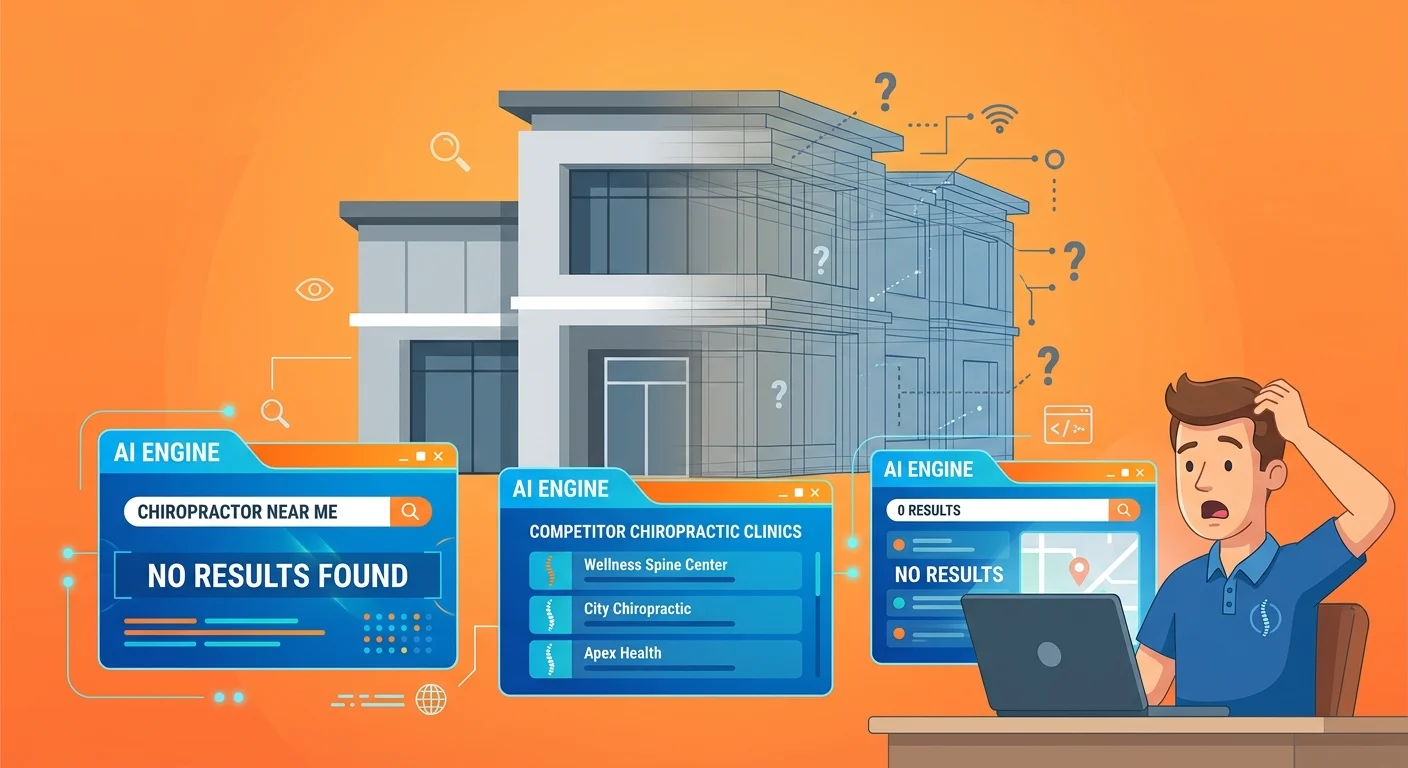
Most chiropractic practices have no idea they’re invisible.
They rank on Google. They get traffic. They book patients. Everything feels fine.
Then a tech-savvy patient asks ChatGPT for a recommendation and hears a competitor’s name. And the invisible practice never knows it happened.
Here’s why most practices have low Entity Trust: they built for the old game, not the new one.
The Digital Brochure Problem
Most chiropractic websites are digital brochures.
They’re beautiful. Clean design. Professional photos. Services listed on one page. Contact form on another. Maybe a blog with a few generic posts about “back pain tips” and “posture advice.”
AI can’t read any of it.
No schema markup. No structured data defining what kind of business this is. No machine-readable signals telling AI who you are, what you do, or where you’re located.
To AI, a beautiful website without entity signals is a blank page.
That’s the core problem we solve at iTech Valet – rebuilding the digital infrastructure that AI engines use to verify and trust a business. Because a website that humans love and AI can’t read is an expensive business card, not an authority asset.
The Generalist Trap
Here’s a reality most chiropractors don’t want to hear: trying to be everything to everyone kills Entity Trust.
“We treat sports injuries, auto accidents, chronic pain, family wellness, pediatric care, and geriatric patients.”
That’s not authority. That’s desperation.
AI engines reward specialists, not generalists. When a patient asks “who’s the best sports injury chiropractor near me,” AI looks for practices that specialize in sports injuries – not practices that list sports injuries as one of 12 things they treat.
The “Everything to Everyone” Practitioner tries to rank for every possible keyword. That strategy worked in the List Economy because you could show up on multiple lists. It fails in the Recommendation Economy because AI doesn’t recommend generalists.
If you’re not willing to specialize, you’re not willing to build Entity Trust.
Period.
The Agency Hopium Cycle
Most marketing agencies still sell keyword rankings and traffic reports.
They don’t address Entity Trust because they don’t understand it. Or they understand it but can’t execute it because their entire business model is built on delivering vanity metrics – rankings, clicks, impressions – instead of outcomes.
So practices spend $1,500 a month on an agency that writes blog posts, builds backlinks, and sends a monthly report showing “keyword rankings improved” and “traffic increased 12%.”
And AI engines still don’t know the practice exists.
The agency isn’t lying. The rankings are real. The traffic is real.
But none of it builds Entity Trust. And in the Recommendation Economy, that means none of it matters.
Authority Decay
Entity Trust isn’t built once and forgotten.
It compounds or it decays.
If you stop publishing AEO content, stop updating your schema, stop reinforcing your entity signals, your Entity Trust erodes. Meanwhile, competitors who keep executing see their trust compound month over month.
The practices that build Entity Trust early and maintain it consistently will dominate their markets. The practices that wait, or start and stop, or treat it as a one-time project will watch their competitors pull further ahead every month.
Authority is either growing or shrinking.
There is no neutral.
FAQ
Can I have high keyword rankings but low Entity Trust?
Yes. Absolutely.
Keyword rankings measure relevance to a search query. Entity Trust measures confidence in your practice as a verified, authoritative source.
Many practices rank #1 on Google for competitive keywords and still have zero AI visibility because they lack the signals AI engines use to verify authority: schema markup, NAP consistency, cited content, and verification loops.
You can dominate traditional search and be completely invisible to ChatGPT, Gemini, and Perplexity.
How do AI engines like ChatGPT and Gemini determine Entity Trust?
AI engines evaluate five core signals:
- Structured data (schema) – Can AI parse your website’s identity and services in machine-readable code?
- NAP consistency – Is your Name, Address, and Phone identical across every directory and platform?
- Citations from trusted entities – Do other sources AI already trusts mention or verify your practice?
- Content depth and sourcing – Does your content answer questions fully and cite verifiable sources?
- Verification loops – Can AI cross-reference your claims across multiple platforms and find consistency?
If these signals are strong, AI recommends you. If they’re weak or missing, AI recommends your competitor.
Is link building the same as building Entity Trust?
No.
Traditional link building is about acquiring backlinks to manipulate Google’s ranking algorithm. It’s a quantity game – get as many links as possible from as many sites as possible.
Building Entity Trust is about creating verifiable authority signals that AI engines can parse and cross-reference. It’s a quality and consistency game – get citations from trusted entities, ensure your NAP is identical everywhere, and publish content that AI can verify.
Link building is about gaming an algorithm. Entity Trust is about becoming the answer AI trusts.
Why doesn’t my beautiful website help with Entity Trust?
Because AI engines don’t see design.
They read code.
A visually stunning website with professional photography, clean layouts, and smooth animations means nothing to AI if the underlying code doesn’t define what your business is, what services you offer, and where you’re located.
Without schema markup, AI can’t parse your identity. Without structured data, AI can’t verify your authority. Without entity signals, AI can’t trust you enough to recommend you.
Beauty is for humans. Structure is for machines.
How can I start building Entity Trust for my chiropractic practice?
Start with the basics:
- Ensure your Name, Address, and Phone (NAP) are identical across your website, Google Business Profile, and every directory where you’re listed
- Implement schema markup on your website to define your business type, services, location, and credentials
- Publish deeply-researched AEO content that answers patient questions fully and cites verifiable sources
- Get listed on trusted directories like Healthgrades, Zocdoc, and Vitals with consistent information
- Build citations from professional associations and .edu or .gov sources
But before you do any of that, run the AI Visibility Check. It shows you exactly what ChatGPT, Gemini, and Grok say when someone asks who to trust in your market. You need to know where you stand before you know what to fix.
If I stop building Entity Trust, does it go away?
Yes.
Authority decays.
If you stop publishing AEO content, stop updating your schema, stop reinforcing your entity signals, your Entity Trust erodes. AI engines prioritize recently updated, actively maintained entities.
Meanwhile, competitors who keep executing see their trust compound month over month. Every article they publish strengthens their authority. Every schema update deepens their machine-readability. Every citation they earn reinforces their verification loops.
The practices that treat Entity Trust as a one-time project lose to the practices that treat it as ongoing execution.
Can I still rank on Google and ignore Entity Trust?
For now.
Google search still exists. Traditional SEO still works. You can still rank on page one and get traffic.
But here’s the problem: patients are shifting to AI-first search behavior. The patients still Googling and clicking through lists are older, less tech-savvy, and shrinking as a percentage of your market every month.
The patients adopting AI tools are younger, more tech-comfortable, and decision-ready. They ask. They book. They don’t evaluate lists.
Waiting until Google traffic collapses completely before addressing Entity Trust isn’t a neutral position. It’s a choice to give the AI recommendation space to competitors who moved early.
By the time the shift becomes undeniable, the practices that built Entity Trust first will have compounded so far ahead that catching up will take years.
What happens if I wait to build Entity Trust?
The gap widens.
Every month you wait, competitors who are building Entity Trust pull further ahead. Their authority compounds. Their AI visibility deepens. Their patient bookings increase.
And every month you wait, the cost to catch up grows.
Early movers compound faster. Late movers spend years trying to close a gap that keeps expanding.
The practices that own the AI recommendation space in their markets two years from now are building Entity Trust today. The practices that wait will be fighting for the scraps.
Conclusion
AI gives one answer.
If you’re not it, you don’t exist.
That’s not hyperbole. That’s the mechanism.
When a patient asks ChatGPT or Gemini for a recommendation, the AI engine names one practice. Maybe two. It doesn’t present a list. It doesn’t offer options. It delivers a verdict.
And that verdict is determined by Entity Trust, not keyword rankings.
The war for patient discovery is over. Keyword rankings lost. Entity Trust won.
The practices still optimizing for page one of Google are fighting the last war. They’re spending money, time, and energy on a channel that’s declining every month while patients move to AI-first search behavior.
The practices building Entity Trust are positioning themselves as the answer AI gives. They’re the ones getting named. They’re the ones patients book without comparing. They’re the ones who will dominate their markets for the next decade.
This isn’t a trend you can wait out. This isn’t a tactic you can test and abandon. This is the new infrastructure of patient discovery.
The choice is binary: build Entity Trust now or cede the AI recommendation space to competitors who already started.
There’s no neutral position. Authority is either growing or decaying. Every month you execute builds on the last. Every month you don’t, competitors compound while you fall further behind.
Want to know if AI engines trust your practice enough to recommend you?
Most chiropractors assume they’re visible because they rank on Google. Then they run the check and see a competitor’s name in every AI answer.
The AI Visibility Check shows you exactly what ChatGPT, Gemini, and Grok say when someone asks who to trust in your market. It takes 15 minutes. No guesswork. Just data.
If the results show your competitor’s name and not yours, you’ll know exactly why. And you’ll know what to fix.