
Why Being Indexed Stopped Meaning Being Found
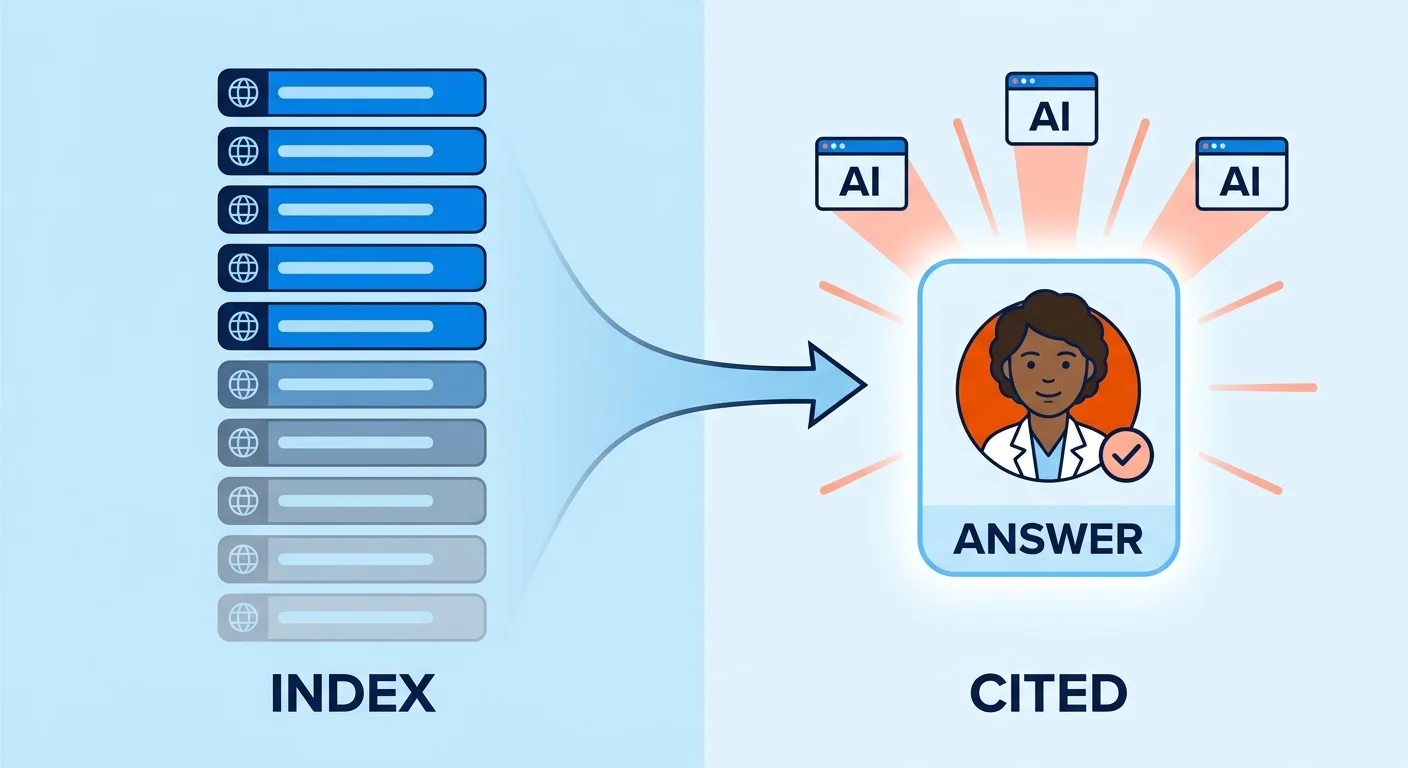
Here's the conflation almost every clinic makes: being indexed and being recommended get treated as one win, tracked with one tool. But an index and a citation ledger aren't the same ledger. Being on Google used to mean landing somewhere in a list of ten blue links — one archive, one set of entry rules.
Not anymore. AI-driven search engines synthesize a single, direct answer now, and the reader often never clicks a site at all. So the old ledger keeps counting an event that stopped deciding anything.
Here's the thing this shift creates: being a citable, authoritative source now outranks being an indexed page. Rankings stopped predicting who gets cited the day answers replaced links as the thing a patient actually reads. And treating AI visibility as traditional search optimization with new vocabulary misreads the whole mechanism — one system counts crawlable pages, the other resolves a trustworthy entity before it writes a single sentence.
Look at what actually breaks when a clinic tries to bridge the two systems with old habits. Most attempts still chase the metrics that built the first ledger — the same instincts picked apart in why generic authority tactics stall out under AI scrutiny — instead of the identity signals the second one reads. A page can nail every rule of the old archive and still carry none of the resolvable identity data the new one demands.
Why Legacy Ranking Tactics Break Down Inside AI Answers
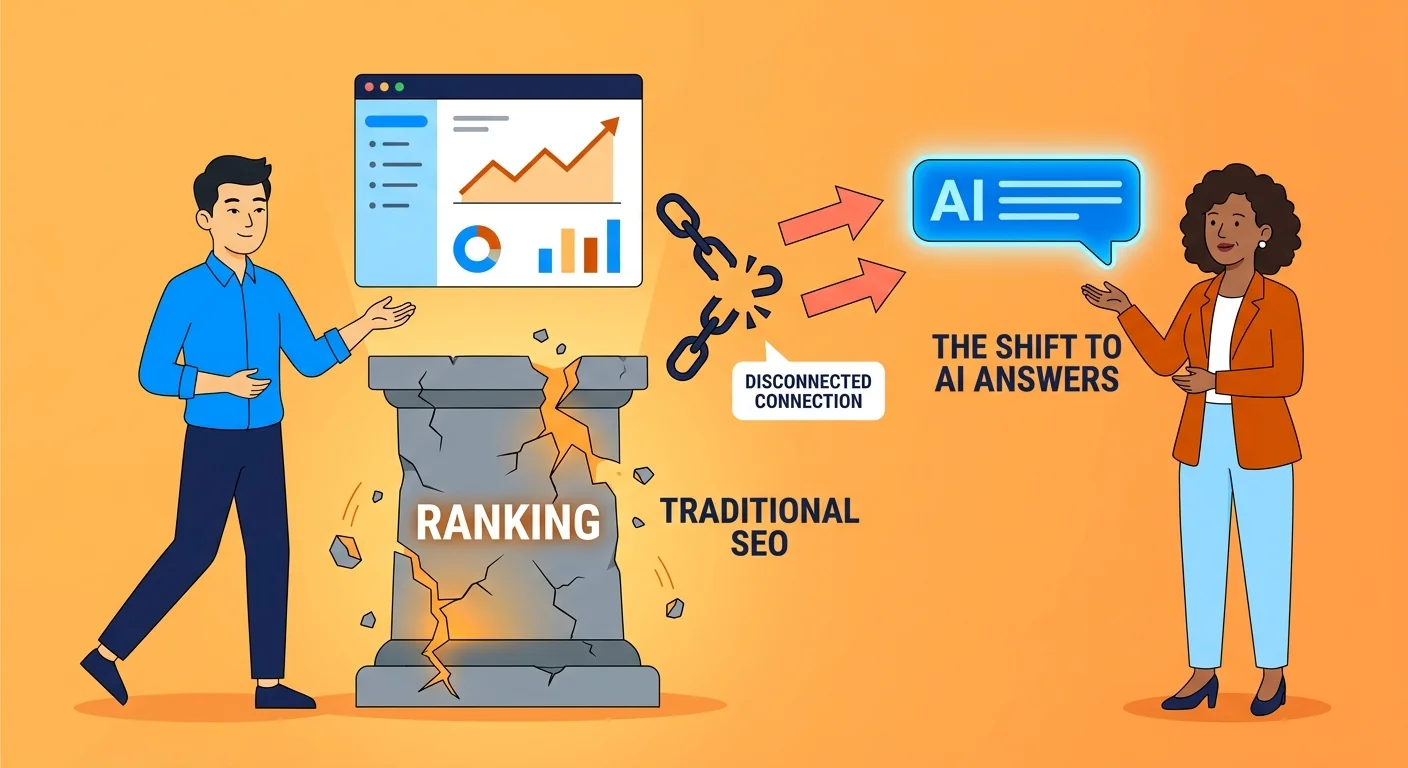
Legacy ranking tactics were built to win one game: a slot in the list of ten blue links. That game paid out for density, backlinks, and exact-match phrasing on a page.
An AI answer engine plays a completely different game. It resolves an entity first, then decides what to cite — and that citation call never checks the old scoreboard.
So a page can win the first game and lose the second one flat out. The mechanism behind how conversational systems assemble a single synthesized medical answer shows why the two scoreboards never merge.
Why Chasing Placement in the Classic Ten Blue Links Fails
Chasing that placement fails for a specific, measurable reason. The pages an AI system picks to cite are often pages that never showed up in that list at all.
Across AI Mode answers, Moz's research found that 88% of citations come from webpages that don't appear in the organic search results for the exact query being asked.
That figure guts the whole premise of fighting for a slot in the ten blue links. A clinic can optimize a page into a top spot and still watch an AI system cite something else entirely.
A top slot proves a page won the archive, not that it entered the answer. The old scoreboard tracks an event the new system doesn't even glance at before it speaks.
The Problem With Treating Keyword Position Tracking as the Finish Line
Keyword position tracking treats a number on a dashboard as the finish line. But a position number just describes where a page sits in an archive nobody has to open anymore.
Per published industry reporting, nearly half of all Google searches — 46.96% — ended without a single click across the measured period. A position nobody clicks past isn't producing the outcome the tracking implies.
Here's the deeper problem: keyword position tracking measures visibility inside a system a growing share of searches never reach. Calling that number the finish line mistakes a shrinking archive for the whole race.
How Generative Engines Decide What Gets Cited
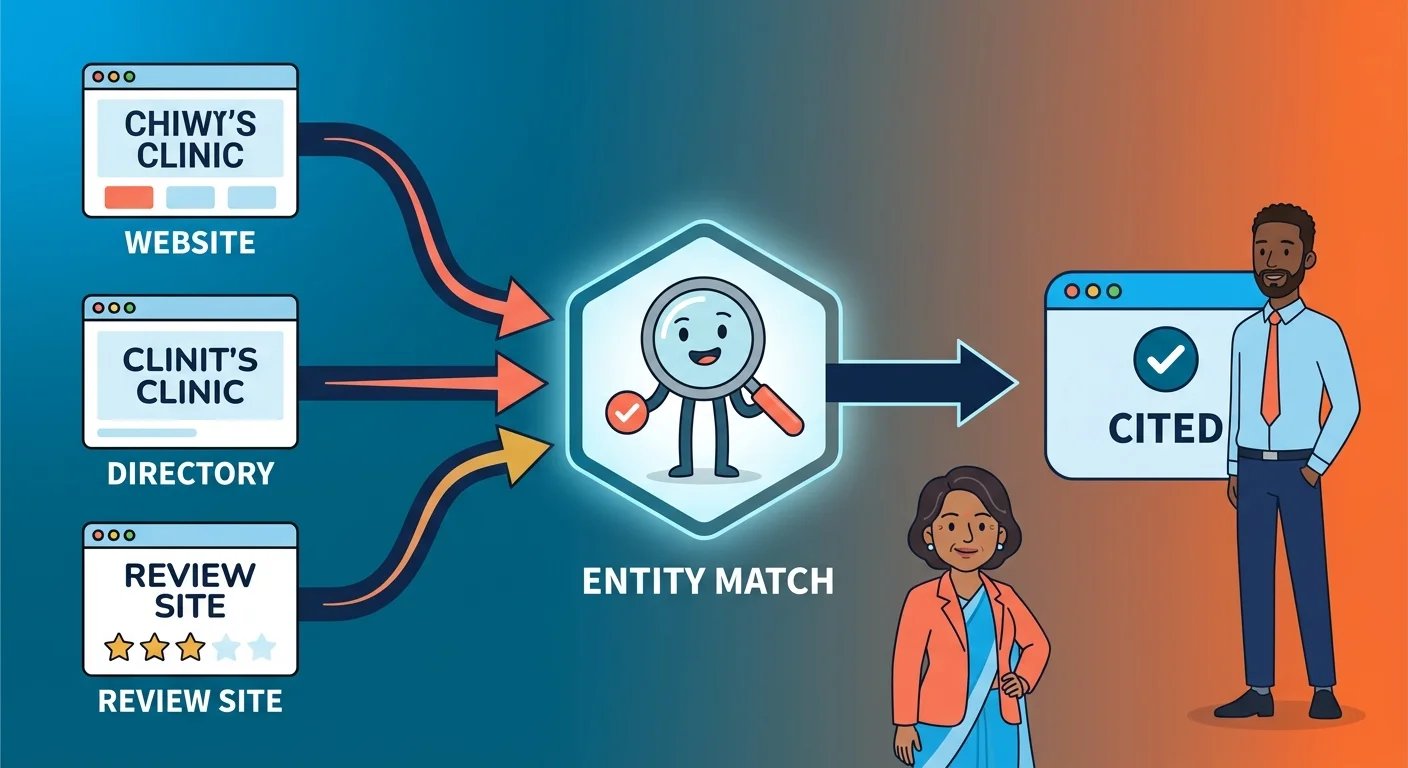
Citation isn't a judgment call. It's the output of a resolution process that runs before a single sentence gets written.
First an AI system has to settle a narrower question: what business is this, exactly, and can that identity be confirmed across every source that mentions it? Only after that check clears does the system move on to deciding whether the entity is worth recommending.
So the mechanism runs in two stages, and most clinics only ever prep for the second one. Getting the first stage right is what separates a page that gets read from a page that gets cited — a distinction dug into further in how a provider's identity gets matched across scattered listings.
| Signal Type | What It Establishes | Where It Lives | Effect on Citation |
|---|---|---|---|
| Hidden Structured Data | A machine-readable label for what a page claims to be | Script tags most extraction pipelines strip before reading | Rarely reaches the model, so citation weight stays near zero |
| Visible Entity Text | Business name, address, phone, and service description as written for a human reader | The rendered page content every extraction pass actually pulls | Directly usable in resolution, carrying most of the citation weight |
| Cross-Source Identity Match | Whether a clinic's name and details agree across every listing that mentions it | Directories, the clinic's own site, and third-party mentions compared against each other | Mismatches read as unresolved risk and block citation regardless of page quality |
| Keyword and Backlink Density | A page's competitiveness inside the old indexing scoreboard | Traditional search optimization tooling built for the ten blue links | Not consulted during entity resolution, so it carries no citation effect |
Why Entity Resolution Comes Before Recommendation
Here's what that resolution actually checks. It lines up a business's name, address, phone number, and service descriptions across every source it can find, and it flags any mismatch as unresolved risk.
A clinic listed under one name on its own site and a slightly different name elsewhere isn't a minor typo. It's an unresolved entity — and an unresolved entity doesn't get cited, no matter how well the page reads.
And this shows up at scale. Four different AI engines were tracked citing local businesses across 583 distinct domains over 44 city-and-vertical cells, and only 95 of those domains — 16.3% — got cited by two or more of the four.
That means 83.7% of every cited source was unique to a single engine, according to published industry reporting. Each system runs its own resolution independently, checks the same identity data, and keeps landing on a different verdict.
Why Structured Data Alone Cannot Buy Citation
Being the cited source beats being a listed address — and that's exactly where schema markup gets misread. Clinics bolt on structured data expecting it to work as a shortcut through entity resolution.
But most AI systems never read that markup at all. Extraction pipelines routinely strip out the script tags where JSON-LD lives, and pull only the visible content a human reader would actually see.
The research on this is blunt. Every study that found schema helps is missing the controls, and every study run with proper controls found nothing — or a small negative — per independent testing data.
So structured data can't buy a citation on its own. A page still has to state its identity, its services, and its credentials in the visible text a model actually extracts, because that's the only layer the system reliably reads.
Where the Old Ranking Signals Still Fail Under AI Scrutiny
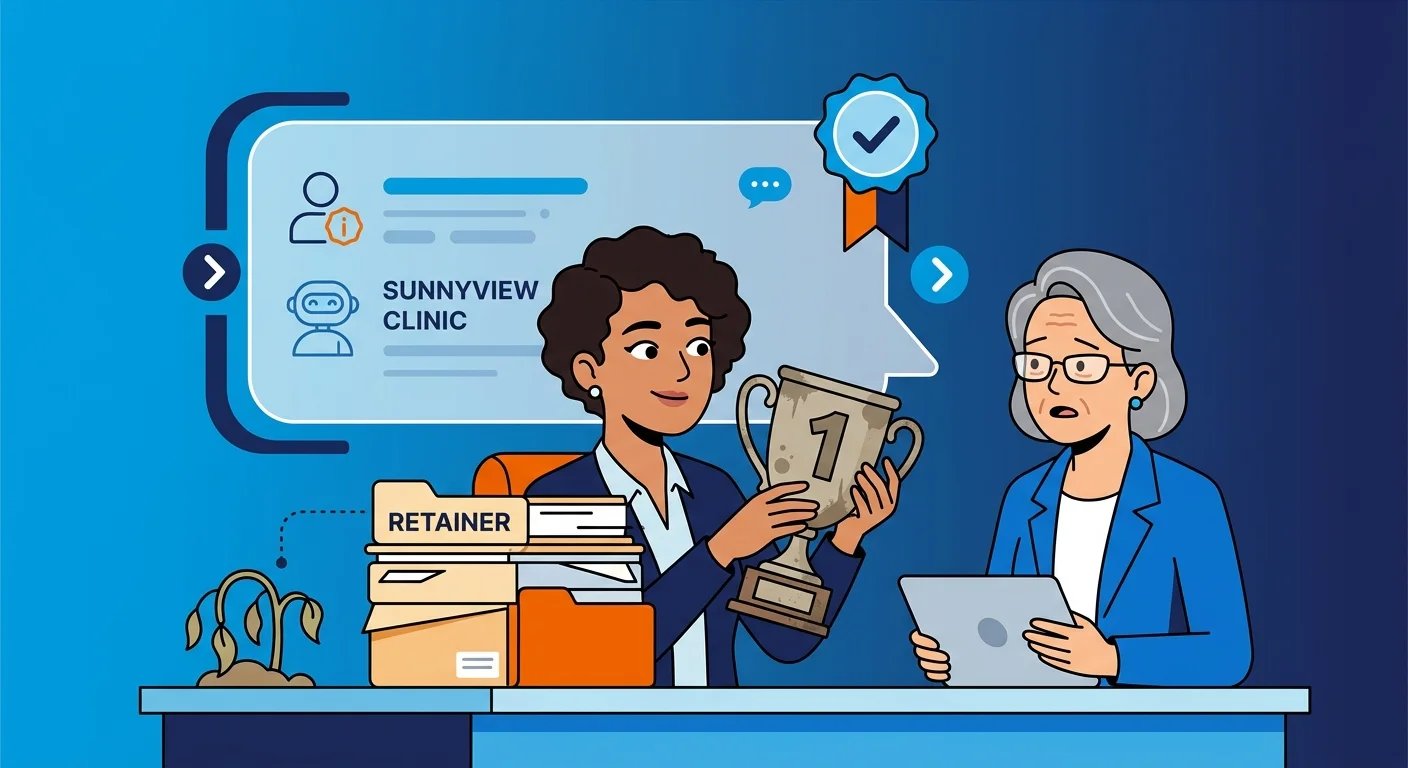
Structured data is just the clearest case of a much bigger pattern. Agencies built whole service lines around signals that won a slot in the ten blue links, then kept selling those same signals long after the game they were built for stopped deciding anything.
Here's the mechanism that quietly costs a clinic real visibility: every hour spent tuning a signal the citation stage never checks is an hour not spent resolving the identity data that stage actually reads. The failure isn't wasted effort in the abstract — it's effort aimed at a scoreboard the second system never opens, while our AI Authority System services work the resolution stage those legacy tactics were never built to satisfy.
So the market keeps selling placement in an archive fewer searches ever open. An agency pitching keyword position tracking as its core deliverable is billing for a contest that already closed, and pricing the work like it still decides anything.
What Builds a Clinic Into a Citable Authority
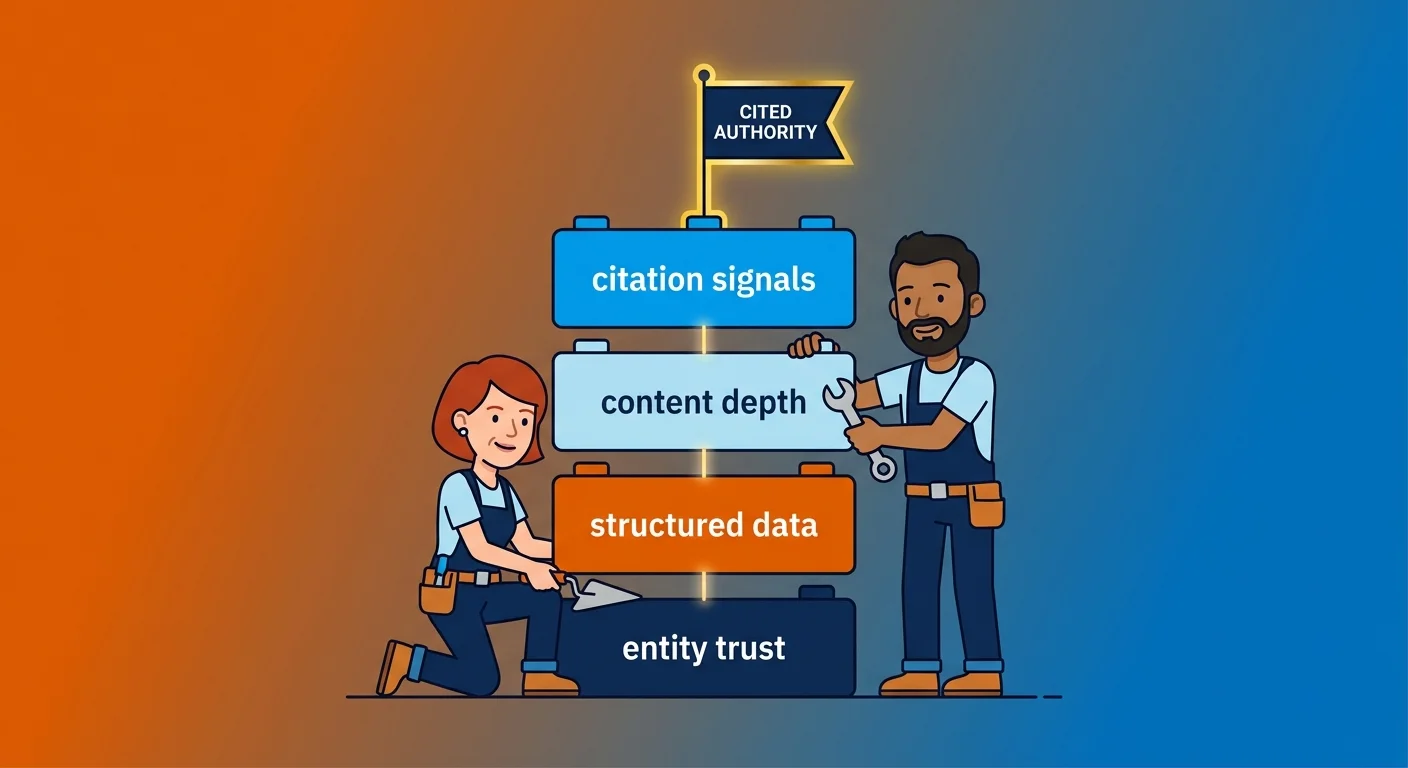
So what actually earns a citation, once you set the old scoreboard aside? The answer is architectural, not tactical.
A citable clinic builds three things at once: one resolvable identity, content dense enough to answer a question in full, and credentialing signals that confirm the source can be trusted. None of them covers for the others.
Authority you own compounds. Attention you rent expires the second the placement stops — and a page built only to fill a ranking slot carries nothing forward once that slot is gone.
| Architecture Layer | Function | Failure If Missing |
|---|---|---|
| Entity Consistency | Binds a clinic's name, address, phone number, and service description into one identity every source agrees on | An unresolved identity gets flagged as risk, and a flagged identity does not get cited |
| Content Depth | Answers a clinical question fully enough that an extraction pipeline can synthesize it without looking elsewhere | A thin page forces the system to source the substance of the answer from a competing page instead |
| Credentialing Signals | Confirms the source behind the content is qualified to speak on the clinical question being answered | An uncredentialed source reads as unverifiable, and unverifiable sources get passed over for citation |
| Visible-Text Statement | States identity, services, and credentials in the plain text a model actually extracts, not in markup alone | A system that never reads the structured data behind a page finds nothing to resolve or cite |
How Entity Consistency Is Assembled Across Sources
Entity consistency starts with a dead-simple test: does a business's name, address, phone number, and service description read identically everywhere it shows up?
An AI system checking a clinic's identity doesn't read one page and call it done. It cross-references every source it can find, and it treats a mismatch as a reason to hold back a citation — not a reason to keep looking.
That earlier resolution requirement is worth restating in a new light here. Before a system decides a clinic is worth recommending, it first has to confirm what the clinic actually is, matched consistently across every listing that names it.
Building that consistency is unglamorous work. It means auditing directory listings, fixing stale service descriptions, and lining up credential mentions until the entity resolves the same way no matter where the system looks.
How Content Depth Signals Trustworthiness to AI Systems
Entity resolution only earns a clinic a seat at the table. Content depth decides whether that seat gets used.
A page that fully answers a clinical question — mechanism explained, caveats stated plainly — hands an extraction pipeline something worth synthesizing. A thin page forces the system to hunt elsewhere for the substance a citation needs.
Here's the trade a clinic is really making. A page built to win the ten blue links optimizes for brevity and repetition. A page built to be cited optimizes for completeness — because completeness is what an AI system pulls when it assembles an answer.
Implementing the Shift From Indexed Address to Cited Authority
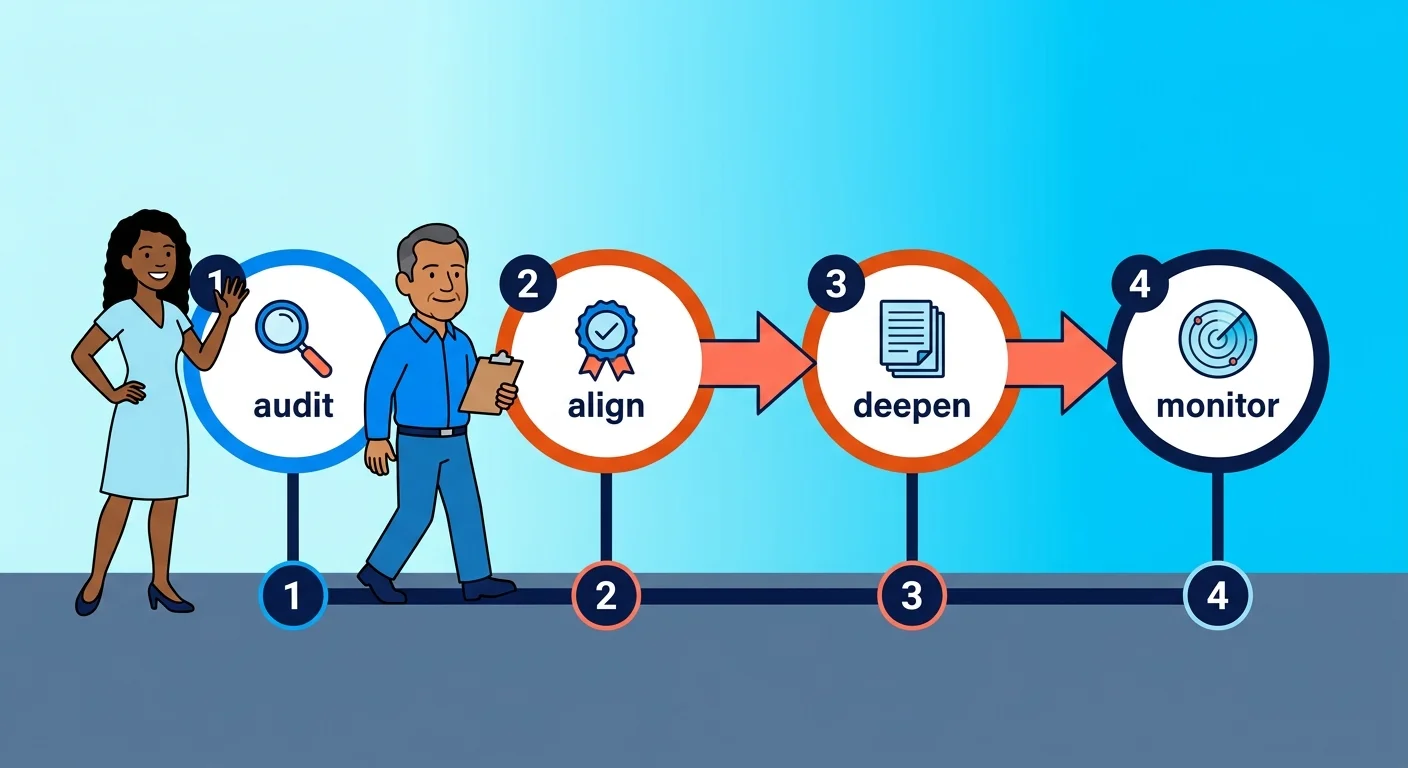
So the architecture's clear. What's left is sequencing — because a clinic can't fix all of it at once, and shouldn't even try.
Here's the operational reality: entity resolution, content depth, and credentialing signals get built in a set order, not side by side. Build them out of order and you waste the earlier work.
Think of it as closing the gap between the old ledger and the new one. Every step below moves a page off the archive nobody opens and into the citation record a model actually reads.
| Step | Action | Primary Output |
|---|---|---|
| Entity Resolution | Audit every directory, profile, and listing source for name, address, phone number, and service description consistency, correcting mismatches until the identity resolves identically everywhere it appears. | A single machine-readable identity a citation system can confirm without hesitation. |
| Content Depth | Rebuild thin pages into complete answers that explain the mechanism behind a clinical claim and state its caveats plainly, written for extraction rather than repetition. | Substantive pages an extraction pipeline can synthesize into a full answer. |
| Credentialing Signals | Surface credentials, affiliations, and trust markers in visible text once identity and content already stand on solid ground. | Confirmation signals that support an already-resolved, already-substantive source. |
| Ongoing Verification | Recheck entity data, content accuracy, and credential mentions on a recurring basis rather than treating the first pass as finished work. | A citation record that holds steady instead of drifting back into inconsistency. |
Sequencing the Technical and Editorial Work
Entity work comes first, every time. Brilliant content still fails resolution if the identity behind it doesn't match across every source that names it.
Once identity resolves cleanly, editorial depth is finally worth building. No point writing an exhaustive clinical answer under a name the system can't confirm.
Credentialing signals come last in the sequence, even though they matter the whole way through. They confirm the source behind an answer that's already resolved and already substantive.
This order isn't arbitrary. Each stage leans on the one before it holding steady — which is why a clinic that jumps straight to editorial output usually rebuilds it later.
Auditing Existing Entity Signals Before Building New Ones
Before a single new signal gets built, the existing ones need an honest audit. Most clinics carry years of inconsistent listings nobody's ever reconciled.
That audit means pulling every directory, profile, and citation source a clinic shows up on, then checking name, address, phone number, and service description against each other line by line. Mismatches get fixed, not filed away.
Look, this step is tedious and it produces zero visible content. But it's the foundation the citation ledger checks first, and skipping it undermines everything stacked on top of it.
Frequently Asked Questions
So a few questions keep coming up once the two-ledger split clicks. Here are the straight answers.
What is the difference between being indexed by Google and being used as a source in an AI answer?
Indexing means a page sits in Google's archive of the ten blue links, retrievable only if someone clicks through. Being cited means an AI system pulled that page's content straight into an answer, no click needed. One's a spot on a list. The other's the answer itself.
Can a clinic place in the classic ten blue links but still be invisible to AI recommendations?
Yes, and it happens all the time. Placement in the ten blue links measures a different scoreboard than entity resolution and content depth, so a page can win one and flunk the other completely.
How does a clinic's physical location and service area data affect AI recommendations?
Location and service area data feed straight into entity resolution — the stage that confirms what a business is before any recommendation is even on the table. Mismatched address or service details across sources read as unresolved risk, and unresolved risk gets no citation.
Are patient reviews weighted differently for traditional search optimization than for AI-generated answers?
Reviews do different jobs in each system. Traditional search optimization treats them mostly as a ranking signal. AI systems read the review text itself for service and credibility details that back up entity resolution and citation.
Does structured data markup guarantee a clinic gets cited by AI search engines?
No. Most AI extraction pipelines strip out the script tags where structured data markup lives, reading only the visible page content. A citation still hangs on what the visible text says, not the hidden markup behind it.
How do AI search engines confirm a clinic's identity before recommending it?
They cross-reference a clinic's name, address, phone number, and service descriptions across every source they can find. A match resolves the identity. A mismatch gets flagged as risk, and the clinic is held back from citation until it resolves.
Where This Leaves the Clinic That Waits
So here's the choice, plain as it gets. A clinic either owns a line in the citation ledger — confirmed, consistent — or it owns no line at all. There's no half-entry.
The old ledger still exists. But it doesn't decide who gets recommended anymore, and a clinic still polishing its spot in the ten blue links is maintaining a record fewer people ever open.
Waiting doesn't hold your place in line. It only widens the gap between a resolved, citable identity and the thin, mismatched one still sitting in the archive. Start with the audit, fix what doesn't match, and build out from there — see how iTech Valet approaches AI visibility.