
Why Your Skepticism About Marketing Retainers Is Actually Correct

Here's the thing: that skepticism isn't a character flaw. Most practice owners are rightfully skeptical of marketing agencies, and that instinct deserves respect, not a sales pitch built to talk them out of it.
So where's it come from? From watching the agency model lean on dependency, locking clients into recurring payments for perishable results that vanish the second the invoice stops clearing.
Look at what that model actually optimizes for. It optimizes for renewal, not residual value, which means the whole incentive is rigged to keep a practice paying forever instead of building something the practice ever owns outright.
That's exactly why the line between a rented retainer and owned infrastructure matters so much. Practice owners weighing this call often benefit from understanding why authority infrastructure pricing looks so different from a monthly retainer, because the cost structure itself tells you which model is built to compound and which one is built to expire.
Why the Rented Attention Model Falls Apart

So what breaks first? The rented attention model collapses the moment renewal stops, because everything it built was designed to live only inside the payment window.
Here's the difference nobody bothers to explain: renting a marketing service and owning a digital asset aren't the same thing. One's a subscription to someone else's activity. The other is property that sits on your own books.
The Dependency Loop Agencies Are Built to Create
Look at how the retainer is built from the inside. Every deliverable is scoped to a billing cycle, so the agency has zero incentive to make anything that outlives the invoice.
And that's not sloppy execution. That's the business model working exactly as designed, because a vendor whose product dies on cancellation just guaranteed its own renewal.
Practice owners weighing this trade-off do better once someone names the pattern out loud, and a closer look at how a retainer differs structurally from owned infrastructure makes the dependency mechanism concrete instead of abstract. Once you see it, the recurring invoice stops looking like maintenance and starts looking like rent.
What Happens the Day You Stop Paying
Here's the test: stop paying and watch what's left. Nothing is.
The placements vanish, the campaigns go dark, and the visibility you paid for reverts to zero almost overnight. Authority Infrastructure was built to fail that test differently, compounding in value long after the invoice that funded it has been paid in full.
How AI Search Actually Decides Who It Trusts
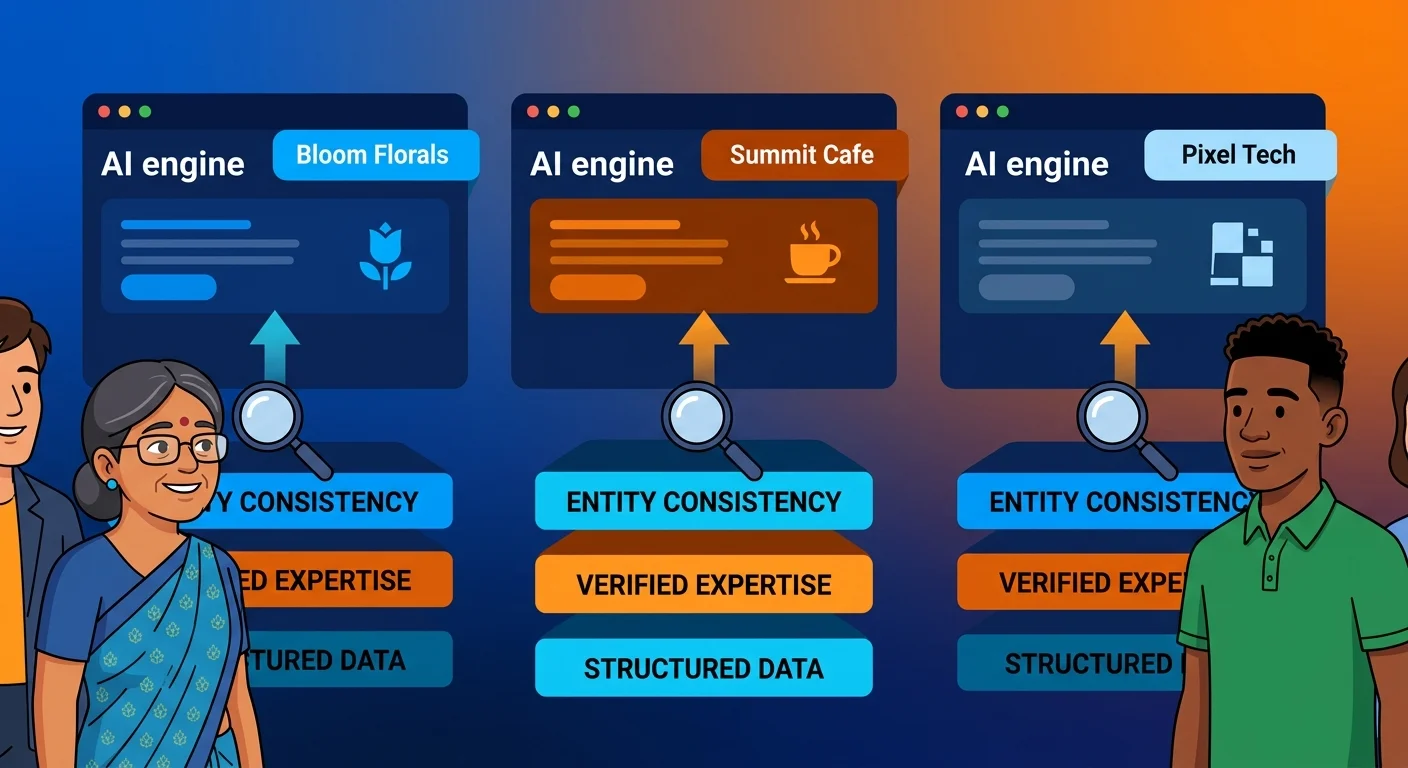
Here's the pivot. Everything above was about what dies when a retainer expires. This part? It's about what actually earns trust once the invoice stops mattering.
In the era of AI-driven search, visibility comes straight from verifiable authority, not clever tactics. That one sentence should reorganize how a practice owner reads every proposal that lands on their desk.
| Signal Type | Role in AI Search Results | What This Means for Infrastructure |
|---|---|---|
| Structured Data Markup | One input among several, not a standalone ranking driver | Should be built as part of a larger verification layer, never sold as the complete solution |
| Entity Verification | Confirms who is actually speaking behind the content across independent sources | Requires cross-referenced credentials and canonical entity data, not a single optimized page |
| Citation Consistency | Signals to AI systems that a practice is a stable, recognizable entity worth referencing | Depends on permanent, unified information across the properties an authority build controls |
| Perishable Tactics | Short-term content pushes and placements that fade once spending stops | Cannot substitute for infrastructure because the underlying entity signal never compounds |
What Counts as a Ranking Signal Now
So what does an AI system actually check before it decides to cite a practice? Not placements. Not whether a page got a fresh coat of copy last week.
It checks whether the entity behind the content can be verified, cross-referenced, and trusted across independent signals. Traditional search optimization rewarded sitting close to a keyword. AI-driven retrieval rewards proof of who's actually speaking.
That shift explains why a strong position in the classic ten blue links no longer guarantees a thing downstream. Only about 45% of businesses that rank well in traditional Google results also show up in AI recommendations. The old scoreboard and the new one are measuring completely different things.
Where Structured Data Actually Sits in the Hierarchy
Now here's where most agencies get the hierarchy backwards. They sell structured data markup like it's the whole solution, when it's really just one input among many.
Local service provider citations across six LLM platforms show why. Schema usage shows only a weak relationship with LLM ranking on every platform, correlations clustered near zero, a pattern documented in published research data that tells you structured data isn't a primary ranking signal in what these models generate.
And the entity-matching layer underneath? It's got its own ceiling. Research on entity selection strategies in TREC Robust04, published on the arXiv preprint server, found that even under an idealized criterion, entity linking technology could only reach 19.7% of relevant documents in the BM25 candidate pool. That ceiling is exactly why a practice weighing this call benefits from understanding what separates a permanent authority build from a recurring service contract before treating any single tactic as enough on its own.
Who This Infrastructure Approach Is Not For

So who should just walk away? Practice owners hunting a quick lift in the classic ten blue links this quarter aren't the right fit for Authority Infrastructure.
This approach is not for owners chasing a fast campaign to flip on before a slow season and flip off after. Anyone still measuring success by site visits alone, rather than by verifiable citation in AI-generated answers, will find this investment confusing rather than clarifying. That mismatch is not a flaw in the practice owner; it is simply the wrong tool for the job they are trying to do.
Here's the harder qualifier. If you want a temporary spike timed to one event, a rented retainer beats a capital asset every time, and owners who skip the long-term cost of using generic, templated authority builds rarely see how a shortcut compounds against them later. Authority Infrastructure is built to appreciate, not spike, so it's disqualifying for anyone unwilling to hold it long enough to let it compound.
Building the Infrastructure That Outlasts the Contract
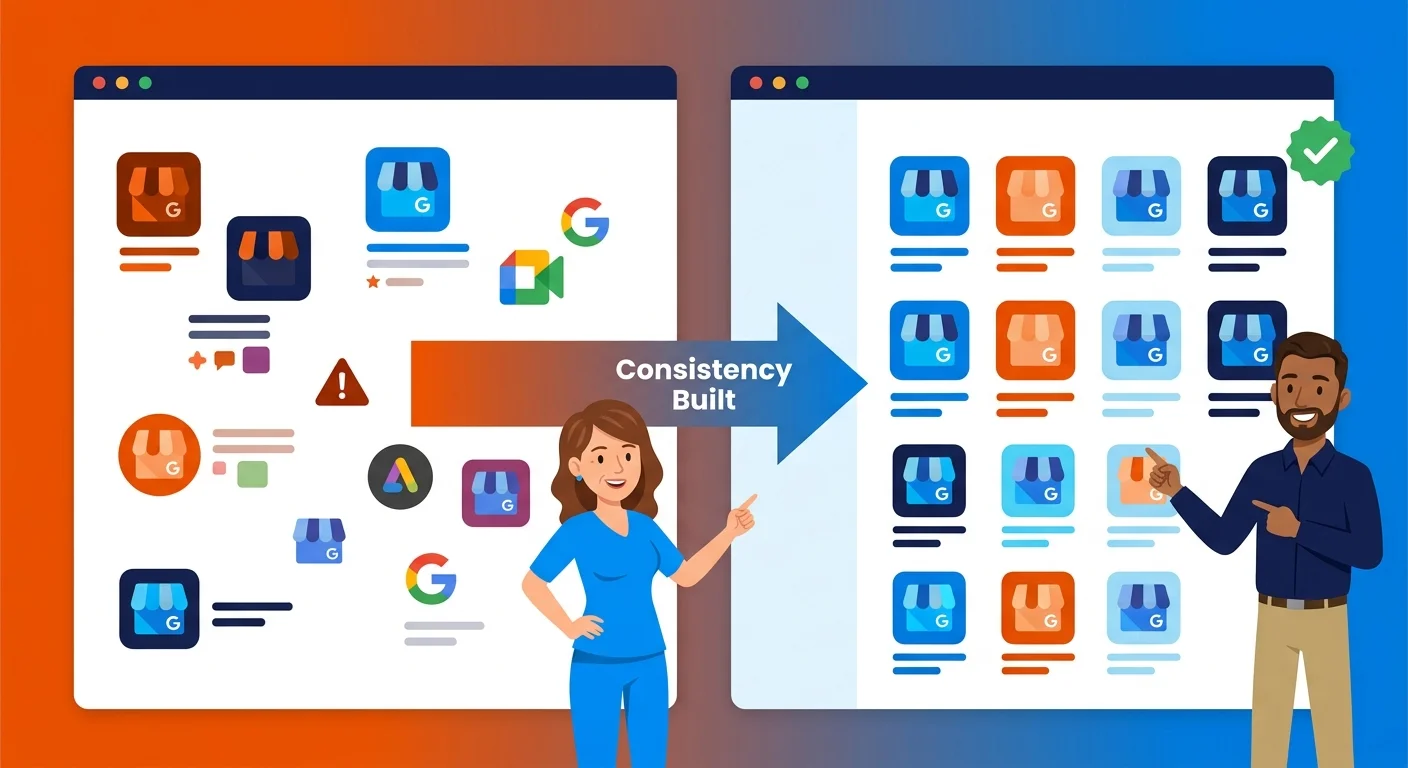
So what does Authority Infrastructure actually look like once the qualification is settled? It's not one deliverable. It's a set of durable components engineered to hold up under machine scrutiny, not a campaign scoped to a billing cycle.
Two layers matter most. There's the data layer, which establishes who a practice actually is, and the content layer, which proves what a practice actually knows. Both get built once and maintained, not rented and renewed.
| Infrastructure Component | Function | Ownership Timeline |
|---|---|---|
| Entity Consistency Layer | Establishes verifiable name, address, and phone alignment across every platform an AI system might reference before it will trust the entity behind the content | Built once, maintained on an ongoing basis, never renewed as a recurring campaign |
| Verifiable Expertise Content | Publishes structured content that demonstrates practice knowledge in a form an AI system can cross-check against the entity signals underneath it | Compounds in citation value over time rather than expiring at the end of a billing cycle |
| Structured Data Layer | Supports machine readability as one input among several, never the sole mechanism a practice relies on for verifiable authority | Configured early and revisited only as the practice itself changes, not on a monthly schedule |
| Cross-Platform Trust Signals | Reinforces the entity as consistent and confirmable across the independent sources an AI system checks before deciding whether to cite it | Accumulates permanently, since each new confirmation adds to a record the practice owns outright |
| Metric Compared | Traditional Retainer Approach | Authority Infrastructure Approach |
|---|---|---|
| Entity Coverage Ceiling | Assumes broader keyword placement alone will surface the practice across AI answers | Treats entity verification as foundational, since even idealized entity linking technology could only reach 19.7% of relevant documents in the BM25 candidate pool |
| Structural Ceiling on Any Single Tactic | Sells one tactic, such as structured markup, as if it alone determines visibility | Recognizes a hard ceiling exists on entity-based ranking gains, reinforcing why no single tactic like entity linking technology reaches full document coverage on its own |
| Basis of Visibility | Relies on clever tactics and placements scoped to a billing cycle | Built on verifiable authority, since in the era of AI-driven search, visibility is a direct result of verifiable authority, not clever tactics |
The Data Layer: Local Signals and Entity Consistency
The data layer starts with entity consistency. Every name, address, and phone number tied to the practice has to match exactly, everywhere an AI system might run into it.
Sounds mechanical, and it is. But mechanical consistency is exactly what separates a verifiable entity from a fragmented one that AI systems hesitate to trust.
A retainer-driven agency rarely touches this layer, because it produces nothing you can point to in a monthly report. Authority Infrastructure treats it as the foundation, since an AI system can't cite an entity it can't first confirm.
The Content Layer: Verifiable Expertise Over Volume
The content layer works nothing like the volume-driven model most practice owners have been sold before. It's not about publishing more keyword-targeted articles at a faster pace.
It's about content that demonstrates verifiable expertise, structured so an AI system can check the claims inside it against the entity signals sitting underneath. Volume without verification is exactly the kind of tactic visibility now skips right over.
Same shift already on the table: verifiable authority earns the citation now, not clever tactics stacked on top of each other. The content layer and the data layer reinforce each other, which is precisely why neither one works as a rented, standalone service.
Frequently Asked Questions
Alright, quick reality check. Let's settle the objections still standing. These are the questions a skeptical owner asks before committing capital to anything that lives outside a monthly invoice.
How is an 'authority asset' different from a standard monthly marketing retainer?
A retainer buys recurring activity that stops the day you stop paying. Authority Infrastructure is an asset the practice owns outright, and it keeps compounding long after the invoice clears.
What is the real, balance-sheet value of a piece of digital infrastructure?
Think property on the practice's own books, not a subscription line item. Its value is that it keeps working, and keeps appreciating, with no recurring bill attached.
Why do most marketing retainers stop producing value the moment you stop paying?
Because everything a retainer produces is scoped to the billing cycle that paid for it. The vendor has no reason to build anything that outlives the invoice, so the work reverts to zero the moment payment stops.
How can I verify that an authority asset will continue to work under future AI search updates?
Verification comes from what it's built on, not a promise about the future. Entity consistency and verifiable expertise are durable signals AI systems check for, no matter which update ships next.
What specific signals do AI engines look for to determine a practice's authority?
AI systems check whether the entity behind the content can be verified and cross-referenced across independent signals. That's a different scoreboard than traditional search optimization was built to satisfy, which is exactly why a strong position in the classic ten blue links no longer guarantees a thing downstream.
If I build this authority infrastructure, do I own it permanently?
Yes. Once the data layer and content layer are built, they belong to the practice the way any capital asset would, with no recurring payment needed to keep them intact.
Where This Leaves the Skeptical Owner
So here's the ledger, settled. A retainer is rented attention that depreciates to zero the second you stop paying. Authority Infrastructure is a capital asset that sits on your balance sheet and compounds long after the invoice clears.
The skepticism that kicked off this whole conversation was never the problem. It was the right read of a model built to keep a practice paying forever. The fix was never to silence that instinct — it was to point it at something that earns the trust a rented tactic never will.
Here's the thing: visibility now belongs to entities that can be verified, not campaigns that can be scheduled. A serious owner stands on the side of the ledger that appreciates. Start by finding out where your practice actually stands with an AI Visibility Check.