

How Do I Use AI-Powered SEO for My Chiropractic Practice in 2026?
 by Gerek Allen ~ Last Updated: January 31st, 2026 ~ 12 Min Read
by Gerek Allen
~ Last Updated: January 31st, 2026 ~
~ 12 Min Read ~
Short answer: stop chasing rankings and start becoming the answer.
Here's what's actually happening right now. Nearly 60% of Google searches end without anyone clicking a single thing. That's not some doom-and-gloom prediction. It's already reality.
Someone searches "chiropractor near me" or "best treatment for sciatica." Google's AI spits out an answer right there on the page. Done. No scrolling. No website visits. No clicking your carefully optimized service page.
And it gets worse. Google's AI Overviews now show up in about 89% of healthcare queries. ChatGPT has 800 million people using it every week. Perplexity is cranking through hundreds of millions of searches monthly.
Your future patients aren't browsing websites anymore. They're just asking AI for answers.
This is the shift from SEO to AEO—Answer Engine Optimization. You're not fighting for position #1 on a list anymore. You're competing to be one of the 2-7 sources that AI actually cites when someone asks "Who's the best chiropractor for migraines in [your city]?"
The practices that get this? They're already showing up in ChatGPT answers. They're getting cited in Perplexity. They're appearing in Google's AI summaries before patients ever see regular search results.
The ones who don't? They're becoming invisible.
This guide breaks down exactly how to implement AI-powered SEO in your practice. We'll cover what's changed, the tools you actually need, step-by-step implementation, and how to find high-intent chiro keywords with AI that bring in real patients.
Let's get into it.
The Zero-Click Reality Hitting Healthcare Right Now
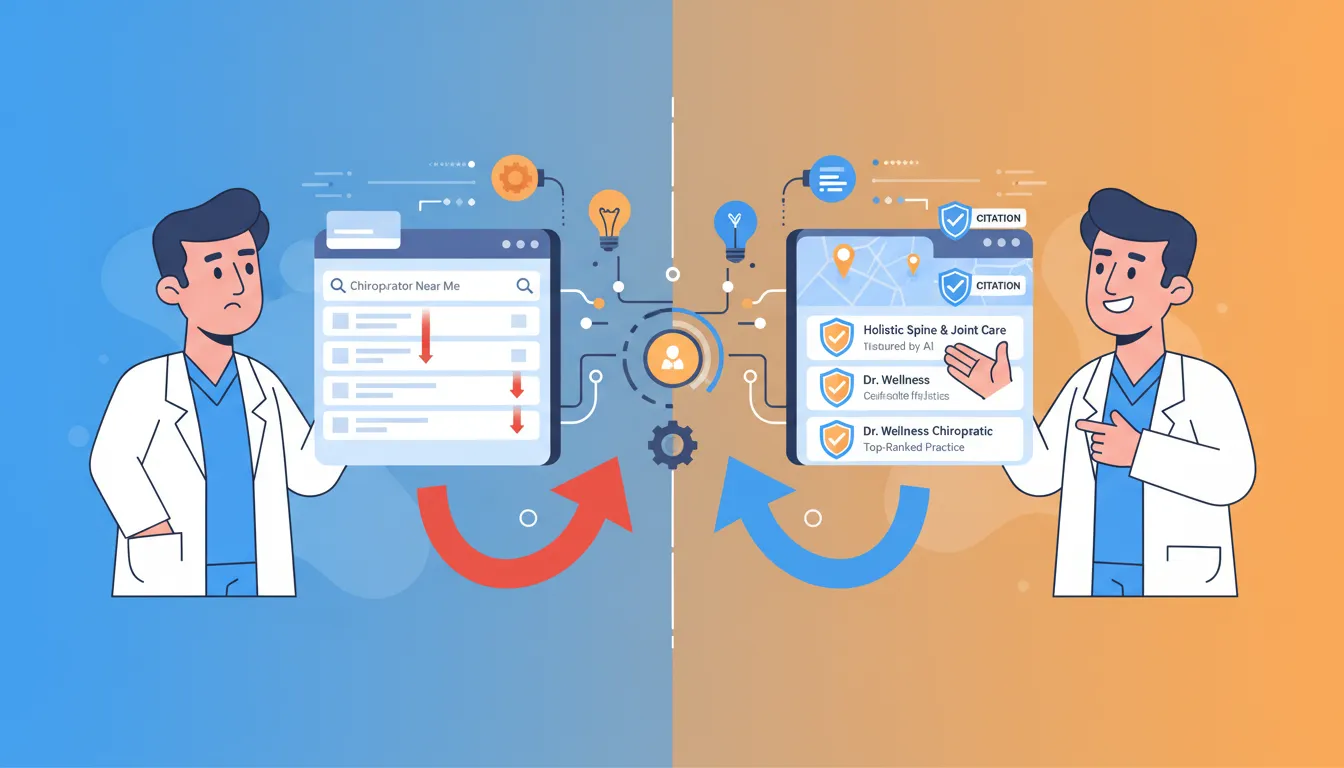

The numbers are brutal. If you're still running your 2023 SEO playbook, you're already behind.
Here's the deal. Semrush's 2025 research shows 58.5% of US searches end right there on Google's results page. Nobody clicks anything. For healthcare questions specifically? That rate climbs even higher—AI Overviews pop up on nearly 74% of longer medical questions.
Gartner predicted traditional search volume would drop 25% by 2026 because of AI chatbots. We're watching that happen in real time.
What This Actually Means for Your Practice
When someone searches "what causes lower back pain" or "should I see a chiropractor for sciatica," Google's AI just... answers it. Right there. No scrolling needed. No website visit required.
For treatment questions, AI Overviews show up 100% of the time now. That's up from 45% just two years ago. Pain-related searches? 98%. Symptoms and conditions? 93%.
Your gorgeous website? Your perfectly optimized service pages? Most patients never see them.
Here's the kicker. The patient journey has completely changed. People used to type fragmented keywords like "chiropractor Atlanta." Now they're asking full questions: "Who is the best chiropractor in Atlanta for sciatica who accepts Medicare and uses non-force techniques?"
AI pulls from multiple sources, mashes it together, and delivers the answer directly. The practices that get cited in those AI answers win. Everyone else? Invisible.
Citations Are the New Clicks
Traditional SEO metrics are becoming kinda useless. Rankings don't matter much when 60% of people never scroll past the AI summary. Click-through rates? Meaningless when clicks are disappearing.
The new metric that actually matters? Citation frequency.
How often does ChatGPT mention your practice when someone asks about back pain? How frequently does Perplexity cite your website when someone researches local chiropractors? Does Google's AI reference your content when explaining sciatica treatment?
Think about it like this. Old model: you were fishing for clicks. Cast your net, hope patients swim in, count how many you caught. New model: you're feeding the AI knowledge graph. You're proving to multiple AI systems that you're THE local authority on specific conditions.
The practices making this shift now will own AI citations in their market. The ones who wait? Playing catch-up for years.
What's AEO and Why Should You Care?
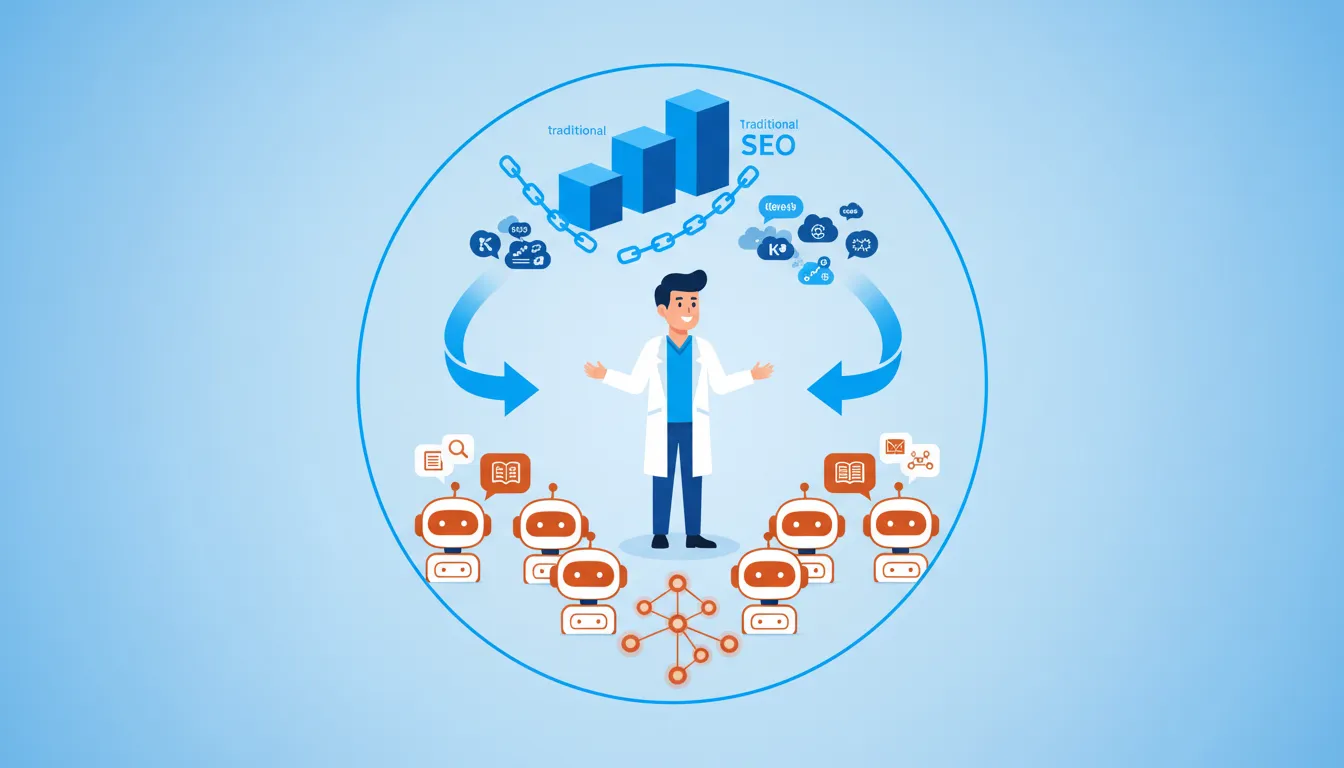
AEO stands for Answer Engine Optimization. It's about getting your content discovered, selected, and cited by AI systems like ChatGPT, Perplexity, Google AI Overviews, and Claude.
Here's the difference that matters. Traditional SEO tries to get you ranked as the top result people click. AEO makes you the trusted source that AI confidently quotes when people ask questions.
When someone asks Perplexity "What's the best treatment for herniated disc without surgery?", AEO determines whether your practice gets mentioned—or whether you stay completely invisible.
Five Ways SEO and AEO Are Different
These aren't just vocabulary changes. They need different strategies, different content, and different ways to measure success.
| Main Goal | Rank #1 in search results | Get cited by AI systems |
| Content Style | Keyword-optimized pages | Question-answer formats with serious depth |
| How You Measure | Click-through rate, rankings | Citation frequency, AI visibility |
| Competition | 10 spots on page 1 | 2-7 sources cited per AI response |
| Updates | Periodic optimization | Constant freshness signals needed |
The math changed dramatically. Traditional search? You're fighting for one of 10 organic positions on page one. AI citations? You're competing to be one of just 2-7 sources that get referenced.
That's brutal competition. But it's also opportunity—if you start now while most practices are still stuck in the old mindset.
Healthcare Has Unique AEO Challenges
Google treats healthcare content as YMYL (Your Money, Your Life). Stricter quality standards. More scrutiny. Heavy emphasis on E-E-A-T (Experience, Expertise, Authoritativeness, Trustworthiness).
For chiropractic practices, this creates both challenges and advantages.
The challenge? AI systems are super careful about healthcare citations. They prioritize sources that show clear medical expertise, cite real research, and have consistent info across the web.
The advantage? Most chiropractic websites are still built like brochures. Thin on content. No schema markup. Optimized for keywords that don't match how patients actually search. If you implement proper AEO, you'll leapfrog 90% of competitors who haven't adapted.
AI platforms love depth over breadth. They want comprehensive resources that answer every possible question about a specific condition—not generic "we treat back pain" pages that say nothing.
Your chiropractic AI content automation strategy needs to focus on creating definitive resources for specific conditions. Surface-level stuff won't cut it anymore.
NEED MORE CLIENTS?
Free conversion-focused analysis uncovers the 3 biggest problems killing your bookings — we'll walk you through your results personally
The AI Search Ecosystem (It's Not One Thing)
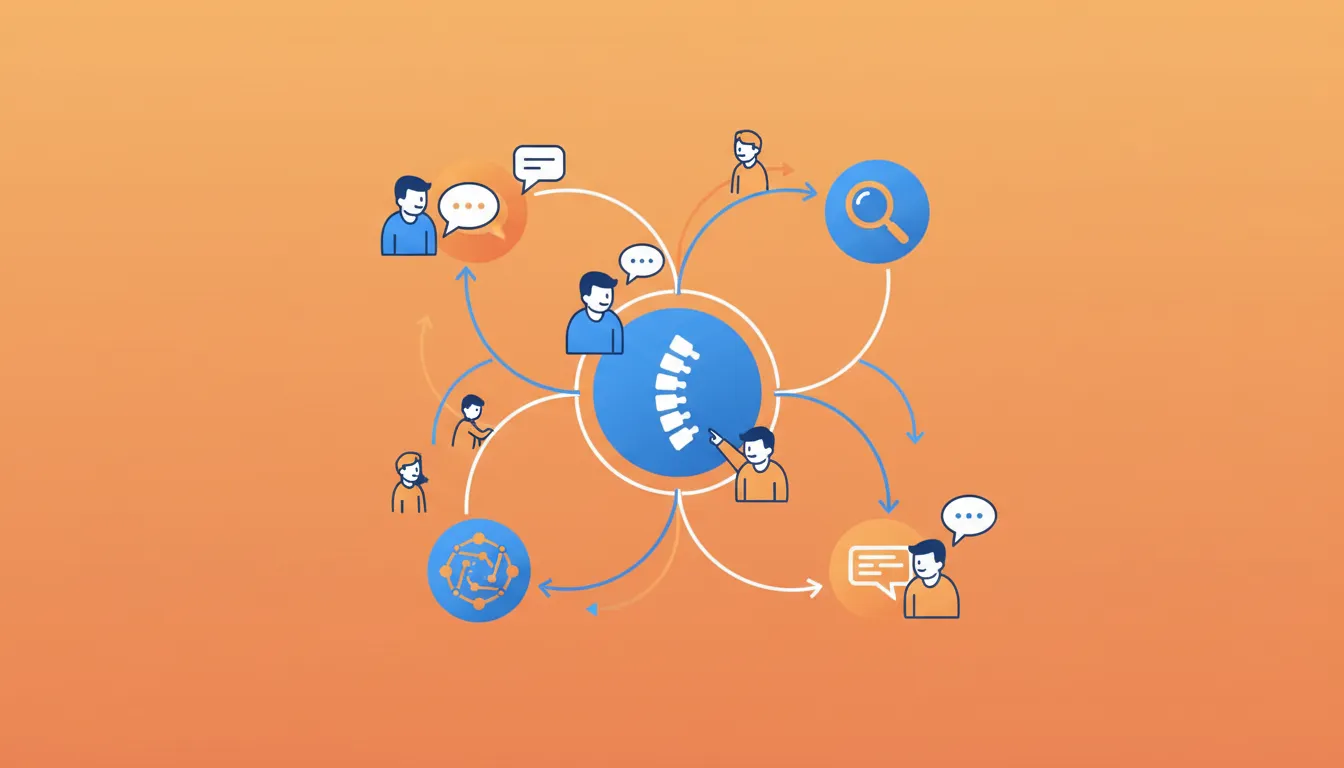
You can't optimize for "AI search" like it's one thing. Each major platform works differently, pulls from different sources, and needs slightly different approaches.
Let's break it down.
Google AI Overviews and AI Mode
Google's AI Overviews now dominate most informational searches. For healthcare? These AI summaries show up in nearly 90% of queries about treatments, procedures, and conditions.
Someone searches "how do chiropractors treat sciatica." Google's AI pulls info from multiple sources, mashes it together, and presents a conversational summary at the top. Traditional listings get pushed way down—often below the fold on mobile.
Here's what triggers AI Overviews in healthcare:
- Treatment and procedure queries: 100% AI Overview presence
- Pain-related queries: 98% AI Overview presence
- Symptoms and conditions: 93% AI Overview presence
- Medical coding queries: 90% AI Overview presence
And here's the thing. Longer, conversational queries (7+ words) trigger AI Overviews 74% of the time. Those are exactly the high-intent questions that lead to booked appointments.
Google's AI Mode takes it further. Instead of any traditional results, users can have full conversations where Google's Gemini model provides direct answers, follow-ups, and synthesized research—all without showing regular links unless specifically asked.
ChatGPT and Bing
ChatGPT has 800 million weekly users. When they ask health questions, ChatGPT uses its training data plus real-time Bing searches to generate responses.
Here's the critical insight: 87% of ChatGPT citations match Bing's top results.
So optimizing for Bing directly improves your ChatGPT visibility. Most practices completely ignore Bing because it has smaller market share than Google. That's exactly why it's an opportunity.
Bing Places optimization, Bing Webmaster Tools submission, and content that ranks on Bing will massively impact your AI citation rates. Your competitors aren't doing this. You should be.
ChatGPT also loves content with clear structure, authoritative citations, and comprehensive depth. It cites sources that answer questions directly—not sources that bury answers under marketing fluff.
Perplexity AI
Perplexity is the fastest-growing AI search platform right now. Hundreds of millions of queries monthly. Unlike ChatGPT, Perplexity searches the web in real-time and provides clickable citations for every answer.
This makes Perplexity super valuable: when you're cited, users can click straight to your site. Actual trackable referral traffic.
Perplexity optimization focuses on:
- Fresh content: Perplexity heavily weights recency. 64% of citations come from 2024-2025 content.
- Structured data: Clear question-answer formats matching how users search
- Multiple corroborating sources: Perplexity cross-references info across sites
- Local specificity: Perplexity surfaces highly specific, location-bound results
For local chiropractic practices, Perplexity is the most transparent and trackable AI opportunity. You can see exactly when you're cited and measure the traffic.
Building Your AEO Foundation (The Technical Stuff)
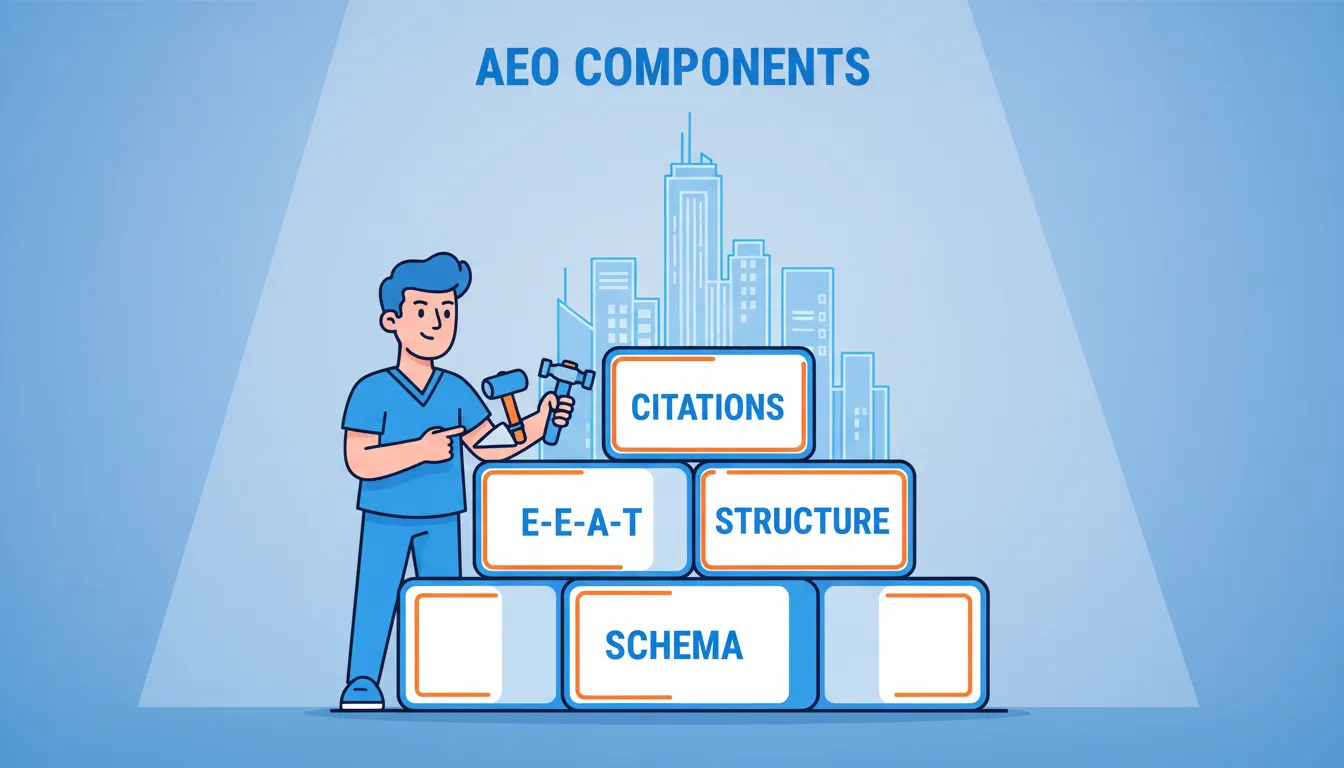
Before we get into content strategy, you need technical infrastructure that AI systems can actually read. Most practice websites fail on basics that make them invisible to AI regardless of content quality.
Let's fix that.
Schema Markup: Speaking AI's Language
Schema markup is structured data that tells search engines and AI exactly what your content means. It's the difference between AI guessing what your page is about versus knowing for sure.
For chiropractic practices, you need these schema types:
- LocalBusiness or MedicalBusiness: Core practice info (name, address, phone, hours, services)
- Physician: Individual provider profiles with credentials, specialties, affiliations
- FAQPage: Question-answer pairs that AI can directly cite
- MedicalCondition: Detailed info about conditions you treat
- Service: Specific services with descriptions and pricing ranges
Here's why this matters. AI systems parse structured data with way higher accuracy than regular content. Pages using proper schema are 40% more likely to be cited by AI engines.
MedicalBusiness schema is huge for healthcare. You can specify medical specialties, insurance networks, languages spoken, accessibility features, and available services with descriptions.
This structured data feeds directly into knowledge graphs that AI references. Without it, AI platforms have to guess—and they often guess wrong or skip you entirely.
Site Setup for AI Crawlers
AI platforms use specialized crawlers to access your content. ChatGPT uses GPTBot. Perplexity uses PerplexityBot. Google's AI systems use various crawlers.
First thing: make sure you're not accidentally blocking these crawlers. Check your robots.txt for any blocks on GPTBot, PerplexityBot, or AI crawlers.
Second thing: make sure your content loads without JavaScript. Many AI crawlers struggle with JavaScript-heavy sites. Pages that load content dynamically might look blank to these crawlers.
Server-side rendering or static site generation keeps your content immediately readable. If you're using DropFunnels or WordPress with Beaver Builder, this is typically handled for you. But verify it.
Third thing: create clear internal linking that helps AI understand how topics connect. Pillar pages linking to detailed subtopic pages build topical authority that AI systems recognize.
E-E-A-T Signals AI Systems Trust
E-E-A-T stands for Experience, Expertise, Authoritativeness, and Trustworthiness. Google uses these for traditional search, and they're equally critical for AI citations.
Here's how to show E-E-A-T for your practice:
Experience: Publish content showing real clinical experience. Case studies (anonymized), treatment explanations from the practitioner's perspective, content referencing actual patient outcomes.
Expertise: Display credentials prominently. License numbers, board certifications, continuing education, professional affiliations. Create detailed provider bio pages with education, specializations, years of practice.
Authoritativeness: Get mentioned on authoritative third-party sites. Industry directories, local business associations, healthcare publications. Build relationships with local physicians for referral mentions.
Trustworthiness: Consistent NAP (Name, Address, Phone) across all directories. Clear privacy policies. Transparent pricing. Patient reviews on Google, Yelp, and healthcare-specific platforms.
AI evaluates these signals when deciding which sources to cite. A website with thin content, no provider info, and inconsistent directory listings gets passed over for practices showing clear expertise.
Ready to See How We Fix Chiropractic Websites?
We've transformed 150+ service-based websites using our proven 4-step system. See exactly how we combine premium design with conversion science.
Content Strategy That Gets AI Citations

Content is where AEO wins or loses. Structure, depth, and formatting directly determine whether AI cites you or ignores you.
Here's what works.
Question-First Content
AI systems exist to answer questions. Your content needs to be built as the answer.
Every major piece of content should center on a specific question patients actually ask. Not keyword variations—actual questions in natural language.
- "What causes sciatica pain down my leg?"
- "How many chiropractic sessions do I need for neck pain?"
- "Is chiropractic safe during pregnancy?"
- "What's the difference between a chiropractor and physical therapist?"
Each question becomes the foundation for comprehensive content that answers completely—then anticipates and answers follow-up questions.
This isn't just about FAQ sections (though you need those). It's about structuring entire pages around direct answers to specific questions.
The opening paragraph of any content piece should provide a clear, direct answer. AI prioritizes content where the answer shows up immediately. Content that buries answers after marketing fluff gets skipped.
Content Depth That Matters
AI platforms favor comprehensive resources over surface-level stuff. Practices winning AI citations publish 3,000-4,500+ word definitive guides on specific conditions—not 500-word blog posts that say nothing.
Here's the depth framework:
| Condition Pages | 2,500-3,500 words | Causes, symptoms, diagnosis, treatment options, expected outcomes, FAQs |
| Treatment Guides | 3,000-4,000 words | Process explanation, benefits, risks, recovery timeline, costs, comparison to alternatives |
| Comprehensive FAQs | 3,500-4,500 words | 15-25 questions with detailed answers, related resources, next steps |
Depth isn't about word count for its own sake. It's about covering every aspect of a topic so AI recognizes your content as the definitive resource.
A page about "chiropractic treatment for sciatica" should cover what sciatica is (clinical definition plus patient-friendly explanation), causes and contributing factors, symptoms and warning signs, diagnostic process, specific chiropractic approaches, expected timeline, what to do if treatment isn't working, complementary treatments, prevention strategies, insurance and cost considerations, and FAQs.
That's comprehensive content AI will cite. A 300-word page saying "we treat sciatica with gentle adjustments" is worthless now.
Tables and Structured Data in Content
AI parses tables with way higher accuracy than paragraphs of text. Tables create "grab points" where AI can extract specific info for answers.
Include tables for:
- Comparison data (chiropractic vs. physical therapy vs. massage for specific conditions)
- Timeline info (expected recovery milestones)
- Cost breakdowns (average session costs, package pricing)
- Treatment protocols (frequency and duration by condition severity)
Here's an example structure AI loves:
| Acute Care | Weeks 1-4 | 2-3x per week | Pain reduction 40-60% |
| Corrective Care | Weeks 5-12 | 1-2x per week | Function improvement, pain reduction 70-80% |
| Maintenance | Ongoing | Monthly or as needed | Sustained improvement, prevention |
Tables with context and explanation (not just numbers or checkmarks) perform best. AI extracts this structured info and drops it directly into responses.
Local AEO Strategy for Your Practice
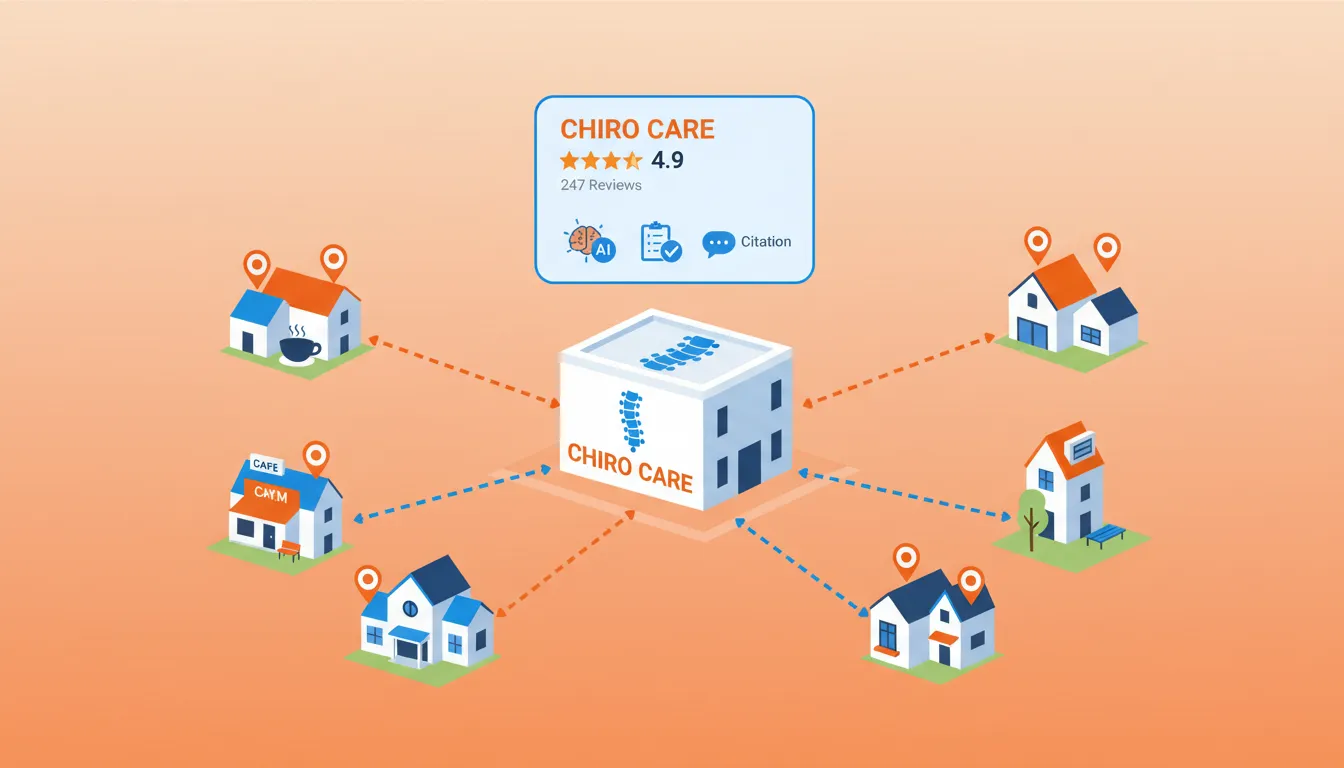
National SEO advice doesn't translate directly to local practices. You're not competing for "best chiropractor" nationally—you're competing to be the cited authority in your specific market.
Local AEO needs different tactics.
Google Business Profile for AI
Google's AI pulls heavily from Google Business Profile data for local queries. An optimized GBP is foundational.
What to nail:
- Complete every field: Services, attributes, products, Q&A, description—nothing blank
- Regular updates: Post weekly showing activity (Google favors active profiles)
- Photo diversity: Office photos, treatment rooms, staff, equipment (AI evaluates visual content)
- Q&A section: Pre-load common questions with comprehensive answers
- Review responses: Respond to every review thoughtfully
The Services section deserves extra attention. List every service with detailed descriptions. Include conditions treated, techniques used, expected outcomes. This structured service data feeds directly into AI's understanding of your practice.
For Q&A, don't wait for patients to ask. Add the 15-20 most common questions yourself with comprehensive answers. These become direct sources for AI citations on local queries.
City-Specific Content AI Actually Cites
Generic location pages don't work. "Chiropractor in Austin" pages that just swap city names are transparent to AI and provide zero citation value.
Good local content includes:
- Specific community references: Neighborhoods, local landmarks, community events
- Local health context: Health concerns specific to your area (climate-related conditions, common occupations and related issues)
- Local partnerships: Relationships with local gyms, sports teams, physicians
- Community involvement: Participation in local events, health fairs, community organizations
Create content that could only apply to your specific market. AI recognizes authentic local expertise versus templated location pages.
Instead of "We provide chiropractic care for neck pain in Denver," create content about "How Denver's desk-heavy tech workforce leads to specific postural issues and what local workers can do about it."
NAP Consistency and Citations
NAP (Name, Address, Phone) consistency is still critical. AI uses citation consistency as a trust signal—inconsistent info signals unreliability.
Audit these directories for identical information:
- Google Business Profile
- Bing Places (critical for ChatGPT visibility)
- Apple Maps
- Yelp
- Healthgrades
- Zocdoc
- WebMD
- Local chamber of commerce
- State chiropractic association directory
Beyond directories, get citations from local news sites, community blogs, and local business partnerships. AI weights local citations heavily for location-specific queries.
AI-Powered Keyword Research
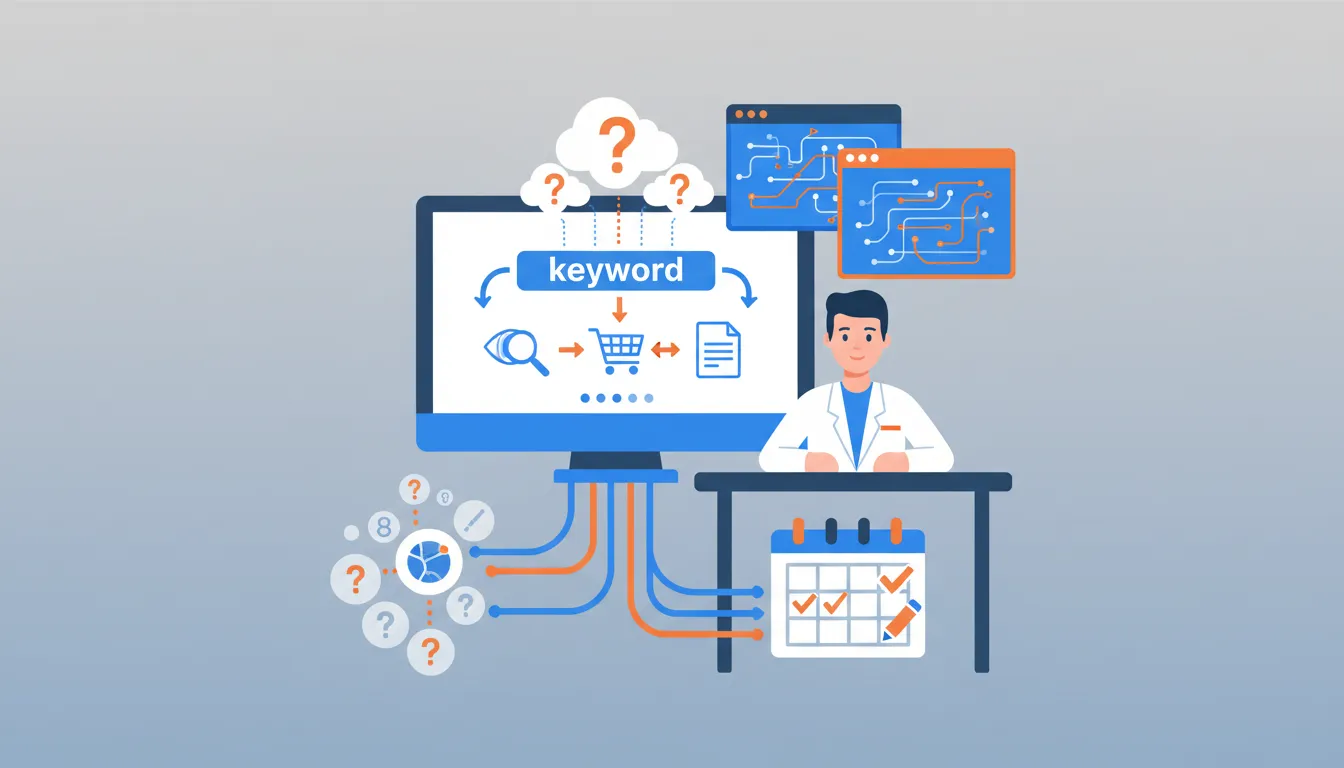
Keyword research in 2026 isn't about finding high-volume terms to stuff into pages. It's about discovering the actual questions patients ask AI—and creating content that becomes the answer.
The tools and process have evolved.
AnswerThePublic for Question Discovery
AnswerThePublic is solid for discovering question-based queries. It pulls autocomplete data from Google and Bing to show exactly what people search for.
Enter "chiropractic" and you get hundreds of questions organized by type: what, how, why, when, can, should. These map directly to patient intent.
- What questions = informational/educational content
- How questions = process/treatment explanations
- Why questions = trust-building content
- Can questions = permission-seeking content (can chiropractic help with...)
- Should questions = decision-stage content
Key insight: focus on questions 7+ words long. These conversational, specific queries trigger AI Overviews 74% of the time. Short phrases trigger AI less frequently.
Mining AI Platforms Directly
The most accurate research method? Query AI platforms directly.
Open ChatGPT, Perplexity, and Google's AI Mode. Search questions about conditions you treat. Note:
- Which practices or websites get cited
- What format the cited content uses
- What question types generate citations vs. general answers
- Where gaps exist you could fill
This isn't just research—it's competitive intel. You see exactly what content wins citations and what's missing.
For local queries, test specific questions: "Who is the best chiropractor for sciatica in [your city]?" "What chiropractic techniques work best for herniated discs?" "How much does chiropractic treatment cost in [your city]?"
Not being cited? Note who is. Analyze their content structure, depth, formatting. That's your benchmark.
Long-Tail Questions by Intent
Organize research by patient intent:
Awareness Stage (knows they have a problem, not the solution):
- "Why does my lower back hurt when I sit?"
- "What causes neck pain and headaches?"
- "Can stress cause back pain?"
Consideration Stage (evaluating options):
- "Is chiropractic effective for herniated disc?"
- "Chiropractor vs physical therapist for sciatica"
- "How long does chiropractic treatment take to work?"
Decision Stage (ready to choose):
- "Best chiropractor for [condition] in [city]"
- "Chiropractor near me that takes [insurance]"
- "What to expect at first chiropractic visit"
Create comprehensive content for each stage. AI serves different content based on intent—your content library needs to match.
Schema Markup Implementation for Healthcare
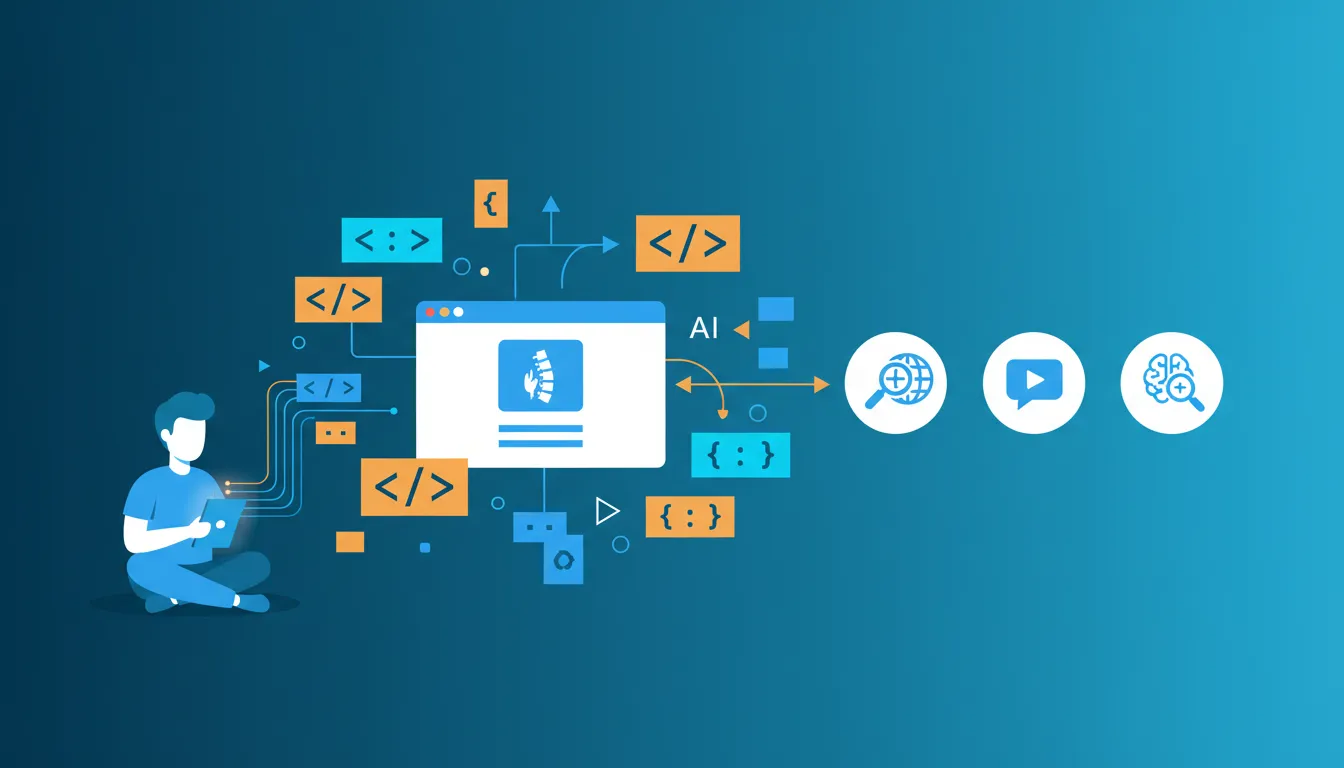
Schema markup is the technical bridge between your content and AI. Without it, AI has to guess what your content means. With it, you're speaking directly to algorithms in their language.
Here's how to implement it.
Essential Schema for Chiropractic Practices
Start with these core schemas:
LocalBusiness or MedicalBusiness Schema
This is foundational. It tells AI exactly what your business is, where it's located, what it offers.
Include these properties:
- @type: "Chiropractor" or "MedicalBusiness"
- name (exact business name)
- address (full structured address)
- telephone
- openingHours (structured by day)
- priceRange
- image (logo and practice photos)
- sameAs (links to social profiles)
- medicalSpecialty (specific conditions/techniques)
- availableService (array of services)
Physician Schema
For each provider:
- name
- jobTitle
- medicalSpecialty
- alumniOf (education)
- memberOf (professional associations)
- availableService
- worksFor (links to your practice)
FAQPage Schema
Critical for AI citations. Every FAQ on your site should have FAQPage schema wrapping the questions and answers.
AI parses FAQPage schema with high accuracy and frequently cites these Q&A pairs directly in responses.
Condition and Service Schema
For condition-specific pages, use MedicalCondition schema:
- name (condition name)
- alternateName (common patient names)
- signOrSymptom (array of symptoms)
- possibleTreatment (links to your services)
- riskFactor (contributing factors)
For service pages, use Service or MedicalProcedure schema:
- name
- description
- provider (link to your practice)
- audience (who this serves)
- howPerformed (brief explanation)
- preparation (what patients should do before)
- followup (aftercare info)
More structured data about conditions and services = more confident AI citations.
Validating Schema
After implementing, validate using:
- Google's Rich Results Test - Confirms Google reads your markup
- Schema.org Validator - Checks structural validity
- Manual AI platform testing - Query ChatGPT and Perplexity to see if you're cited
Common errors that break AI visibility:
- Missing required properties
- Incorrect nesting structure
- Conflicting data between schema and visible content
- Invalid URLs in sameAs or image properties
Fix these immediately—they can completely block AI from understanding your site.
Tools for AI SEO Success
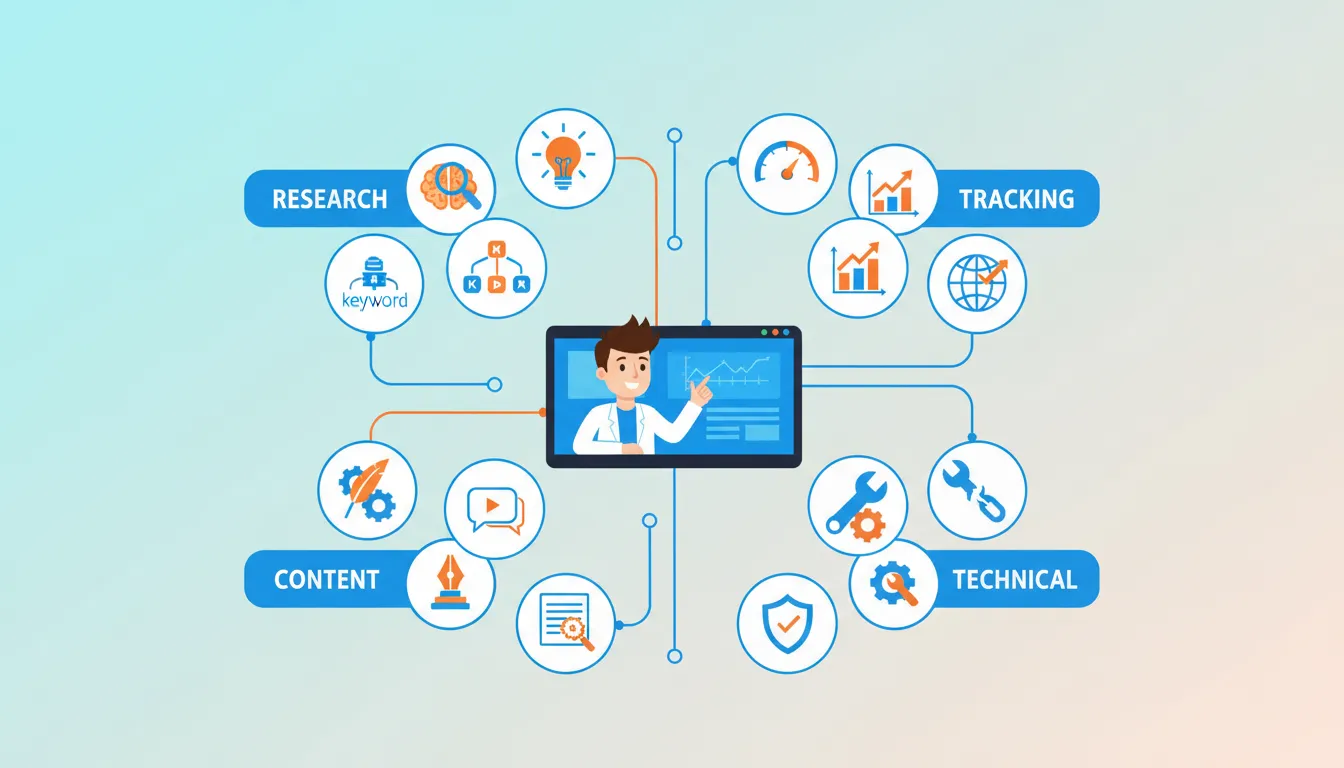
You don't need expensive tools for AI-powered SEO. But you do need the right tools for the right jobs.
Here's the practical stack.
Free Tools to Start
Google Search Console: Track which queries trigger AI Overviews for your content. Monitor impressions vs. clicks to understand zero-click impact.
Bing Webmaster Tools: Essential since ChatGPT relies heavily on Bing. Submit your sitemap, monitor indexing, track Bing performance.
AnswerThePublic (free tier): 3 searches daily for question-based keyword research.
Google's Rich Results Test: Validate schema markup.
Direct AI Platform Testing: Manually query ChatGPT, Perplexity, and Google AI Mode weekly to track citations.
Paid Tools Worth It
Perplexity Pro ($20/month): Unlimited searches plus competitor research and citation tracking.
SurferSEO or NeuronWriter: AI-driven content optimization for both traditional SEO and AI citations. Analyze what's ranking and get data-driven structure recommendations.
Schema App or similar: If you're not comfortable writing schema manually, these generate valid structured data through visual interfaces.
AI Visibility Trackers: Tools like Otterly.AI automatically monitor when your brand gets cited across AI platforms. Essential for measuring AEO success.
The Process Stack
Beyond tools, establish this regular process:
Weekly:
- Test 5-10 relevant queries across ChatGPT, Perplexity, Google AI Mode
- Note citations, competitors cited, content gaps
- Log in tracking spreadsheet
Monthly:
- Analyze Search Console for AI Overview impacts
- Review Bing performance alongside Google
- Audit schema for errors
- Identify content gaps from AI testing
Quarterly:
- Comprehensive competitor citation analysis
- Content calendar planning based on citation opportunities
- Schema expansion to additional pages
- Update existing content for freshness
This doesn't require complex software. It requires discipline and consistent attention to how AI responds to queries in your market.
Using best chiropractic AI automation tools streamlines content creation, but monitoring and strategy need human attention.
Measuring AEO Success (Beyond Old Metrics)
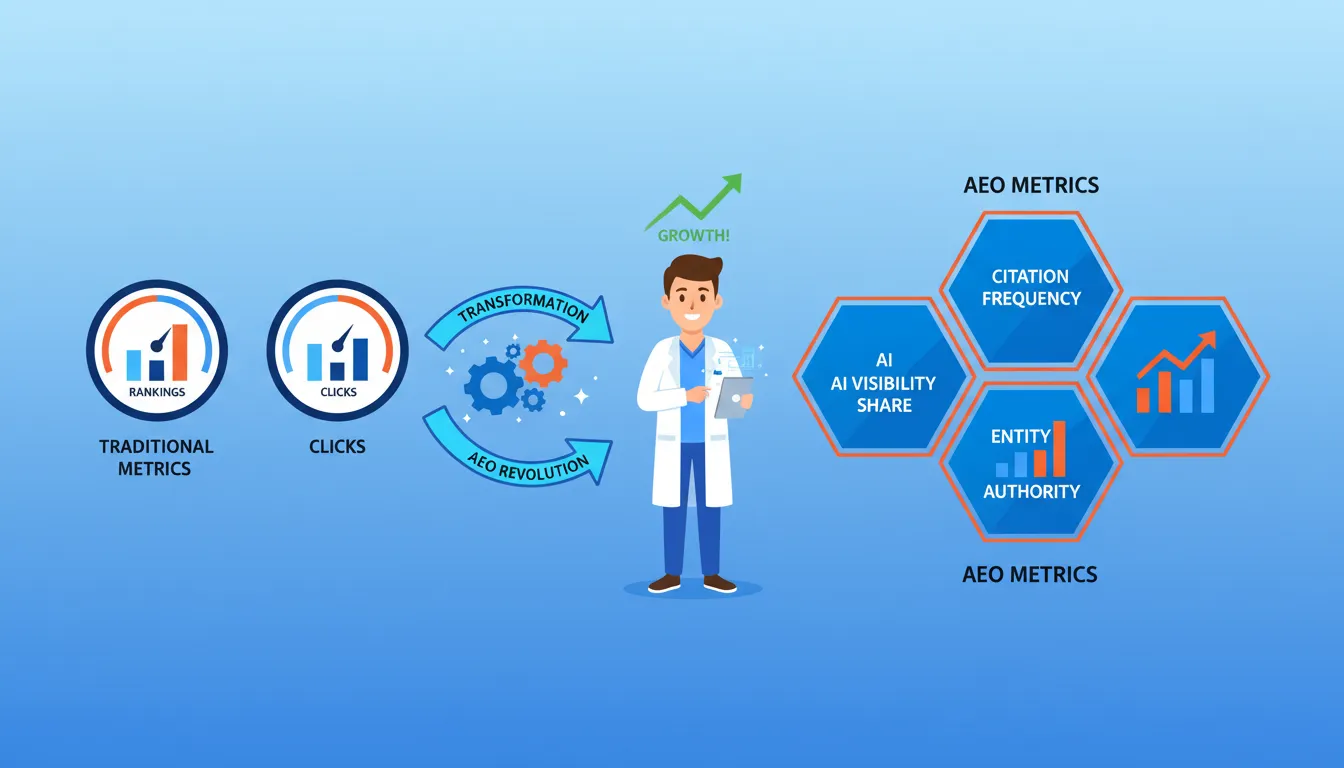
Traditional metrics—rankings, organic traffic, click-through rates—are increasingly incomplete. When 60% of searches end without clicks, traffic doesn't tell the whole story.
Here's how to measure what matters now.
New Metrics That Actually Matter
Citation Frequency: How often does your practice get mentioned in AI responses? Track manually across platforms weekly.
AI Visibility Share: Of queries relevant to your practice, what percentage of AI responses cite you vs. competitors? This is your "Share of Model"—AI's version of market share.
Zero-Click Impressions: Search Console shows impressions without clicks. High impressions with low clicks in AI Overview queries means you're being seen in AI summaries—potentially positive visibility even without traffic.
Referral Quality from AI: When AI platforms do send traffic (especially Perplexity), how does it convert vs. organic search? AI-referred visitors typically convert 4x better because the AI recommendation already pre-sold them. Combined with strategies for stopping no-show revenue leaks, this high-quality traffic becomes even more valuable.
Entity Authority Signals: Track mentions across sources AI references—local directories, review platforms, industry publications.
Setting Up Tracking
Create an AI visibility tracking system:
- GA4 AI Traffic Segment: Custom channel grouping for referrals from chatgpt.com, perplexity.ai, other AI platforms. Track separately from organic.
- Weekly Query Testing Log: Spreadsheet tracking test queries, citation appearances, URLs cited, competitors mentioned.
- Search Console AI Segment: Filters for queries triggering AI Overviews in your category. Monitor impression-to-click ratios.
Review Platform Monitoring: Track review volume and ratings across Google, Yelp, Healthgrades (AI weights review signals heavily).
Realistic Timeline
AEO isn't instant. Set appropriate expectations:
- Weeks 1-4: Technical foundation (schema, site audit, crawlability fixes)
- Weeks 5-12: Content development (comprehensive guides, FAQ expansion, local content)
- Months 3-6: Citations start appearing; Perplexity typically faster than ChatGPT
- Months 6-12: Sustained visibility improvement as content authority builds
Most practices see initial Perplexity citations within 2-4 weeks. ChatGPT takes longer since it relies on sustained Bing visibility. Google AI Overviews depend on traditional ranking plus structured data quality.
Patience matters. Building authority signals AI trusts takes consistent effort over months, not days.
Common AEO Mistakes to Avoid
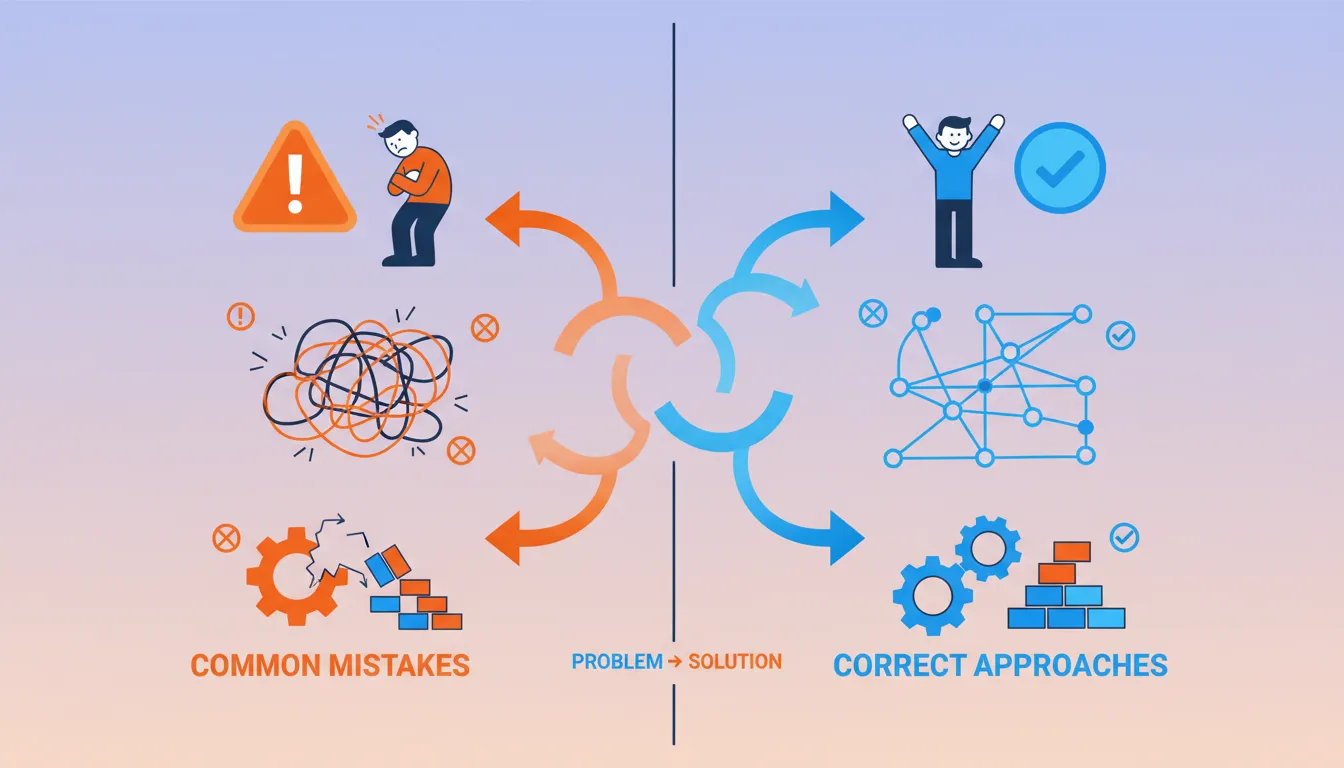
Most practices fail at AEO not because it's complicated but because they make avoidable errors that block AI visibility entirely.
Here's what to avoid.
Technical Failures That Block AI
Blocking AI crawlers: Some practices accidentally block GPTBot and PerplexityBot in robots.txt based on outdated advice. Check your robots.txt now. Blocking AI crawlers = invisible to AI regardless of content quality.
JavaScript-dependent content: If content only loads after JavaScript runs, many AI crawlers see blank pages. Test your site with JavaScript disabled to see what crawlers see.
Broken schema: Schema with errors or that doesn't match visible content actually hurts visibility. AI detects inconsistencies and reduces trust.
Slow load times: AI crawlers have timeout limits. Slow pages get crawled less frequently and less completely.
Content Strategy Failures
Thin content: 500-word pages saying nothing can't compete with 3,500-word comprehensive guides. AI has no reason to cite shallow content.
Keyword stuffing instead of answering questions: AI doesn't look for keyword density. It looks for comprehensive, helpful answers to specific questions.
Ignoring freshness: Content from 2021 signals outdated info. AI weights recency, especially for medical content where guidance evolves.
Generic location pages: Swapping city names in otherwise identical pages is transparent to AI. Create authentically local content or don't bother.
Measurement Failures
Obsessing over rankings: Traditional rankings matter less when most searches end in AI summaries. A practice ranking #3 might get more AI citations than the one ranking #1.
Ignoring Bing: ChatGPT citations correlate strongly with Bing rankings. Practices ignoring Bing miss major AI visibility.
Not testing AI platforms: If you're not regularly querying ChatGPT and Perplexity, you don't know where you stand. Manual testing is essential.
Expecting instant results: AEO builds over months. Practices that implement for two weeks and give up never see results.
Frequently Asked Questions
How is AI changing chiropractic SEO in 2026?
It's completely shifting how patients find you. Nearly 60% of Google searches end without a click now, and AI Overviews show up in about 89% of healthcare queries.
Instead of competing for rankings, you're competing for AI citations. That means optimizing for ChatGPT, Perplexity, and Google's AI Mode—not just traditional results.
The practices showing up when AI answers "best chiropractor for [condition]" are winning patients that never appear in traditional traffic numbers.
What's the difference between SEO and AEO for chiropractors?
Traditional SEO = rank pages to get clicks. AEO = become the source AI cites when answering questions.
With AI search, you're not fighting for position #1. You're competing to be one of the 2-7 sources AI references per query. Different content strategies, different structure, different metrics.
Success shifts from click-through rate to citation frequency.
Is AI-generated SEO content HIPAA compliant?
Yep, when done right. AI SEO tools don't need Protected Health Information to optimize your content. You're using AI for keyword research, content structure, schema markup—not processing patient data.
The rule: never input patient info into public AI tools. Focus AI assistance on marketing content only.
What you can't do: use AI chatbots for patient communication without proper HIPAA-compliant setup.
How do I get cited in ChatGPT?
ChatGPT leans heavily on Bing—87% of ChatGPT citations match Bing's top results.
So optimize your Bing Places listing completely. Create comprehensive FAQ pages answering specific questions. Implement proper schema. Build content with clear question-answer structure.
Focus on authoritative, well-structured content that directly answers patient queries. Most competitors ignore Bing entirely. That's your opportunity.
What are the best free AI SEO tools for small clinics?
Start with AnswerThePublic (3 free searches daily) for question discovery, Google Search Console for tracking AI Overview appearances, and Bing Webmaster Tools for ChatGPT-relevant performance.
Use Perplexity directly for competitor research—query your terms and note who gets cited. Google's Rich Results Test validates schema for free.
For measurement, a simple spreadsheet logging weekly AI platform tests works great. No expensive tools needed.
Will Google penalize me for using AI-powered SEO?
Nope. Google doesn't penalize AI-assisted content. They penalize low-quality content regardless of how it was made.
Their guidance is clear: helpful, people-first content showing E-E-A-T wins. Use AI to create better content faster—not to generate spam.
Quality, accuracy, and user value determine success. Not whether a human or AI helped create it.
How do I find zero-click questions patients ask AI?
Use AnswerThePublic for question-based queries. Check Google's People Also Ask for your conditions. Test queries directly in ChatGPT and Perplexity.
Focus on conversational, multi-sentence questions. Healthcare queries 7+ words trigger AI Overviews 74% of the time.
Also watch how patients phrase questions to best chiropractic AI chatbots. Those conversational patterns reveal real search behavior.
Do I still need backlinks in 2026?
Yeah, but their role is evolving. Backlinks still signal authority to Google and AI systems. Strong backlink profiles correlate with better AI citation rates.
But AI platform citations are becoming equally important. The goal: build domain authority that both traditional search and AI recognize as trustworthy.
Quality backlinks from healthcare directories, local businesses, and industry publications still matter. Just integrate them into broader authority building that includes AI visibility.
Wrapping Up
The shift from SEO to AEO isn't coming. It's here.
Nearly 60% of searches already end without clicks. AI Overviews dominate healthcare queries. Your future patients are asking ChatGPT and Perplexity for recommendations—and if you're not being cited, you're invisible.
Practices that win in 2026 stopped thinking about "ranking" and started thinking about "being cited." They're building comprehensive content AI trusts. They're implementing schema AI understands. They're optimizing for Bing alongside Google. They're measuring citation frequency, not just traffic.
This isn't complicated. But it does need commitment. Technical foundation, content depth, local optimization, consistent measurement over months.
Start with fundamentals: audit your schema, check AI crawler access, create one comprehensive condition guide, start weekly AI platform testing. Build from there. These tactics work alongside broader strategies to scale your chiropractic practice in 2025 and beyond.
Your competitors are still running 2020 playbooks. That's your advantage—but it won't last forever.
Look, I get it—this is a lot to implement while actually running a practice and treating patients.
If you're thinking "this all makes sense, but I don't have time to do it right," you're not alone. Most successful chiropractors we work with felt the same way before they realized their website was quietly costing them 15-20 qualified patient leads every single month.
That's why we created our Free Website Conversion Analysis. It's not a sales pitch—it's a genuine walkthrough of the 3 biggest problems killing your bookings, delivered personally via Loom video within 24 hours.
We'll show you exactly:
- Why visitors leave without booking
- What's broken on mobile (where most searches happen)
- Missing trust signals costing you patients
- Where you rank vs. local competitors
- Simple fixes that drive more calls this month
You'll also get an instant case study showing real examples of how other chiropractors fixed these exact problems.
Get your free analysis here — no credit card, no obligation, just actionable insights you can use whether you work with us or not.
Because every day your practice isn't optimized for AI search is another day patients are finding your competitors in ChatGPT and Perplexity instead of you.

Gerek Allen
Co-Owner iTech Valet
Entrepreneur, patriot, CrossFit junkie, IPA enthusiast, loves to travel to tropical destinations, and knows way too many movie quotes.


About iTech Valet
iTech Valet specializes in web design and content marketing for online entrepreneurs who want to share their expertise.
Services Include:
- Web Design
- Graphic Design
- Sales Copy
- Funnel Building
- Authority Sites
- Membership Sites
- Course Creation
- Email Systems
- Content Marketing
- Competitive Analysis
- Tech Integrations
- Strategic Planning
NEED MORE CLIENTS?
Free conversion-focused analysis uncovers the 3 biggest problems killing your bookings — we'll walk you through your results personally

621 Enterprises, Inc. | Copyright 2022 | All rights reserved