

Why is Traditional SEO Dying for Chiropractic Practices in 2026? (The AEO Shift)
 by Gerek Allen ~ Last Updated: February 1st, 2026 ~ 10 Min Read
by Gerek Allen
~ Last Updated: February 1st, 2026 ~
~ 10 Min Read ~
Here's the blunt truth: traditional SEO isn't working for chiropractors anymore because patients are getting answers from AI without ever clicking on your website.
The game's completely flipped. It's not about "ranking for keywords" anymore. It's about being the source AI actually cites when patients ask questions.
Let me break down what's happening. Gartner predicted a 25% drop in traditional search volume by 2026. SparkToro's research shows nearly 60% of Google searches now end without anyone clicking anything. And BrightEdge found AI Overviews appear in 89% of healthcare treatment searches.
Think about that for a second.
When a potential patient asks "Who's the best chiropractor for sciatica near me?"—they're getting a direct answer from ChatGPT or Google's AI. No clicking. No visiting your website. They just... get the answer.
The practices that understand this shift are pivoting to Answer Engine Optimization (AEO). They're optimizing to be the source AI cites, not just the page that ranks.
If you're still playing the traditional SEO game while competitors are building AI SEO for chiropractors strategies? You're basically invisible to a growing majority of patient searches.
This article breaks down what's happening, why it matters for your practice, and exactly what you need to do to stay visible.
The Zero-Click Reality: Why Rankings Don't Equal Patients Anymore
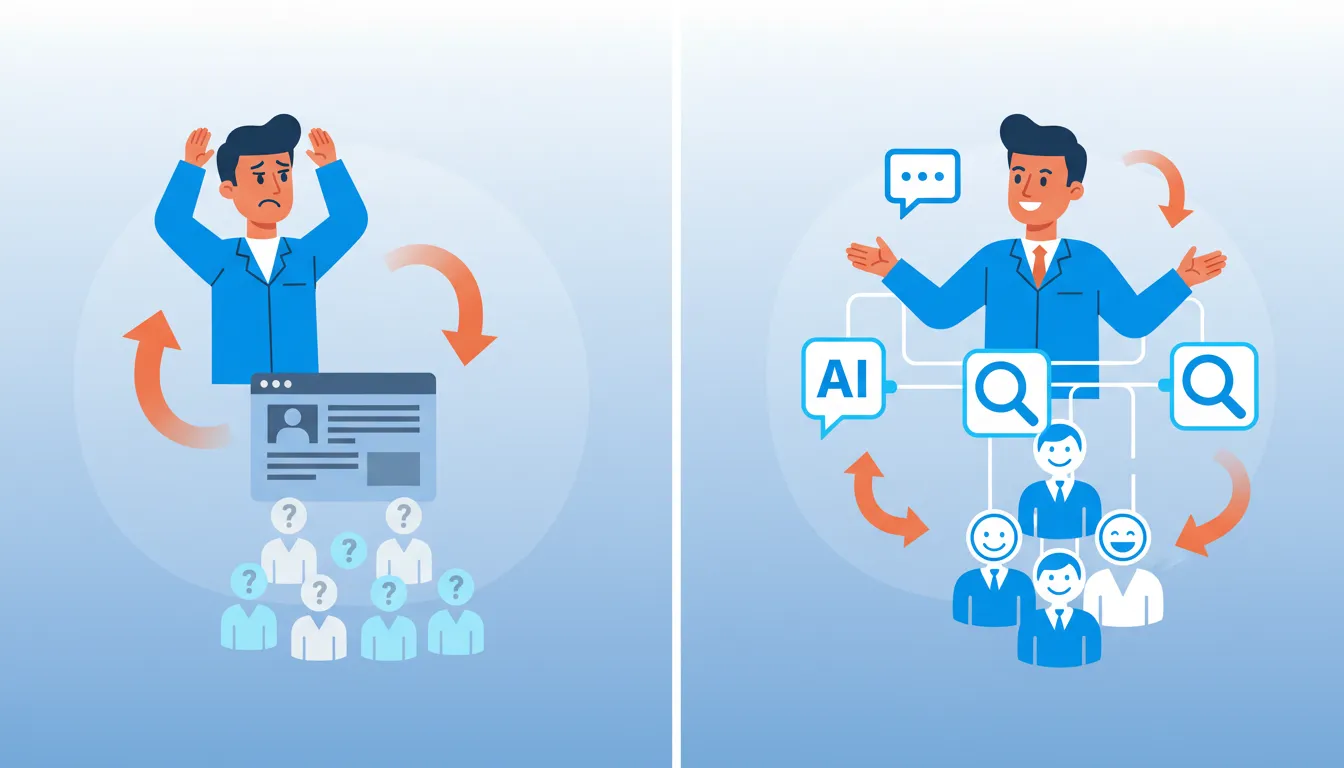

Let's talk brutal math for a second.
For every 1,000 Google searches in the US, only 360 clicks actually go to websites outside of Google's properties. The rest? People find what they need without clicking anywhere.
And for healthcare? The numbers are even worse.
AI Overviews now appear in 89% of treatment queries. 98% of pain-related searches. That's not some future prediction. That's happening right now, today.
What Zero-Click Actually Means for Your Practice
When someone searches "chiropractor for lower back pain," here's what happens in 2026:
- Google's AI Overview pops up first (happens in 89% of healthcare searches) - It pulls info from multiple sources and just... answers the question. No clicking required.
- Your listing gets buried - The first organic result now shows up 1,686 pixels below the fold. Patients have to scroll way down just to see you.
- Patients get answers, not options - Instead of picking from 10 blue links, they get one curated response. That response may or may not mention your practice.
Here's the kicker: the practices getting mentioned in those AI responses are winning new patients. Everyone else? Fighting over the remaining 40% of clicks.
The Traffic Cliff is Real
Major publishers have seen traffic declines of 26% to 55% year-over-year. All thanks to AI Overviews.
News websites collectively lost 600 million monthly visits in less than a year. Six. Hundred. Million.
Now think about your practice.
If you're relying on traditional SEO to drive patient inquiries, you're betting on a channel that's actively shrinking. The zero-click trend isn't slowing down—it's accelerating as AI gets better at providing complete answers.
And here's the counterintuitive part that'll mess with your head...
Even getting cited in AI Overviews doesn't guarantee traffic. Forbes ranks 49th in AI citations but still lost 50% of their search traffic. Being mentioned isn't the same as being clicked.
For chiropractors, the goal isn't just visibility—it's being positioned as the authoritative local answer AI presents when patients are ready to book.
Traditional SEO vs. AEO: The Game Has Completely Changed
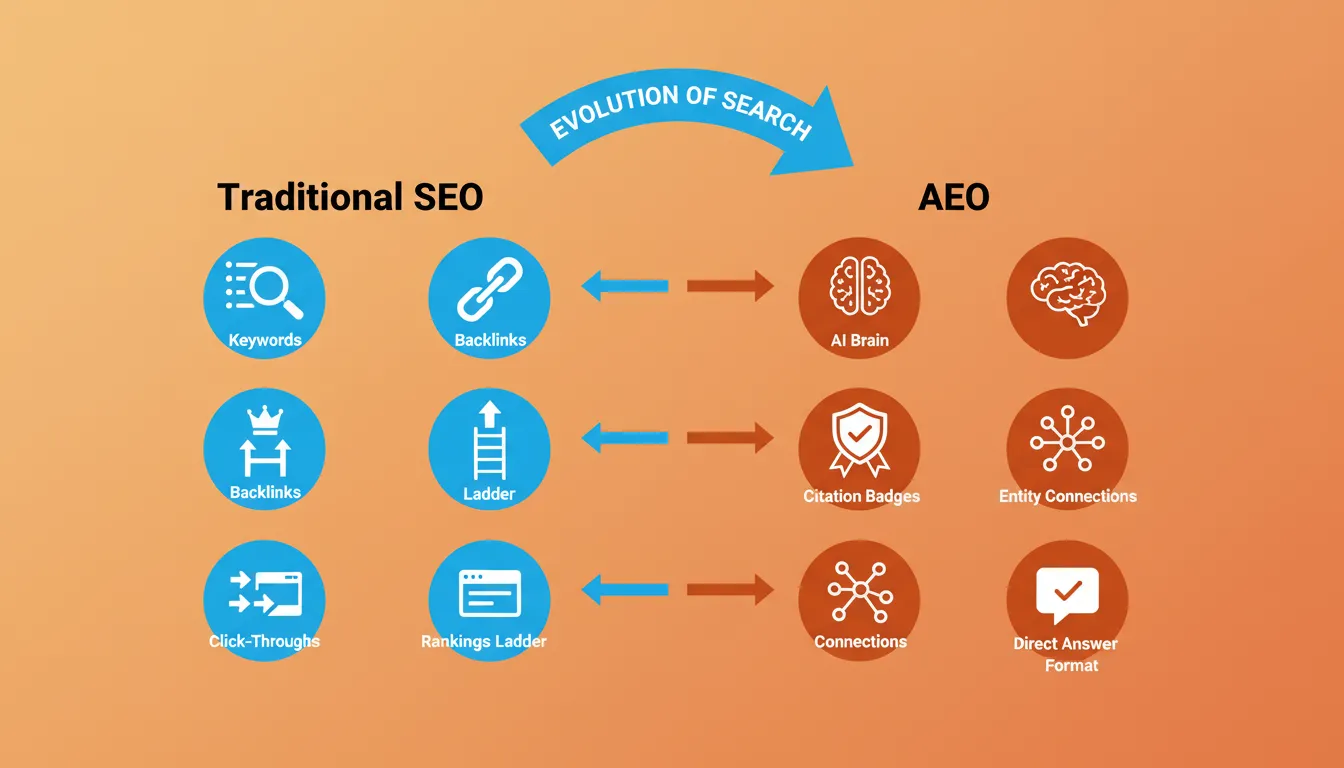
The difference between SEO and AEO isn't just tactical. It's philosophical.
And understanding this shift is the first step to finding high-intent chiro keywords with AI that actually generate patients.
Traditional SEO asks: "How do I rank higher than my competitors?"
AEO asks: "How do I become the answer AI trusts and cites?"
See the difference?
The Old Model: Ranking for Keywords
Traditional SEO worked on a pretty simple premise.
Find keywords patients search. Optimize your pages for those keywords. Build backlinks. Climb the rankings. Higher rankings = more clicks = more patients.
That model assumed two things that just aren't true anymore:
- Users would click on results - They increasingly don't
- Rankings = authority - AI systems evaluate authority completely differently
For two decades, chiropractors invested in keyword optimization, link building, and technical SEO. All trying to climb Google's rankings.
That investment isn't worthless. But its return is shrinking fast.
The New Model: Being the Cited Authority
AEO flips everything on its head.
Instead of optimizing for search engine crawlers, you're optimizing for AI systems that synthesize information into direct answers.
| Primary Goal | Rank higher in results | Get cited in AI answers |
| Success Metric | Position and click-through rate | Citation frequency |
| Content Focus | Keywords and search volume | Questions and complete answers |
| Authority Signals | Backlinks and domain rating | E-E-A-T, entity recognition |
| User Experience | Drive traffic to website | Provide the answer directly |
| Technical Priority | Page speed, mobile-friendly | Schema markup, structured data |
The practices winning in 2026 aren't just ranking—they're being recognized by AI as the definitive source for specific patient questions.
That's a completely different game.
Why This Matters Even More for Local Healthcare
Alright, quick reality check on something interesting...
BrightEdge research found Google completely reversed course on local healthcare queries. "Near me" searches went from 100% AI Overview coverage in 2023 to 0% in 2025.
Zero percent.
That means for truly local searches like "chiropractor near me," traditional local SEO still matters.
But for condition-based queries like "treatment for sciatica" or "best approach for spinal decompression"—the queries that indicate high-intent patients ready to book? AI Overviews dominate at 93-100% coverage.
Your strategy needs both.
Local optimization for proximity searches. AEO for condition and treatment searches. Miss either one? You're leaving patients on the table.
NEED MORE CLIENTS?
Free conversion-focused analysis uncovers the 3 biggest problems killing your bookings — we'll walk you through your results personally
The Five Intent Layers: How AI Decides If You're Worth Citing
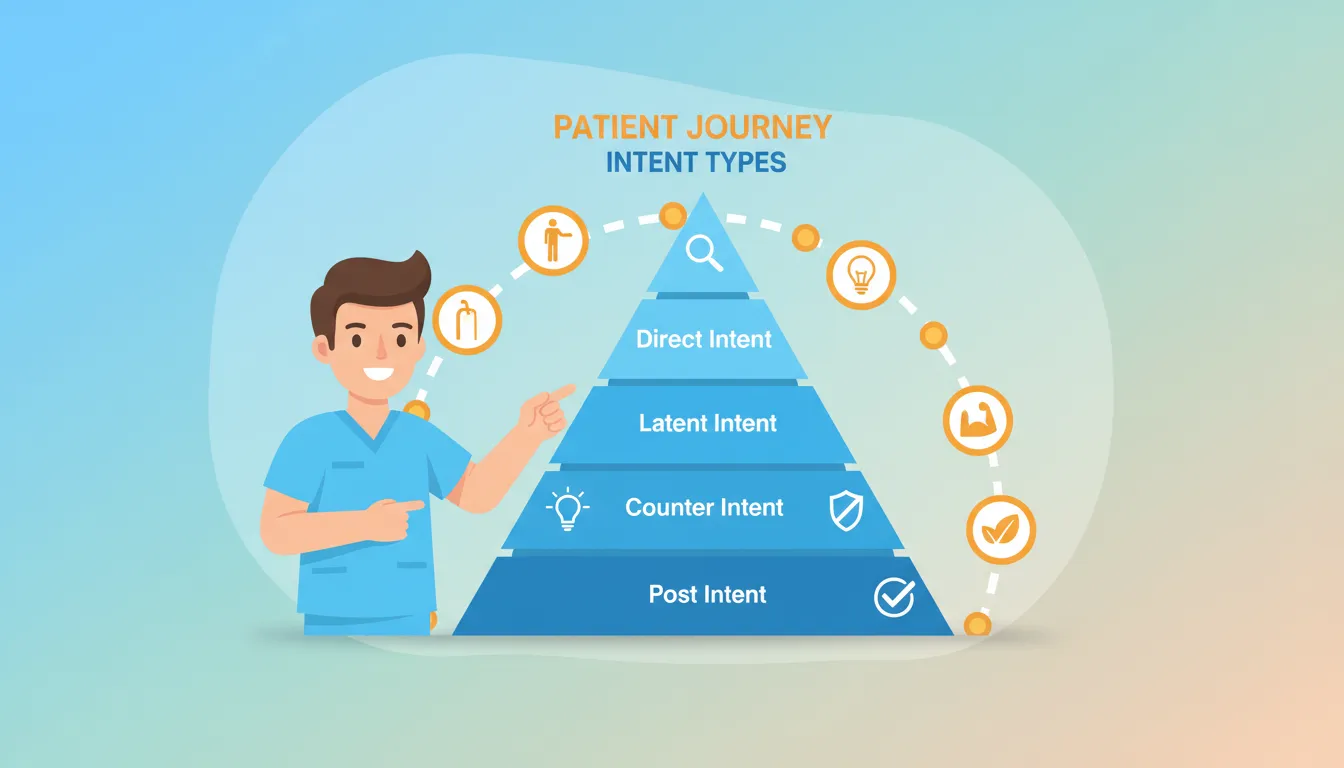
AI systems don't just match keywords anymore. They evaluate whether your content comprehensively addresses patient intent at multiple levels.
Understanding these layers is crucial for chiropractic AI content automation that actually gets cited.
Here's the thing... every patient question has depth most practices completely ignore. And that depth determines whether AI sees you as the authority or just another voice in the crowd.
Direct Intent: The Literal Question
This is what the patient actually typed.
"What causes lower back pain?"
"How much does a chiropractic visit cost?"
Most practices stop here. They answer the surface question and call it good content.
But AI systems compare your answer against dozens of other sources. If your response is thinner or less complete than competitors? You won't be cited. Doesn't matter how well you rank organically.
Indirect Intent: The Real Goal Behind the Question
When someone searches "chiropractic vs physical therapy," they're not looking for a dictionary definition.
They want to know which option will solve their specific problem faster and more affordably.
Content that addresses indirect intent:
- Connects symptoms to solutions - Not just what chiropractic is, but why it might be right for their situation
- Addresses the underlying motivation - Pain relief, function improvement, avoiding surgery
Provides decision-making frameworks - Help them choose, don't just inform them
Latent Intent: What They Don't Know They Need
Now... this part matters.
Latent intent is where authority really shows. It covers the things patients should be asking but aren't. Because they don't know enough yet.
For a patient searching about neck pain treatment, latent intent might include:
- Insurance and payment options - They'll need to figure this out eventually
- What to expect at the first visit - Reduces anxiety, increases booking likelihood
- How many visits are typically needed - Sets realistic expectations
- Red flags that indicate they need different care - Shows you prioritize their wellbeing over revenue
Content addressing latent intent positions you as the comprehensive resource. AI systems recognize this depth and cite sources that answer questions patients haven't even thought to ask yet.
Counter-Intent: Why They Might NOT Choose You
Here's where most practices completely fail.
Counter-intent addresses objections, concerns, and reasons patients might hesitate.
- "I've heard chiropractors just want you coming back forever" - Address the care plan concern directly
- "Is chiropractic actually safe?" - Provide evidence-based reassurance
- "What if it doesn't work for me?" - Discuss realistic outcomes and alternatives
- "I already paid for SEO and got nothing" - The skepticism transfers to all marketing claims
Content that honestly addresses objections builds trust with both patients and AI systems.
Transparency signals authority. Evasiveness signals something to hide.
Post-Intent: What Happens After the Answer
The patient got their answer. Now what?
Post-intent covers implementation, next steps, and realistic expectations.
For chiropractic content, this means:
- How to prepare for the first appointment
- What questions to ask the chiropractor
- Timeline for expected improvement
- When to seek additional opinions
AI systems favor content that completes the patient journey.
If your article answers the question but leaves them wondering "okay, but what do I actually do now?"—you've failed post-intent. And you probably won't be cited.
Building Entity Authority: The Foundation of AEO
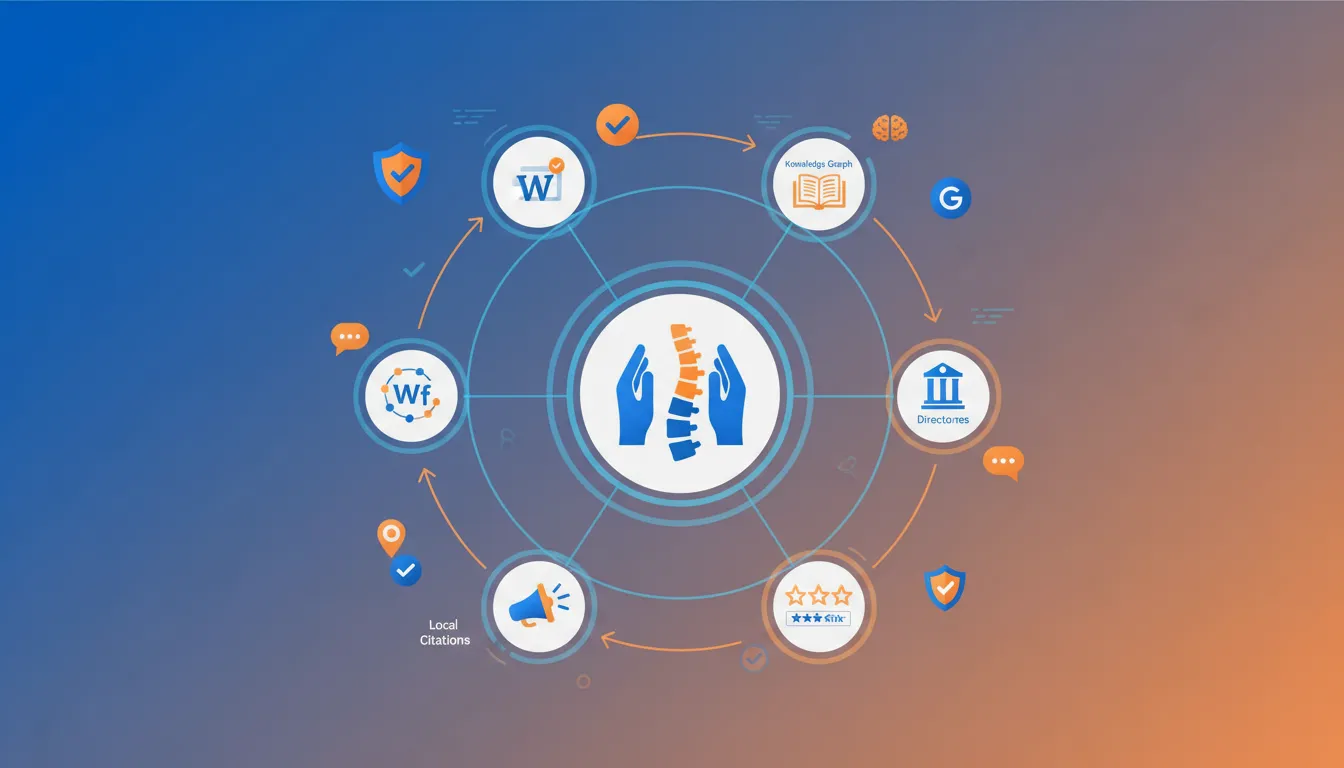
Here's the technical reality behind AI visibility that most people don't talk about.
AI systems cite entities, not just websites.
An entity is a recognized thing—a person, place, business, or concept—that exists in AI knowledge bases with verified attributes and relationships.
If your practice isn't established as a recognized entity? AI literally doesn't know you exist as a citeable source.
This is where building trust and authority signals becomes non-negotiable.
What Entity Recognition Actually Means
Google's Knowledge Graph contains 500 billion facts about 5 billion entities.
Let that sink in for a second. 500 billion facts.
When AI generates an answer, it pulls from recognized entities with established credibility.
For your practice to be cited, AI systems need to:
- Recognize your practice exists - Verified across multiple platforms
- Understand what you do - Clear specialty and service definitions
- Verify your expertise - Credentials, certifications, experience indicators
- Confirm your location and reach - Consistent NAP data everywhere
- Assess your reputation - Reviews, mentions, citations from other authorities
Research shows brands mentioned on 4+ platforms are 2.8x more likely to appear in ChatGPT responses.
Entity recognition isn't optional. It's the entry ticket.
The NAP Consistency Foundation
NAP (Name, Address, Phone) consistency across directories still matters—but for different reasons than before.
AI systems use citation consistency as a trust proxy. Inconsistent information signals unreliability.
Your practice info must match exactly across:
- Google Business Profile - The foundation of local entity recognition
- Major directories - Yelp, Healthgrades, Vitals, WebMD, Zocdoc
- Data aggregators - Factual, Neustar, Foursquare
- Industry-specific platforms - Chiropractic association directories
- Social profiles - Facebook, LinkedIn, Instagram
Even small inconsistencies matter. "St." vs "Street." "Suite" vs "Ste."
These tiny mismatches can fragment your entity recognition and tank your AI citation probability.
Schema Markup: Speaking AI's Language
Only 31.3% of websites implement any schema markup.
For healthcare, proper schema is basically required for AI visibility.
Essential schema types for chiropractic practices:
- LocalBusiness + MedicalBusiness - Establishes your practice type and location
- HealthcareService - Defines specific services offered
- Physician + MedicalSpecialty - Credentials and specializations
- FAQPage - Structured Q&A that AI can easily parse and cite
- Review + AggregateRating - Social proof in machine-readable format
Research shows proper schema markup increases AI citation rates by 47% for comparison content.
That's not a marginal improvement. That's the difference between being cited and being invisible.
| LocalBusiness | Establishes location entity | Required for local queries |
| MedicalBusiness | Identifies healthcare specialty | High impact for clinical queries |
| FAQPage | Structures Q&A content | 47% higher citation rate |
| HowTo | Step-by-step procedures | Preferred for procedural answers |
| Review | Patient testimonials | Builds trust signals |
Building Your Knowledge Graph Presence
Beyond your website, entity authority extends to how you're represented across the web's knowledge infrastructure.
Priority platforms for entity building:
- Wikidata - The primary source feeding Google's Knowledge Graph
- Wikipedia - If your practice or practitioners have notability criteria
- Google Scholar - Published research or cited expertise
- Professional associations - ACA, state associations, specialty certifications
- Local business databases - Chamber of commerce, Better Business Bureau
The goal is establishing your practice as a verified entity with clear expertise, location, and reputation.
Not just a website hoping to rank.
Ready to See How We Fix Chiropractic Websites?
We've transformed 150+ service-based websites using our proven 4-step system. See exactly how we combine premium design with conversion science.
Content Strategy for AI Citation: The Pillar Page Approach
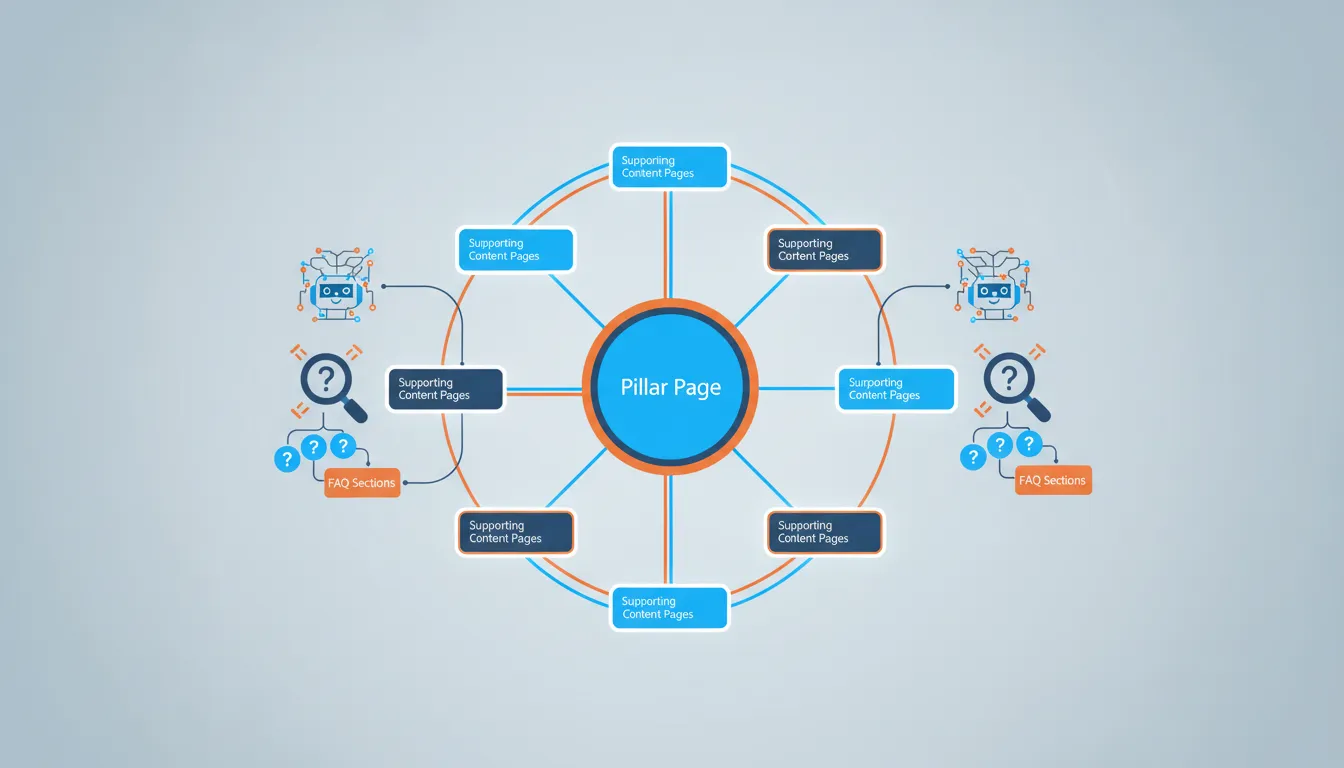
Traditional SEO favored lots of short, keyword-targeted pages.
AEO rewards comprehensive pillar content that establishes topical authority.
The difference in approach directly impacts whether AI systems see you as an expert worth citing. Understanding the right strategy is essential for your complete chiro growth strategy in the AI era.
Why Comprehensive Beats Fragmented
AI systems don't want to piece together answers from multiple thin pages. They want single, authoritative sources that comprehensively cover topics.
Research from SEOMator found that listicles make up 32% of all AI citations.
Not because lists are inherently better. But because comprehensive, structured content is easier for AI to extract and synthesize.
For chiropractic practices, this means:
- 2,500+ word pillar pages on core conditions (sciatica, herniated disc, neck pain)
- Complete coverage of causes, symptoms, treatments, expectations, and alternatives
- Structured formatting with clear H2/H3 hierarchy, tables, and FAQ sections
- Self-contained sections where each part can be extracted independently and still make sense
A pillar page on "Sciatica Treatment" should answer every question a patient might ask about sciatica.
Not just what it is. But why it happens, what makes it worse, treatment options, timeline for improvement, when to see a surgeon, and what to expect from chiropractic care specifically.
Sound like a lot? It is. But that's what it takes to be the cited authority.
The Question-Based Content Framework
AI systems process queries as questions, even when users type fragments.
Your content structure should mirror how patients actually ask:
- H1: The primary question - "How Do Chiropractors Treat Sciatica?"
- H2: Major sub-questions - "What Causes Sciatica Pain?" "How Long Does Treatment Take?"
- H3: Specific details - "Can Sciatica Be Cured Permanently?" "When Should I See a Surgeon?"
This structure helps finding chiro keywords with AI that align with actual patient search behavior. Conversational, question-based queries instead of keyword fragments.
Here's the kicker on formatting...
Lead each section with a direct answer in 40-60 words.
This "answer-first" approach matches how AI extracts information for responses. If your answer is buried in the third paragraph, AI might not find it—or might cite a competitor whose answer appears first.
Tables and Structured Data
Research shows 47% higher AI citation rates for content using proper comparison tables.
Tables provide structured information AI can easily parse and present.
Effective table uses for chiropractic content:
| Spinal Adjustment | Acute pain, misalignment | 4-12 weeks | 85-95% improvement |
| Decompression | Disc issues, sciatica | 6-12 weeks | 75-85% improvement |
| Soft Tissue Work | Muscle tension, mobility | Ongoing | 80-90% improvement |
FAQ Sections: The Citation Goldmine
FAQ sections serve dual purposes. They're excellent for traditional SEO (featured snippets) and AEO (direct answer extraction).
Effective FAQ structure:
- 5-8 questions minimum per pillar page
- Specific, actionable questions patients actually ask
- 2-4 paragraph answers that provide complete responses
- Proper FAQPage schema for machine readability
Questions should address objections, concerns, and practical details. Not just restate information covered elsewhere.
Think about what stops patients from booking. Answer those concerns directly.
Implementing AEO: Your 90-Day Roadmap
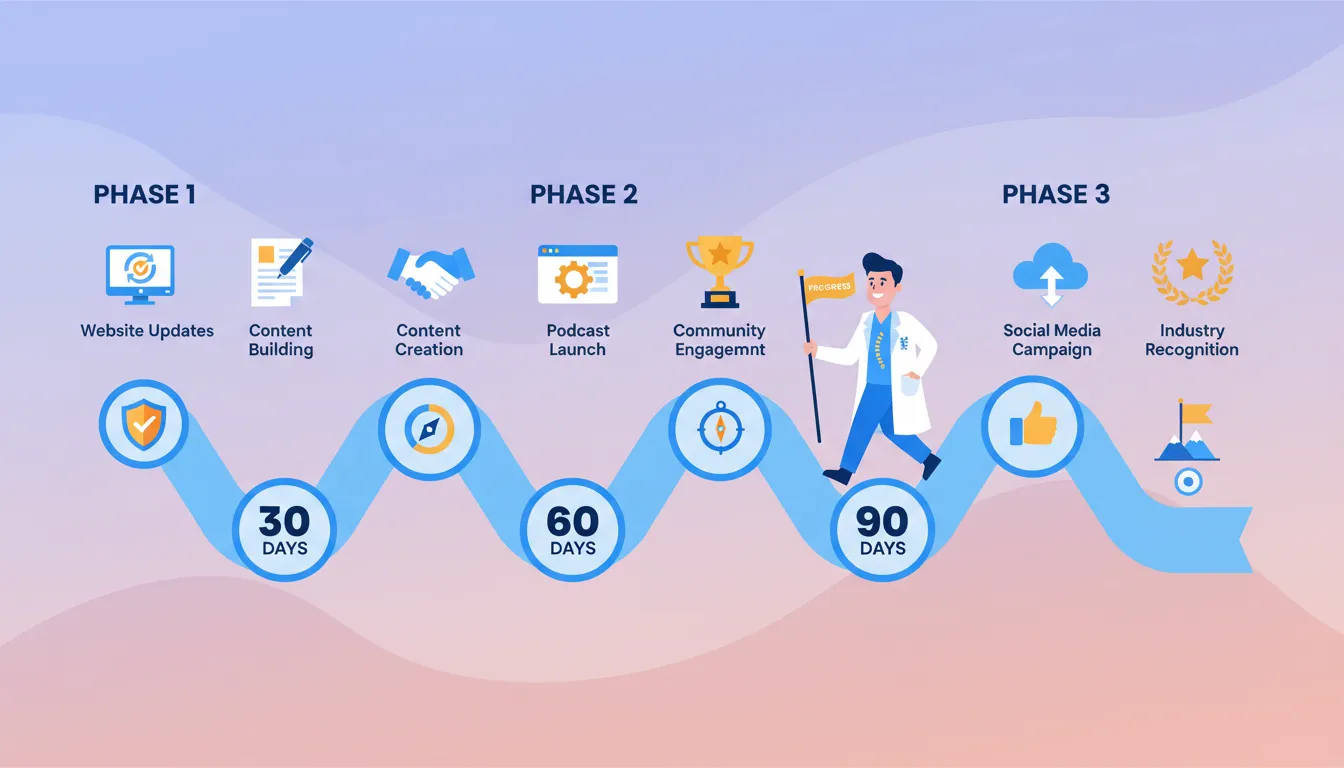
Knowing AEO matters is one thing. Actually implementing it? That's another.
Here's the practical roadmap for transitioning from traditional SEO dependence to AEO visibility.
This connects directly to stopping no-show revenue leaks. Because the best marketing in the world doesn't help if patients don't actually show up for appointments.
Days 1-30: Foundation and Audit
Start by understanding where you currently stand.
- AI visibility audit - Search your practice-related queries in ChatGPT, Perplexity, and Google AI Mode. Are you being cited? Are competitors?
- Entity recognition check - Search your practice name in Google. Do you have a Knowledge Panel? Is the info accurate?
- Schema markup audit - Test your website with Google's Rich Results Test. What's implemented? What's missing?
- Citation consistency review - Check NAP data across top 20 directories. Document inconsistencies.
Action items for month one:
- Fix all NAP inconsistencies - This is foundational, non-negotiable
- Implement basic schema markup - LocalBusiness, MedicalBusiness at minimum
- Claim and optimize Google Business Profile - Complete every field, add posts regularly
Identify top 5 conditions - These become your pillar page priorities
Days 31-60: Content Infrastructure
With foundations set, build the content that gets cited.
- Create first pillar page - Start with your highest-volume condition (usually sciatica or back pain)
- Follow the question-based framework - H1 question, H2 sub-questions, comprehensive answers
- Include FAQ sections with schema - 5-8 questions per pillar page
- Add comparison tables - Treatment options, timelines, what to expect
Simultaneously:
- Optimize existing service pages - Add structured data, improve answer formatting
- Update About page - Emphasize E-E-A-T signals (credentials, experience, expertise)
Create or update Wikidata entry - If you don't exist there, you're invisible to many AI systems
Days 61-90: Authority Building
Content alone isn't enough. Build the external signals AI uses to verify authority.
- Secure citations on authoritative platforms - Industry publications, local news, professional associations
- Encourage and respond to reviews - Review signals impact both local SEO and AI trust
- Build local partnerships - Other healthcare providers, gyms, wellness businesses
- Create shareable research or data - Original insights get cited more than generic content
Track progress:
- Monthly AI visibility checks - Are you appearing in AI responses?
- Citation monitoring - Which content gets cited most frequently?
- Traffic pattern analysis - How is AI traffic different from organic?
Here's something pretty cool: research shows AI-sourced traffic converts at 4x higher rates than traditional organic.
Quality over quantity becomes even more important when the visitors who do arrive are highly qualified.
Ongoing: Maintenance and Expansion
AEO isn't a one-time project. It requires ongoing attention.
- Regular content updates - AI systems favor fresh, current information
- New pillar pages - Expand coverage to additional conditions and services
- Citation building - Continuous effort to earn mentions from authoritative sources
- Competitive monitoring - What are competitors doing that's working?
The practices that commit to AEO infrastructure now will have compounding advantages as AI search continues to grow.
Those who wait will find the gap increasingly difficult to close.
The Cost of Waiting: What Happens If You Don't Adapt
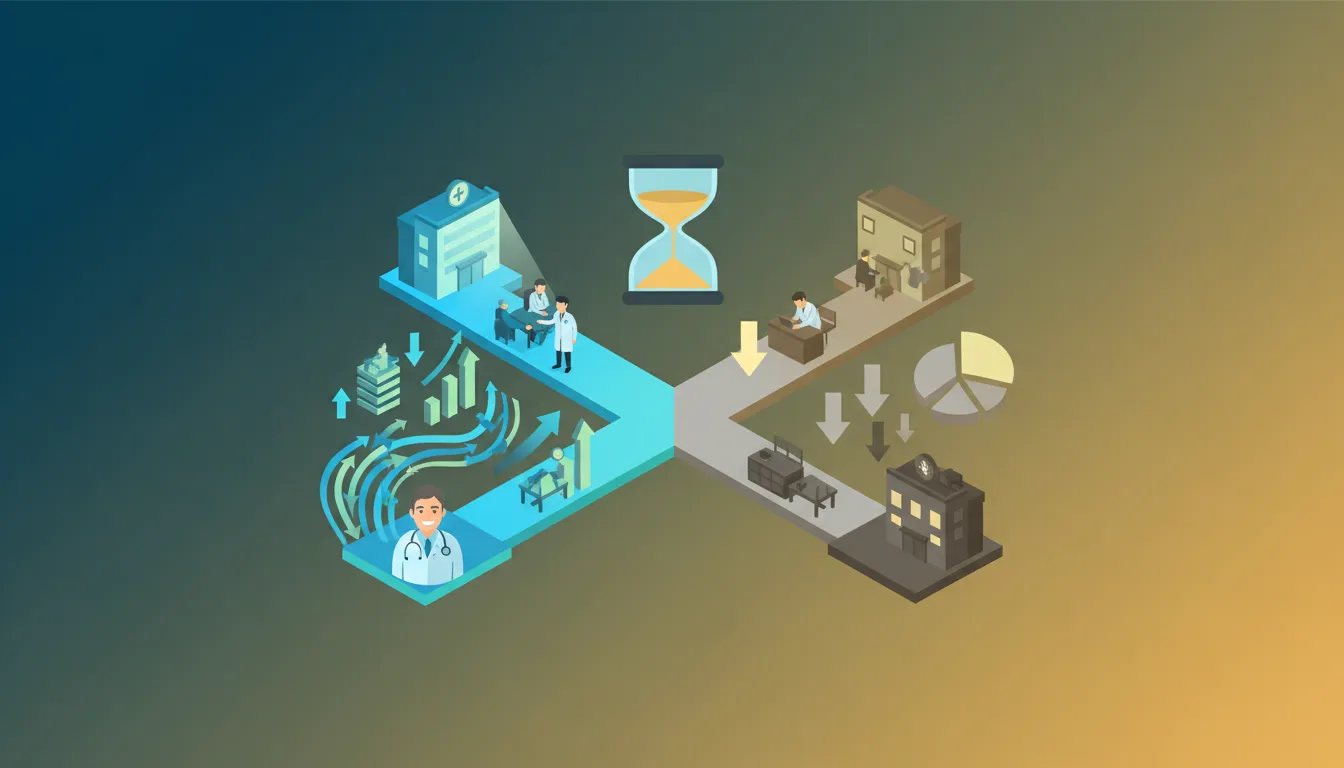
Let's keep it real about what's at stake here.
This isn't a "nice to have" marketing upgrade. The practices that don't adapt to AEO will face structural disadvantages that compound over time.
The Visibility Gap Widens
Every month you delay AEO implementation is a month competitors can claim entity territory.
Early movers are already seeing disproportionate visibility gains. And that gap widens as AI systems learn to trust certain sources over others.
Once an AI system consistently cites a competitor for "sciatica treatment in [your city]," displacing them becomes exponentially harder.
AI systems develop citation patterns. Breaking those patterns requires significant effort.
The Traffic Reality
Consider the math:
- 2024: Traditional SEO drives 70% of your new patient inquiries
- 2025: Zero-click searches reduce that to 50%
- 2026: AI-generated answers capture another 20-30% of patient discovery
If you're not being cited in AI responses, you're fighting for a shrinking piece of a shrinking pie.
The practices appearing in AI answers are capturing demand that used to flow through traditional search.
The Competition Factor
Your competitors are reading articles like this one. Some will act. Some won't.
The ones who act will:
- Appear in AI-generated answers when patients ask about conditions you treat
- Build entity authority that becomes increasingly difficult to replicate
- Capture high-intent patients before those patients even know you exist
The ones who don't will:
- Become invisible to the growing segment of patients who use AI for healthcare decisions
- Fight harder for the declining pool of traditional search clicks
- Wonder why their SEO investment isn't producing the results it used to
This isn't fearmongering. It's the documented trajectory of how AI is reshaping search visibility across every industry.
Frequently Asked Questions
What is the difference between SEO and AEO for chiropractors?
SEO focuses on ranking your website in Google's search results to earn clicks. AEO focuses on getting your practice cited as the answer by AI systems like ChatGPT, Google AI Overviews, and Perplexity.
With SEO, you're competing for position in a list of 10 results.
With AEO, you're competing to be the authoritative source AI trusts and quotes directly to patients.
The fundamental difference? SEO tries to get people to your website. AEO aims to make your content the answer—whether or not they click through.
Both matter in 2026. But AEO is where the growth is happening while traditional SEO returns are declining.
How do I track my practice's citation frequency in AI search?
Start with manual monitoring. Search your practice-related queries in ChatGPT, Perplexity, and Google AI Mode.
Use the questions patients actually ask: "best chiropractor for sciatica in [your city]" or "chiropractic treatment for herniated disc."
Note whether your practice appears in the AI-generated response, and if so, how prominently. Check weekly to spot trends.
For automated tracking, tools like Semrush, BrightEdge, and specialized AI visibility platforms can monitor citations across multiple AI systems. They provide citation share of voice compared to competitors and track changes over time.
Will traditional backlinks still help my rankings in 2026?
Backlinks remain a factor, but their relative importance has declined significantly.
Research shows traditional metrics like domain authority now have only a 0.18 correlation with AI citation probability. That's pretty weak.
What matters more for AI visibility? E-E-A-T signals, content completeness, entity recognition, and structured data implementation.
A practice with fewer backlinks but stronger entity authority and better-structured content will likely outperform a practice with more backlinks but weaker AEO fundamentals.
Don't abandon backlink building entirely. But don't expect it to drive AI visibility the way it drove traditional rankings.
Does Google penalize clinics for using AI-powered SEO content?
Nope. Google doesn't penalize content based on how it was created.
Google penalizes low-quality, unhelpful content regardless of origin. AI-generated content that provides genuine value, demonstrates expertise, and serves patient needs performs just as well as human-written content.
The key is ensuring AI-assisted content demonstrates E-E-A-T, includes accurate medical information, and is reviewed by qualified practitioners before publication.
Generic, thin content will underperform whether written by humans or AI. Comprehensive, authoritative content will succeed regardless of creation method.
How do I get my chiropractic clinic cited in ChatGPT or Perplexity?
Getting cited requires building entity authority across multiple platforms. AI systems cite sources they recognize as established entities with verified expertise.
Start with comprehensive pillar content (2,500+ words) answering specific patient questions. Implement complete schema markup on your website. Ensure consistent NAP data across 100+ directories. Build mentions on Wikipedia, Wikidata, and authoritative health publications.
Research shows brands mentioned on 4+ platforms are 2.8x more likely to appear in ChatGPT responses.
Entity recognition is the entry ticket. Without it, AI systems literally don't know you exist as a citeable source.
How much does a complete AEO infrastructure cost for a clinic?
AEO implementation costs vary based on your current infrastructure and competitive landscape.
Basic optimization (schema markup, content restructuring, citation building) typically ranges from $2,000-5,000 for initial setup.
Ongoing AEO management (content creation, citation monitoring, platform optimization) runs $500-2,000 monthly depending on scope.
For practices starting from zero, expect 3-6 months before seeing significant AI visibility improvements.
The investment pays back quickly when each new patient represents $1,500-3,000 in lifetime value. If AEO infrastructure helps you acquire even 5-10 additional patients annually, the ROI is substantial.
What is Knowledge Graph Optimization for local businesses?
Knowledge Graph Optimization means establishing your practice as a recognized entity in Google's database of 500 billion facts about 5 billion entities.
When AI generates answers, it pulls from this knowledge base. If you're not in it, you're not getting cited.
Implementation involves creating or optimizing Wikidata entries, ensuring consistent business information across all platforms, implementing comprehensive schema markup, and building authoritative mentions.
The goal? Helping AI systems understand your practice as a legitimate, trusted entity in your specialty and location.
Is my current rented website invisible to AI search?
Probably yes.
Rented websites from template providers often lack proper schema markup, have generic content that doesn't establish entity authority, and use structures that AI systems struggle to parse effectively.
If you're paying monthly for a cookie-cutter site you don't own? Your practice is likely missing from AI-generated answers entirely.
These platforms rarely implement the technical elements AI systems need to recognize and cite your practice as an authority.
An owned website with AEO infrastructure gives you control over schema markup, content structure, and technical optimization—the elements that determine whether AI sees you as citeable or invisible.
Conclusion: The Time to Act is Now
The shift from traditional SEO to Answer Engine Optimization isn't a future prediction. It's happening right now.
Nearly 60% of searches already end without clicks. AI Overviews appear in 89% of healthcare treatment searches. And practices that aren't optimizing for AI citation are becoming invisible to a growing majority of potential patients.
The good news? Most chiropractors haven't caught on yet.
The window for early-mover advantage is still open. Practices that build AEO infrastructure now will have compounding advantages as AI search continues to dominate patient discovery.
The practices that thrive in 2026 and beyond won't be the ones with the most backlinks or the best keyword density.
They'll be the ones AI systems recognize as authoritative, trustworthy sources worth citing when patients ask questions about the conditions you treat.
Look, I get it—this AEO stuff sounds overwhelming when you're already stretched thin running your practice.
Traditional SEO was complicated enough. Now there's schema markup, entity authority, Knowledge Graph optimization... it's a lot.
If you're thinking "this all makes sense, but I don't have time to figure this out on top of everything else," you're not alone. Most successful chiropractors we work with felt the same way before they realized their website was quietly costing them 15-20 qualified patient leads every single month.
That's why we created our Free Website Conversion Analysis. It's not a sales pitch—it's a genuine walkthrough of the 3 biggest problems killing your bookings, delivered personally via Loom video within 24 hours.
We'll show you exactly:
- Why visitors leave without booking
- What's broken on mobile devices (where most searches happen)
- Missing trust signals costing you patients
- Where you rank vs. local competitors
- Simple fixes that drive more calls this month
You'll also get an instant case study while you wait, showing real examples of how other chiropractors fixed these exact problems.
Get your free analysis here — no credit card, no obligation, just actionable insights you can use whether you work with us or not.
Because every day you wait to implement AEO infrastructure is another day competitors are building the authority that makes them the answer while you're still chasing rankings that don't convert.

Gerek Allen
Co-Owner iTech Valet
Entrepreneur, patriot, CrossFit junkie, IPA enthusiast, loves to travel to tropical destinations, and knows way too many movie quotes.


About iTech Valet
iTech Valet specializes in web design and content marketing for online entrepreneurs who want to share their expertise.
Services Include:
- Web Design
- Graphic Design
- Sales Copy
- Funnel Building
- Authority Sites
- Membership Sites
- Course Creation
- Email Systems
- Content Marketing
- Competitive Analysis
- Tech Integrations
- Strategic Planning
NEED MORE CLIENTS?
Free conversion-focused analysis uncovers the 3 biggest problems killing your bookings — we'll walk you through your results personally
621 Enterprises, Inc. | Copyright 2022 | All rights reserved