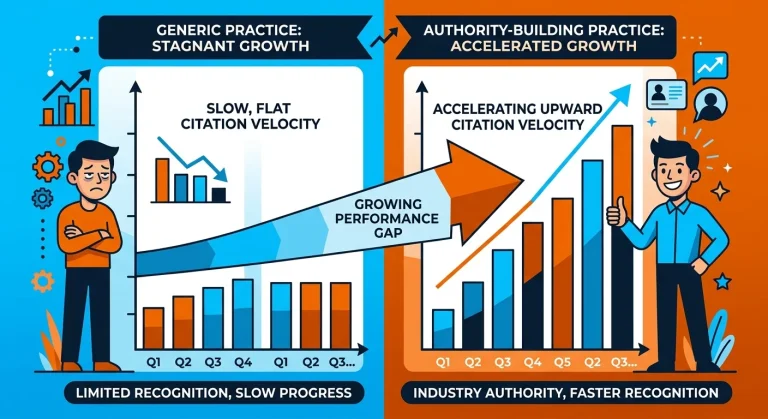
AEO Content Strategy
How high-density, five-layer intent content gets cited by answer engines as the final authority on a topic.
57 Articles

How AI Authority Content Deepens Patient Trust Instead of Destroying It
June 12, 2026 AI authority content deepens patient trust when it’s built on verified, structured information. It destroys trust when it isn’t. The difference has nothing to do with whether AI was involved in creating the content. The difference is whether the content… Read More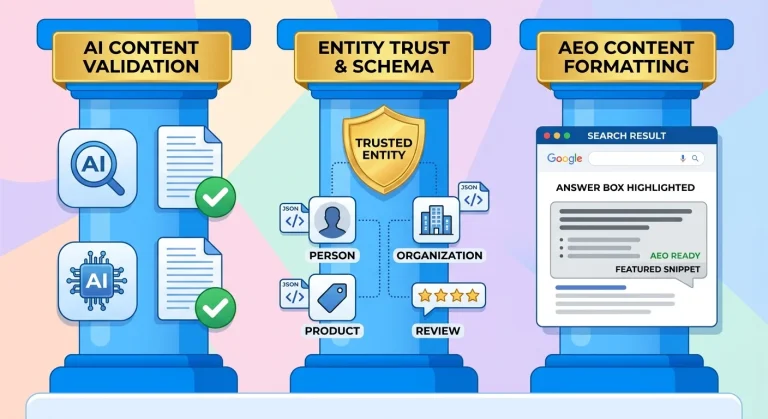
From Keywords to Clusters: How We Execute AEO Content
June 8, 2026 AEO content clusters organize your website around topic areas instead of individual keywords. A cluster consists of one authoritative pillar page that covers a broad topic, linked to multiple supporting articles that dive deep into specific subtopics. All pages interlink.… Read More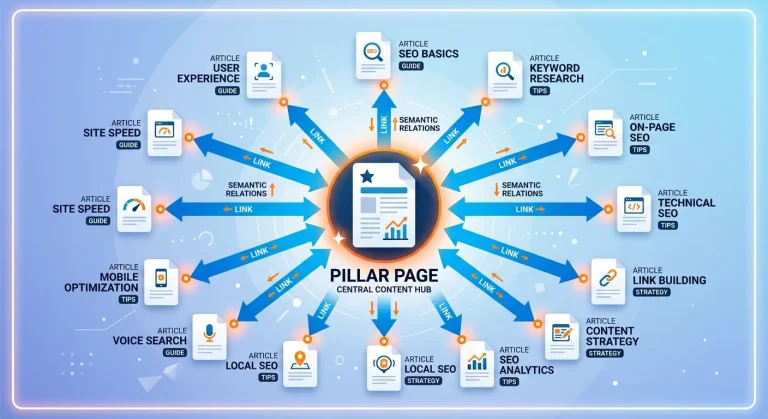
Keywords Are Dead: Why AEO Demands Answer Clusters Now
April 27, 2026 Patients stopped Googling. Not slowly. Not gradually. ChatGPT hit 100 million users in two months – faster than any technology in history. And what those users do is fundamentally different from what they used to do on Google. Read More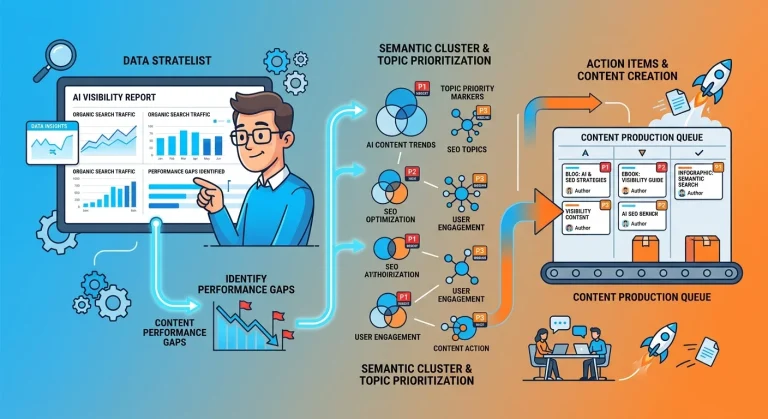
Measuring Answer Dominance: How to Track Your AEO Performance
April 27, 2026 Most chiropractors think they’re tracking performance. They’re not. They’re looking at traffic dashboards built for a game that ended six months ago. Tracking AEO performance means systematically querying multiple AI engines with specific, intent-driven prompts to discover where your business… Read More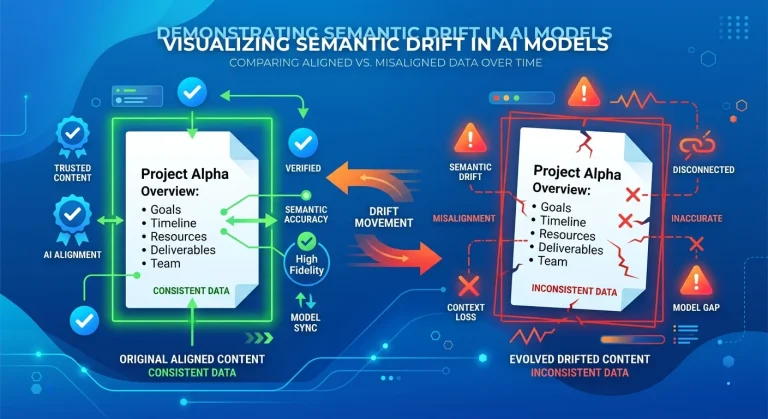
Why Your AI Authority Content Is Decaying (And How Quarterly Audits Fix It)
April 27, 2026 Your authority content is decaying right now. Not because you did something wrong – because the AI models that used to cite you have moved past what your content reflects. This creates “semantic drift” – where once-authoritative content no longer… Read More
The Authority Sibling Rule: Why AI Ignores Standalone Blog Posts
April 27, 2026 Ten interconnected articles prove you’re an authority. One proves you can write. Read More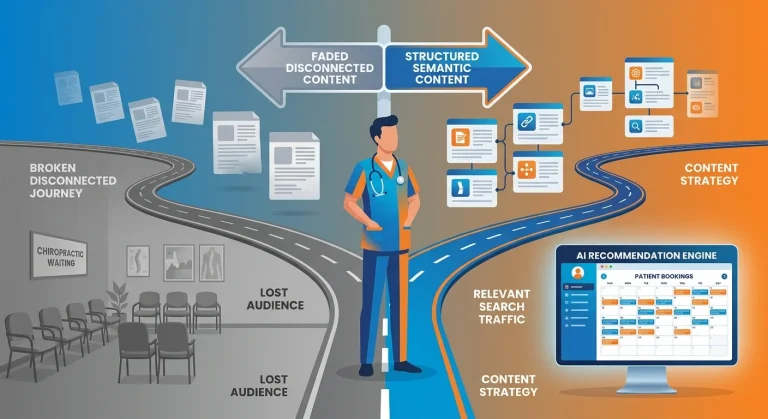
Semantic Anchoring: How AI Decides Which Chiropractor to Recommend
April 27, 2026 When a patient asks ChatGPT, “Who’s the best chiropractor for sciatica relief near me?” – the AI doesn’t scan for the phrase “best chiropractor for sciatica” fourteen times on your homepage. It analyzes the depth and clarity of the connection… Read More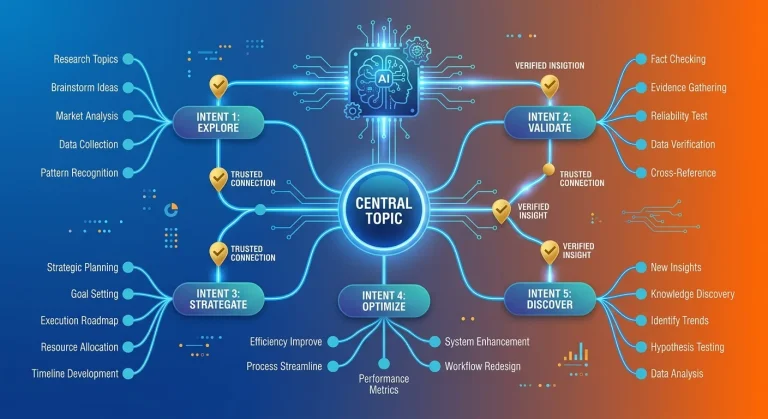
The Five-Layer Intent Model: How We Write AI-Recommended Articles
April 27, 2026 The Five-Layer Intent model is a framework for creating AEO content that satisfies an AI engine’s need for comprehensive authority. It requires structuring an article to address not only the user’s direct question but also their indirect goals, latent needs,… Read More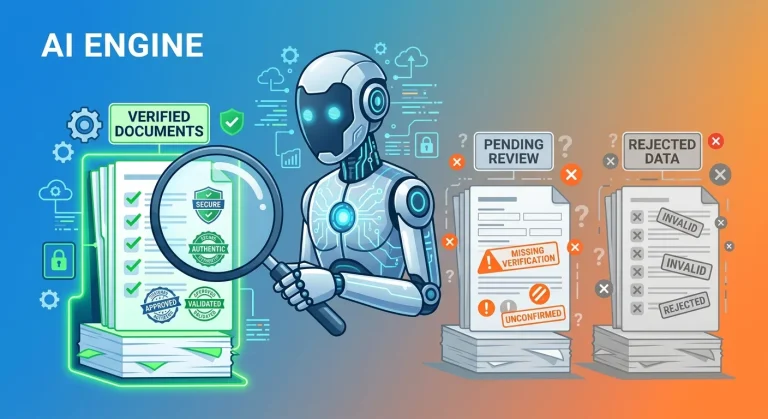
Why Generic AI Prompts Make Your Chiropractic Content Invisible
April 27, 2026 The problem isn’t that AI wrote the content. The problem is that generic prompts optimize for human readability, not machine trust. They produce content that looks fine to a person scrolling your website but is structurally invisible to the systems… Read More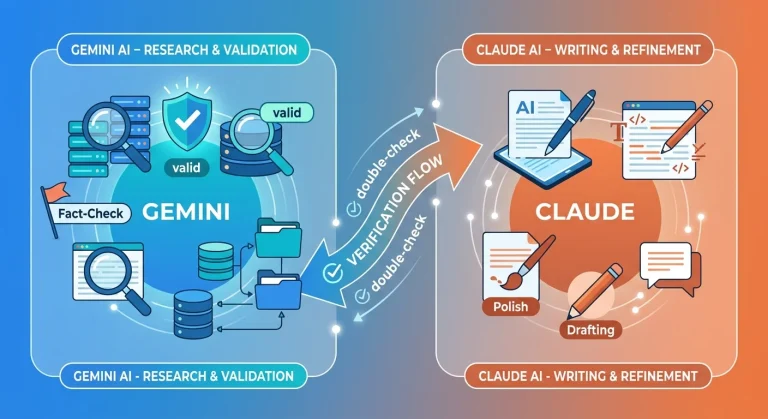
The Two-AI Validation System: How We Engineer Fact-Checked Chiropractic Content
April 27, 2026 iTech Valet’s Two-AI Validation System is a proprietary content methodology designed to eliminate AI hallucinations and ensure factual accuracy. It uses Google’s Gemini for initial research and final validation of all sources and claims, paired with Anthropic’s Claude for drafting… Read More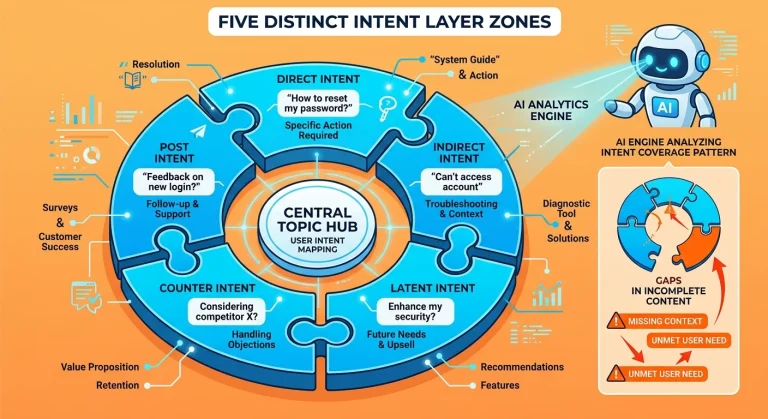
Word Count Doesn’t Matter to AI. This Does.
April 27, 2026 Word count is the wrong metric for AI because answer engines don’t measure value by length – they measure it by authority signals like semantic density, entity trust, and comprehensive intent coverage. While longer content often correlates with depth, AI… Read MoreNot sure where to start? The fastest way to see where your business stands is a free diagnostic. We ask ChatGPT, Gemini, Perplexity, Grok, and Claude about your practice — and send you exactly what AI says when patients ask for help.