
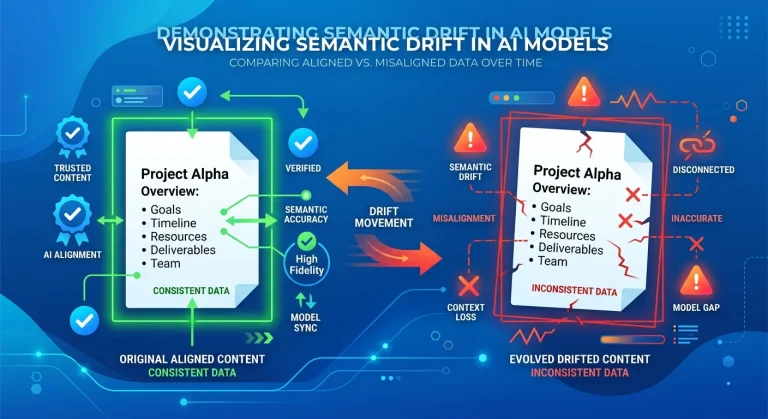
AEO Content Strategy
How high-density, five-layer intent content gets cited by answer engines as the final authority on a topic.
88 Articles

The Authority Sibling Rule: Why AI Ignores Standalone Blog Posts
April 27, 2026 Ten interconnected articles prove you’re an authority. One proves you can write. Read More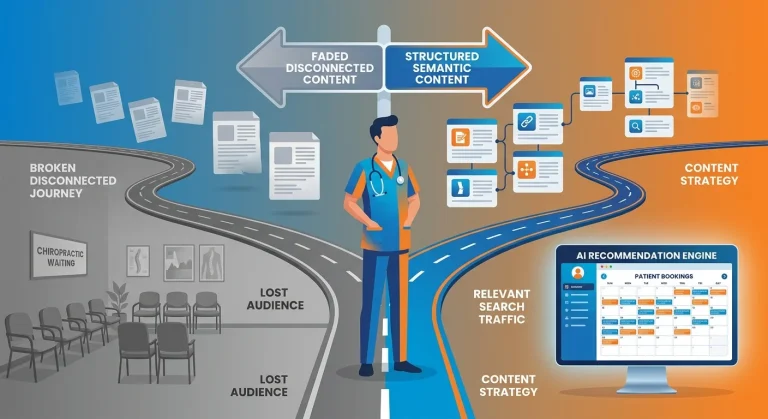
Semantic Anchoring: How AI Decides Which Chiropractor to Recommend
April 27, 2026 When a patient asks ChatGPT, “Who’s the best chiropractor for sciatica relief near me?” – the AI doesn’t scan for the phrase “best chiropractor for sciatica” fourteen times on your homepage. It analyzes the depth and clarity of the connection… Read More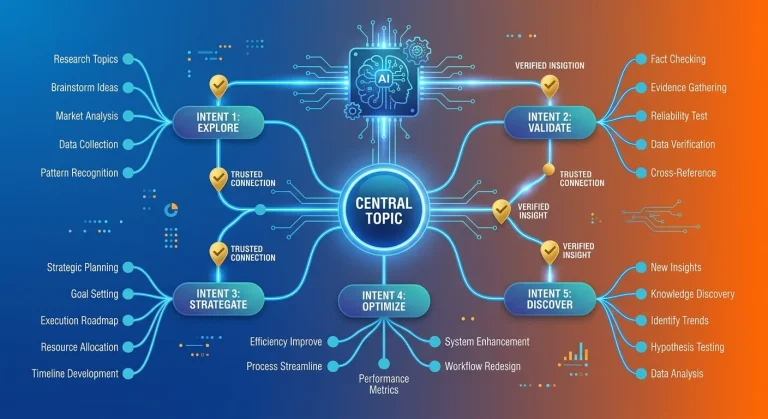
The Five-Layer Intent Model: How We Write AI-Recommended Articles
April 27, 2026 The Five-Layer Intent model is a framework for creating AEO content that satisfies an AI engine’s need for comprehensive authority. It requires structuring an article to address not only the user’s direct question but also their indirect goals, latent needs,… Read More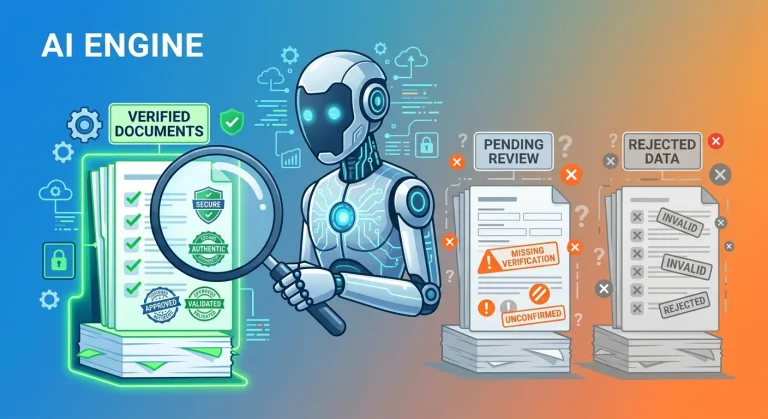
Why Generic AI Prompts Make Your Chiropractic Content Invisible
April 27, 2026 The problem isn’t that AI wrote the content. The problem is that generic prompts optimize for human readability, not machine trust. They produce content that looks fine to a person scrolling your website but is structurally invisible to the systems… Read More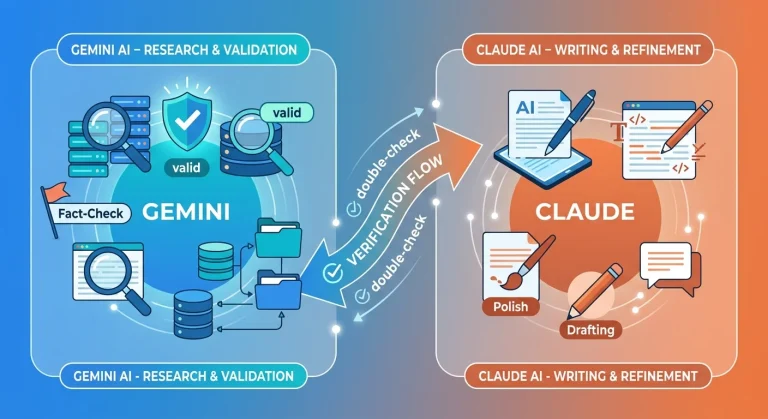
The Two-AI Validation System: How We Engineer Fact-Checked Chiropractic Content
April 27, 2026 iTech Valet’s Two-AI Validation System is a proprietary content methodology designed to eliminate AI hallucinations and ensure factual accuracy. It uses Google’s Gemini for initial research and final validation of all sources and claims, paired with Anthropic’s Claude for drafting… Read More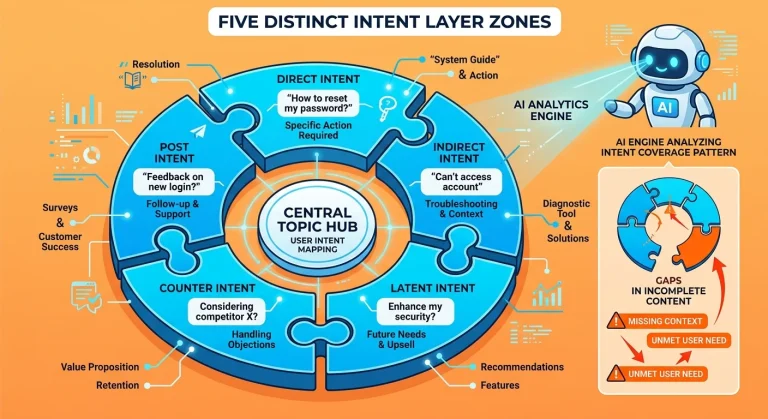
Word Count Doesn’t Matter to AI. This Does.
April 27, 2026 Word count is the wrong metric for AI because answer engines don’t measure value by length – they measure it by authority signals like semantic density, entity trust, and comprehensive intent coverage. While longer content often correlates with depth, AI… Read More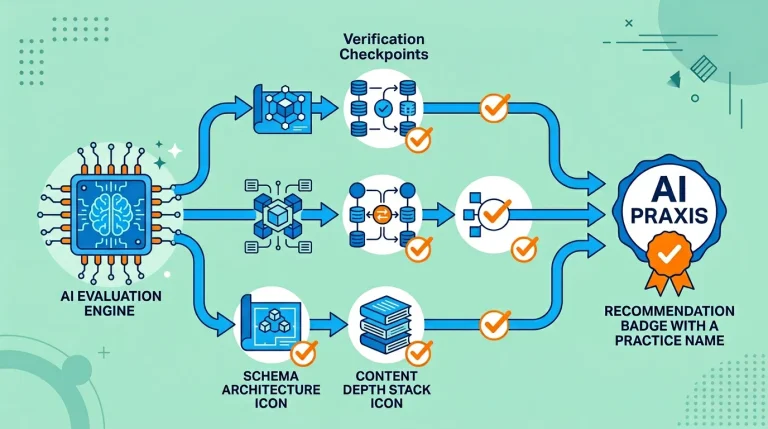
Zero-Click Search: Why Chiropractors Must Win the AI Answer to Exist
April 7, 2026 Zero-click search is what happens when a patient asks an AI engine a question and gets a complete answer – including a specific practice name – without ever clicking to a website. In 2026, this is how a growing segment… Read More
The 5 Layers of Patient Intent: How AI Decides Which Chiropractor to Recommend
April 7, 2026 AI engines like ChatGPT, Gemini, and Perplexity decide which chiropractor to recommend by evaluating five distinct layers of patient intent: Technical Entity Verification, Proximity and Availability, Clinical Specialization, Consensus Authority, and Conversational Relevance. Read More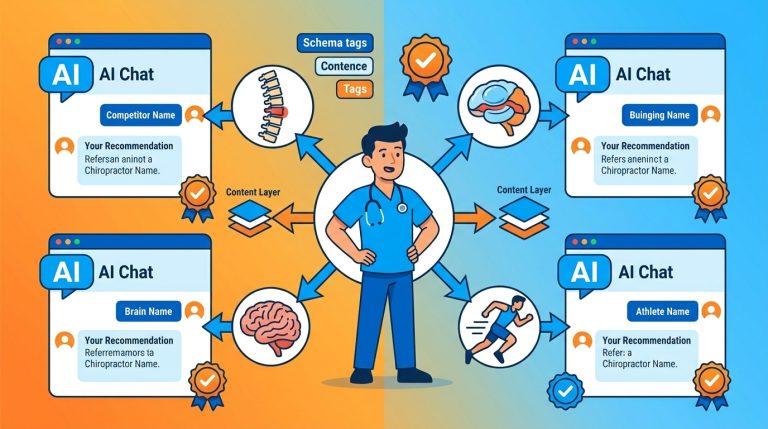
From Local Doc to National Authority: Scaling Your Practice Beyond the Zip Code
April 7, 2026 To scale a chiropractic practice beyond a single zip code, you need to stop competing for location and start owning clinical conditions. Read More
ChiroMatrix vs. AI Authority Engine: The High Cost of Renting Your Reputation
April 7, 2026 The core difference between ChiroMatrix and an AI Authority Engine is the difference between renting a commodity presence and owning a permanent digital asset. ChiroMatrix provides template-based websites that function as digital brochures – built for human visitors, structurally invisible… Read More
Dominating the Condition: How to Become the AI-Recommended Answer for Sciatica and Disc Herniation
April 7, 2026 To become the AI-recommended answer for sciatica and disc herniation, your practice needs Condition-Based Authority – a machine-readable infrastructure that tells AI engines exactly what conditions you treat, how you treat them, and why you’re the most verified authority in… Read MoreNot sure where to start? The fastest way to see where your business stands is a free diagnostic. We ask ChatGPT, Gemini, Perplexity, Grok, and Claude about your practice — and send you exactly what AI says when patients ask for help.